
What to do in Cusco | Peru
A complete city guide to Cusco
Planning a visit to Peru mostly means heading to the unmissable Machu Picchu. However, due to the high altitude of the Andes Mountains, visitors must take it easy as they arrive to acclimatize correctly. For this reason, it is inevitable to have to spend a few nights in Cusco, before getting the adventure mode on.
But don’t worry, you won’t get bored. The former capital of the Incan Empire is rich in history with enough monuments and ruins to keep you busy before and after your tours and hikes in the region.
Here is a guide to all the great things to do in Cusco when you’re not hiking.
Cusco, the unmissable stop in Peru
The n°1 bucket list destination in Peru being only a few hours from Cusco can assure you that it has a well-equipped infrastructure to deal with all types of visitors. Whether you are luxury travellers, budget backpackers, 2-week holidayers or taking a long-term break you will find what you need.
In fact, over the past several years, the city has exploded. The population has doubled with locals from the entire country moving in to find a salary in the growing tourism industry. The expansion of tourism in Peru, and mostly in Cusco has increased with Machu Picchu being named as one of the “Contemporary Seven Wonders of the World” in 2007. The “lost city of the Incas” attracts a colossal number of 2 million visitors every year alone!
But there is more to do in the region than just Machu Picchu. Besides the Inca Trail or the Salkantay Trek to get to the citadel, there are many other places such as Rainbow Mountain and the Sacred Valley to visit while in town.
What to do in Cusco other than hiking?
1. Visit the Plaza de Armas
While the hikes and ruins outside of Cusco are the main attractions, there are tonnes of sites rich in history to keep entertained within walking distance of your accommodation. Step outside and take a walk down any street and you will find cobblestone alleys and cute holes-in-the-wall shops and restaurants.
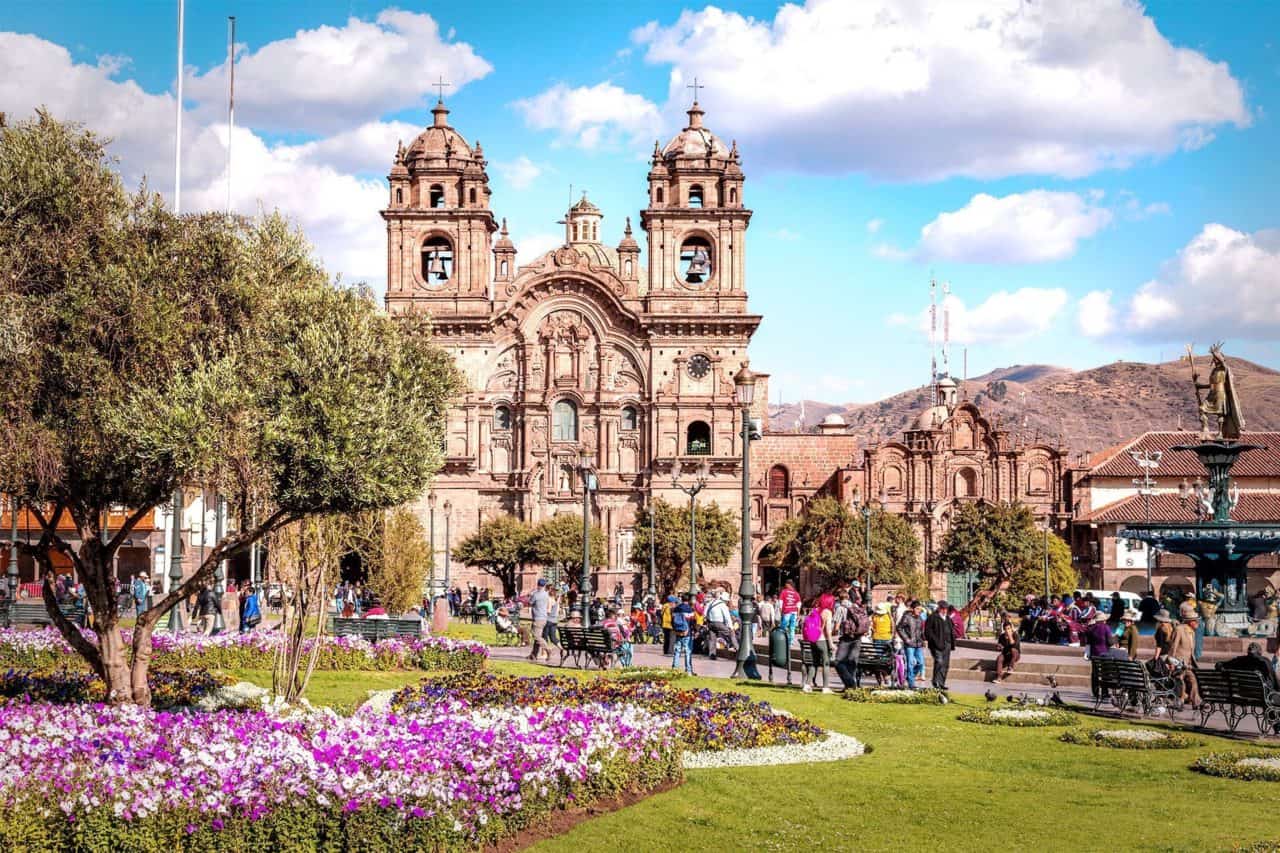
The centre of Cusco, or the old town, is compact and can easily be taken in one day. The place to start any visit is the main square, Plaza de Armas. Unfortunately, most of the Incan temples were destroyed by the Spanish rulers who knocked them down and built churches on top.
On the centre of the Plaza de Armas is a statue of the Incan ruler Pachacuti, who expanded the Incan Empire to 4 directions. Don’t miss it. The Plaza de Armas can be pretty busy, but it is a photogenic spot where you can sit and watch the world whiz past.
2. Basilica of Our Lady of the Assumption
Right in front of the main square is the city’s Cathedral, the Basilica of Our Lady of the Assumption. Built in 1559 over the foundations of the Incan temple Kiswarkancha, the Cathedral is made of stones coming from Sacsayhuamán, the main Incan citadel located just north of Cusco.

3. Iglesia de la Compania de Jesus
To the right, there is another church, the Iglesia de la Compania de Jesus, which was made by the Jesuits who, with an Andean baroque facade rising with its 2 towers, aimed to outdo the supremacy of the Catholic Cathedral.

4. Admire the Temple of the Sun
A few blocks from the main square is the Incan Temple of the Sun, also called Coricancha. The outside of the temple was originally studded with gold plates, but these were looted during the Spanish conquest. It is the church of Santo Domingo which now stands in place of the Coricancha temple, which was dedicated to both Viracocha, the creator god and Inti, the god of the Sun.
Over the years, major earthquakes have critically damaged the church while the Inca walls which remained untouched by the colonists, stayed unharmed. This incredibly fine work of stone masonry is a testimony of the strong Incan architectural skills and can still be witnessed these days.
As you walk by the building, the clash between the old walls and the baroque style of the church is surprising but summarises the history of the region.
You can visit the Santo Domingo monastery. Entry is only S/15 and it has a nice little park square and park to relax. You can visit the place on your own, but to learn more about its fascinating history, I would recommend to join a walking tour of the city that includes the monastery and temple.
Tip: Behind the temple is a great local park which, on a sunny day, is used by locals and tourists to relax with food or a book.

5. Organise your day tours
If you haven’t booked any tour in advance before arriving in Peru, don’t worry, there are truly hundreds of “agencies” in town to book a tour with. The only issue is finding a good agency. And as we didn’t care about comfort, we opted for one which seemed serious and offered a good price.
In Cusco, it seems like every single shop sells tours. There are plenty of legit agencies that sell and run their own tours, but the cheapest tours are sold by resellers which can be inside souvenir shops, a hairdresser or a grocery store.
The best way to find an agency while in Cusco would be to get referrals from people in your hostel who have just done a trek or check the highest rated on TripAdvisor if you don’t mind your budget.
Tip: double and triple-check all of your tour details. Some agencies will group packages like the Salkantay Trek, Machu Picchu, transport and the Rainbow Mountain together. Confirm these dates, write them down and get them to confirm. Ask the agency to write all the things they promise you, from the free T-shirt to the park entrance tickets and the transport times…

If you are under a time constraint and don’t have the time or the confidence to find a tour directly in Cusco, I would recommend booking online. While you won’t be able to negotiate the prices, booking your day trips from Cusco online has the advantage of showcasing hundreds of reviews from fellow visitors which ensures you won’t be disappointed.
Machu Picchu
A visit to Cusco or even Peru, isn’t complete without a trip to Machu Picchu! While many visitors take hiking trips to the citadel, exploring this iconic Incan site within a day is still possible. This popular and well-reviewed tour includes a Panoramic train ride, a guided tour of Machu Picchu, a bilingual guide and the entrance to Machu Picchu.
> For more details on how to get to Machu Picchu, check out our dedicated article.
Rainbow Mountain
Taking a guided tour to Rainbow Mountain is necessary because getting there by yourself is tricky and just not worth it. The guided tours are inexpensive due to the colourful mountain’s popularity. Although, make sure to visit the Rainbow Mountains last so you are well-acclimatized to the altitude. This tour is just a no-brainer, with more than 1k good reviews and a price as low as €30 per person.
> Read our article about all the things you need to know before visiting the Rainbow Mountains.
Sacred Valley
The is one of the best places near Cusco. Located at a much lower altitude, it is a great spot to start your explorations and get used to the altitude. You can easily spend a few days going around the Sacred Valley, whether it is hiking around, or visiting Inca ruins or small countryside villages.
There are lots of different tours out there to visit the Sacred Valley. You can either choose to go village hopping to Piscac, Ollantaytambo, etc., go on a Quad/ATV trip or even go Ziplining and horseback riding.
> I would recommend reading our Sacred Valley guide if you are planning a visit as well as our Hiking itinerary around the Sacred Valley if you are looking for something to do on your own.

6. Walk around the San Blas district
The San Blas district in Cusco, often hailed as the artistic heart of the city, presents a charming blend of narrow cobblestone streets, quaint white-washed houses, and an array of workshops and studios teeming with creativity.
Known affectionately as the “Barrio de los Artesanos” (Neighborhood of the Artisans), San Blas boasts a rich heritage of craftsmanship and artistry, with its roots deeply embedded in the pre-Columbian era.
This vibrant quarter not only captivates visitors with its stunning panoramic views of Cusco but also invites them to explore its unique boutiques, galleries, and artisanal markets offering everything from traditional textiles to contemporary artworks.
The centrepiece of San Blas is its charming plaza, dominated by the San Blas Church, which houses a magnificent pulpit intricately carved from a single block of wood, a masterpiece of colonial art. With its lively atmosphere, steeped in culture and history, San Blas offers an unforgettable glimpse into the soul of Cusco. Do not miss it!
Our recommendation would be to walk around San Blas and get lost. There are lots of small streets with hidden gems around. Here a a few you can look for: Sapantiana Aqueduct, Siete borreguitos, Huaca de San Blas, Museo de plantas sagradas Natural factory, Piedra de los 12 ángulos (see below).


7. Find the Hatunrumiyoc Street
The thick walls of the current Religious Art Museum, once the Inca Roca Palace, have become the main tourist point of the San Blas area, for a couple of strange reasons. Let’s not deny it, thinking of how the walls were made is mind-boggling. These huge pieces of polygonal stone, perfectly carved and fitting the holes of the stone next to it, must have taken a huge amount of work, skill, time and organisation.
Take a stroll around the street Hatunrumiyoc, which means the “big stone” and you will see one with 12 angles. It may sound strange but this wall is in fairness probably one of the most impressive structures of ancient Cusco. Now, with a bit of imagination continue your walk and try to find the shapes of a snake, a llama and a guinea pig built into the walls. Either the Incans were fantastic planners or historians and tour guides have creative minds because it is not that obvious!
Tip: The San Blas area is a lively neighbourhood in Cusco where you can find great restaurants and cafes as well as fancy boutique hotels and hostels.

8. Pet Llama and Alpacas
Seeing one of the Peruvian cousins of the desert camel is what most visitors expect while in the Andes. For sure they can be spotted near villages along the trails of hikes or being shepherded around by farmers, but it may be hard to approach them and even harder to get a photo of one.
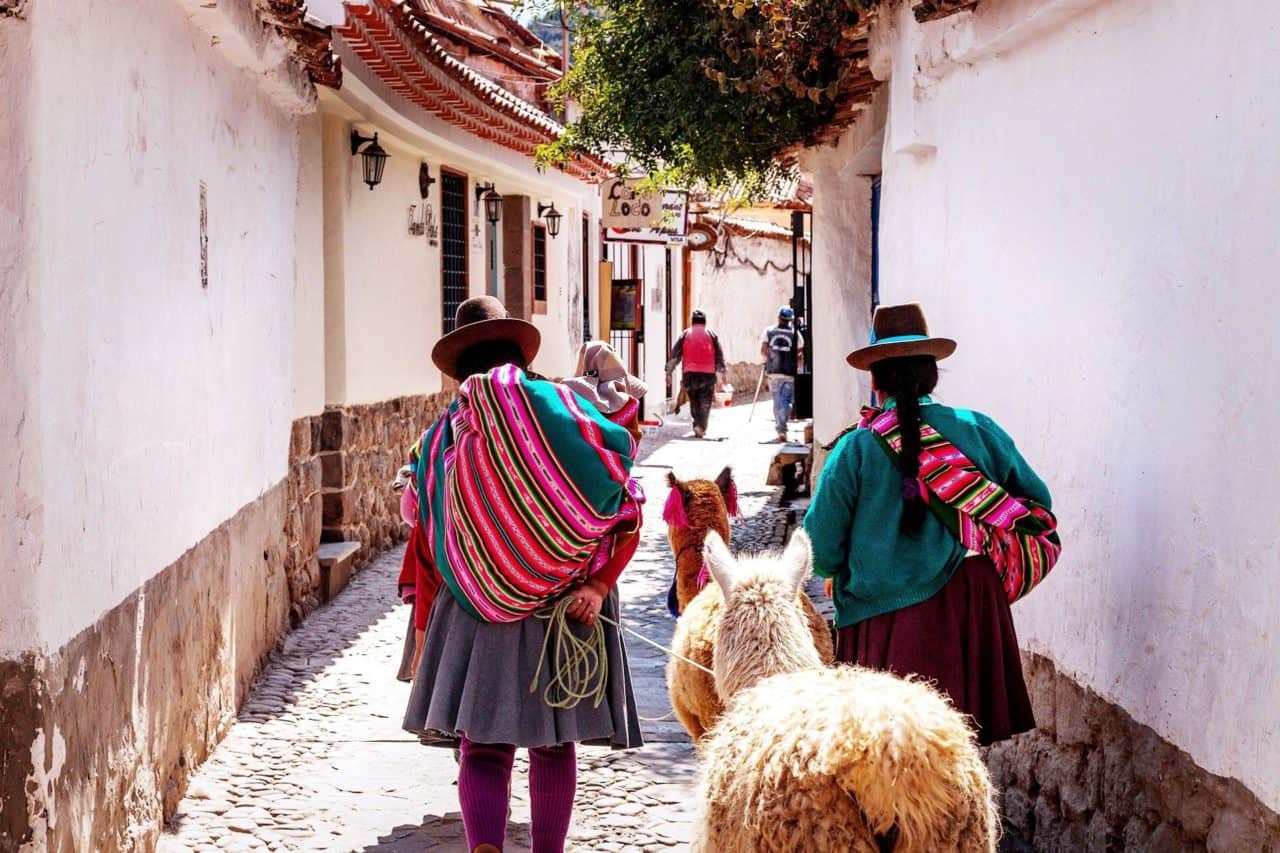
To solve that issue you can visit the artisanal market on Calle Intikijllu, right off of Plaza de Armas, and feed, pet and take a photo with one of these cuties. You will be asked to leave a tip, whatever you feel is right.
Tip: Llamas and Alpacas are domesticated animals, while Vicuñas and Guanacos are wild. These four animals are part of the same family species as the African camel.

9. Visit Cusco Museums
To anyone interested in History and art, visiting some of Cusco’s museums is a must-do. The city is home to an impressive collection of museums, each offering a unique window into the pre-Columbian world, Andean culture, the complexities of the Inca civilization, and the impact of Spanish conquest and colonialism.
Among the top must-see museums are:
- Qoricancha Site Museum showcasing the fusion of Incan and Spanish architecture and art; (Incl. in Boleto – website)
- Museo Inka, which houses an extensive collection of artefacts and mummies; ( S/20 – website)
- Casa Concha Museum, where you can explore the world of Machu Picchu through hundreds of artefacts returned from Yale University; (S/20 – website)
- Regional Historical Museum, which provides a comprehensive history of Cusco from prehistoric times to the present. (Incl. in Boleto)
To gain access to some of these cultural treasures, you can purchase the “Boleto Turistico,” a ticket that offers entry to not only several of these museums but also other historic sites around Cusco. If the museum you want to enter isn’t part of the Boleto Turistico, you will be able to purchase a ticket at the site.
Note that even if you only want to visit one site included in the boleto turistico during your stay, you will have to buy the tourist ticket anyway. Circuit #2 allows you to visit the 6 main museums and historical monuments of Cusco.
It includes Qoricancha Site Museum – Regional Historical Museum – Museum of Contemporary Art – Monument to the Inca Pachacutec – Museum of the Popular arts – Native Art Center Qosqo – Archeological site of Tipon and Pikilacta.
RELATED | Why You Need Cusco’s Boleto Turistico
10. Take in a View of the City
You can find a few trails in the hills behind the San Blas neighbourhood. There are several miradors that you can go to watch the sunset over Cusco. From here you will see how the city expanded over the years.
Mirador San Blas
Perched above the artistic San Blas district, Mirador San Blas offers breathtaking views of Cusco’s terracotta rooftops. It is a short walk from the San Blas square – Map
Cristo Blanco
One of the most popular viewpoints in Cusco is from the Cristo Blanco statue. This statue of Jesus is located about a 30-minute walk outside of town en route to the Sacsayhuamán ruins. It is also easily accessible by taxi if you don’t feel like walking – Map
Saqsaywaman
This impressive archaeological site showcases the architectural prowess of the Inca civilization with its colossal stone walls and terraces. Located just north of Cusco’s main square, it can be reached by a short taxi ride or a more adventurous uphill walk. the views of the city from the site are just amazing! – Map
Tip: Walking up even the smallest hill in Cusco requires a lot of energy. To take it easy at first, think about hopping in a taxi for a few soles and maybe walk back down.

11. visit an Inka ruin near Cusco
There are a lot of Inka ruins in the hill site surrounding Cusco. The Most popular is Saqsaywaman which I will detail below, but there are several more that are worth a visit.
Walking up to nearby ruins is a great way to acclimatize to the altitude in your first few days in Cusco. Here is a list of some Inka ruins near Cusco you might want to check out:
Rumiwasi: Known as the “House of Stone,” Rumiwasi is a lesser-known ruin that boasts intriguing stone constructions and offers a unique glimpse into Incan residential architecture. It is best to take a quick taxi ride there.
Templo de la Luna: The Temple of the Moon features natural caves and carved rock altars that were used for Incan ceremonies. It is short hike (1km) from the Q’enqo ruins. Another way to visit the Templo de la una and a couple of other sites nearby like Zona X, and Chuspiyoc is to join this horseback riding tour that will take you on a 3-hour trip in the countryside.
Complejo Arqueológico Q’enqo: This fascinating archaeological complex includes a series of ceremonial carvings, tunnels, and altars carved directly into the bedrock, believed to have been used for rituals and sacrifices. Situated a short distance from the San Blas district, Q’enqo can be reached by a brief taxi ride or a hike.
Puka Pukara: Often referred to as the “Red Fort” due to its reddish hue at sunset, Puka Pukara served as a military and administrative center. Located on the road to the Sacred Valley, it is best accessible by taxi.
Tambomachay: Known as the “Bath of the Inca,” Tambomachay is an archaeological site famed for its intricate water channels and ceremonial fountains, showcasing the Incas’ advanced hydraulic engineering. Situated near Puka Pukara, it can be reached by taxi or on foot.
Kallachaka: Less known among Cusco’s archaeological sites, Kallachaka (also known as Callachaca) offers a quiet exploration of Inca terraces and structures that once played a crucial role in agriculture and local administration. This site is on the Chuspiyoc Hike which is a 20km hike from/to Cusco (Alltrails map). Alternatively, you can take a taxi to visit Kallachaka, and other sites like the Temple of the moon, Qapaq Ñam or Inkilltambo, but fun and unique way is also to take a horseback riding tour like this one.
12. Shop souvenirs at the artisanal markets
Although there are plenty of souvenir shops in town offering both high and low-quality gifts, head slightly out-of-town towards the main bus station, and stop at the city’s indoor artisanal market, Llancaqmaki.
Here you can pick up all of your souvenirs at a much more reasonable price than in town or the rest of the country. Just keep in mind that haggling is necessary as the salespeople will always go high for gringos! Though, as much fun as it can be to negotiate a good price, always pick a price that seems fair to you and them.

While trekking in Patagonia we met two travellers with pretty awesome warm jumpers. They told us they were alpaca wool and they had bought them in Peru. For the next 6 months, we were waiting to buy these jumpers!
Unfortunately, the closer we got to Peru, the more we noticed how many travellers were wearing these jumpers. Bolivians call them “Gringo Jumpers“. We have found these jumpers in Bolivia, Chile and Peru but the best price we have seen was at this artisanal market. We bought 2 for 60 soles (€7.80 each). To this day, I still wear mine at least once a week.

13. Eat local & taste Peruvian Coffee
As we mentioned, Cusco caters to all budgets which means you will find restaurants offering everything from multi-course fine-dining meals to a cheap menu del dia. For us, being on a budget means sticking to the hole-in-the-wall restaurants and eating at the market.
To grab a delicious, quick and cheap meal, head to San Pedro Market. Here you will be able to buy all of your groceries, fruit juices or soup and a main dish for only a couple of soles. We ate lunch here most days. Just be warned, if you have a sensitive stomach it is best to watch what you eat.
Tip: For coffee, we managed to track down the closest thing to a speciality coffee shop in Cusco. D’wasi roast their beans in their store, which are sourced directly from the farms below Machu Picchu, near Santa Theresa.

14. Check out the local’s traditional outfits
All around Cusco you will find locals dressed up in traditional outfits, offering you to take a picture with or of them. A few will sing you an Inca song while others may let you pet their Llama. This is a source of income for these locals who are usually older. They are not begging. They just want to be useful to the community and share their culture with tourists.
Tip: Drop a coin to thank them for their time.
15. Keep your cool
Sometimes it feels like everyone in Cusco is out to get your money, and they probably are. The vendors here are on the more aggressive side when it comes to getting you in the door.
Keeping your cool is difficult as you walk around the streets with the many offers to “book a cheap tour”, “$1 sunglasses”, “need a tattoo bro?”, “looking for a restaurant?”. This is not unusual in most parts of the world but it is a constant hassle in Cusco.
If it wasn’t for this, Cusco would be a pretty relaxed place. Instead, you are left feeling like a walking wallet. I found it hard to adjust after 3 months in Bolivia where this had never happened.
Tip: Easy to say, but they are only doing their job. Keep cool, smile and nod.

16. Recover from Hiking
Once you have finished your treks you will need a day or two to recover. For this, you will need a good bed and a comfortable space to relax. The majority of the hotels and hostels are located in and around the San Blas neighbourhood, which makes it easy to visit all the cafes located there.
This is where you will find the most popular backpackers’ hostel: The Point, The Wild Rover, Loki
Tip: For a quieter stay, head on the opposite side of Plaza de Armas, behind the San Pedro Market. It might not be as fancy as in the San Blas area but the prices are much cheaper and the streets a lot calmer. Check out the Magic Packer Hostel or Ukukus – They are also closer to the train station.
For a more upscale stay in the area of San Blas, here is a nice selection that offers both comfort and a relaxed setting.


ARE YOU ON PINTEREST?
What about saving this post to your Pinterest board? Click on the photo to Save this blog post for later.
We are also on the platform and we love pinning great travel tips. Follow Tales From The Lens’ boards to see our latest pins.
Don’t be shy, come say hi!
Please note │ This blog post may also include affiliate links to hostels or products we recommend, which means if you buy something following a link on this page, we’ll get a small commission. This will be of no extra cost to you but will help us continue running this blog. Thank you for your support.

About the Author
Jen is the Funder, Author & Photographer behind Talesfromthelens.comJen has lived for the past 15 years across Oceania and Ireland while also travelling in Latin America, North America, and Europe. She has visited more than 65 countries and set foot on every continent in the world! She is a coffee nerd, passionate about photography, wildlife, and outdoor activities.
For more info, check out the About page.
Jenny and Steven I am digging this list. Big fan of Cusco and hey; since I missed MP after getting sick I only chilled in La Plaza de Armas, and well outside of tourist areas. By the University I stayed, offering me an authentic experience. And nasty food poisoning LOL.
Hi Ryan, that food poisoning sounds nasty if it made you miss MP! I had a bad 24 hours but nothing more. Would you plan on going back?
Steven