
Argentina is one of the most diverse and rewarding destinations in South America. From world-famous steaks and tango nights in Buenos Aires to icy glaciers in Patagonia and lush jungle waterfalls in the north, this is a country built for curious travellers, long journeys, and slow exploration.
Whether you’re hiking solo through remote valleys, hopping buses between buzzing cities, or road-tripping with friends across endless pampas, Argentina rewards those who take their time. It’s a country of contrasts with its European-style cities, indigenous culture, extreme geography, and chaotic economy. Argentina is where every region feels like a different world.
But here’s the thing: Argentina is massive. If you’re short on time, you’ll need to make choices. And if you’re on a budget, you’ll need some hacks. Travelling the entire length of Argentina and its many treasures takes time, especially if you decide to travel primarily by bus. But, for those who don’t have an extensive amount of time, we would recommend focusing on a single region or splashing out on internal flights.
This page breaks down everything you need to know to travel Argentina confidently and on your own terms:
- What it costs – Up-to-date budget info, current inflation context, and daily spending estimates
- When to visit – Seasonal tips to help you plan around weather, wildlife, and festivals
- Where to go – A regional overview of Argentina’s top destinations, with links to detailed guides
- How to get around – Bus travel, domestic flights, car rentals, and hitchhiking advice
- Where to stay – The best accommodation options for backpackers and independent travellers
- Practical travel tips – Money, SIM cards, safety, health, and local logistics
- Suggested itineraries – Sample travel routes for 1 week, 2 weeks, or a full month
- FAQs – Honest answers to the most common questions about travelling Argentina
General info
Capital: Buenos Aires
Currency: Argentine Peso – ARS
Language: Spanish
Population: 46 million (2024 estimate)

Budget & Inflation in Argentina (2025 Update)
When planning a trip to Argentina, one of the most confusing topics is money; not just how much you’ll spend, but how the economy works. If it’s your first time hearing about Argentina’s budget situation, here’s what you need to know.
Why Is Argentina’s Economy a Big Deal for Travellers?
Argentina has been dealing with economic ups and downs for years. This includes:
- High inflation, which means prices for things like food, transport, and hotels go up quickly—even within a few months.
- A currency (Argentine Peso) that keeps losing value compared to the US dollar or Euro.
- Changing government rules about how money can be exchanged, spent, or saved.
Because of this, the cost of travel can feel unpredictable. You might read that Argentina is cheap—but when you arrive, prices could be higher than expected, especially if you’re comparing them to the last update you read online.
Is Argentina Expensive or Cheap?
It depends. Argentina can be affordable—especially compared to places like Chile or Brazil—but it’s no longer a rock-bottom budget destination like it was years ago. Here’s the current situation (as of May 2025):
- The exchange rate is about 1 USD = 1,130 Argentine Pesos or 1 EUR = 1,290 ARS but that number changes a lot.
- Inflation is slowing down, but prices are still going up fast. What costs €5 now might be €6 next month.
- Some things (like local buses, empanadas, or street food) are still cheap. But others—like fuel, long-distance buses, or accommodations in Patagonia—can be pricey.
So while your money might go further here than in Europe or the U.S., you’ll still need to pay attention to your spending and keep an eye on currency rates as they change during your trip.
What Can You Expect to Pay?
Here’s a rough breakdown for mid-range budget travellers:
| Expense | Average Cost (2025) |
| Dorm bed in a hostel | €10–15 per night |
| Budget private room | €25–35 per night |
| Meal at a local restaurant | €6–12 |
| Long-distance bus (10 hrs) | €25–50 |
| Car rental (1 day) | €70–100 + fuel |
| Empanada | €1.5–2.5 |
| 1L of beer (supermarket) | €3 |
| SIM card + data | €4–8 |
A reasonable daily budget for backpacker is about €25–45, depending on how much you move around and whether you cook or eat out.
Note: Prices can differ drastically depending on the region (Patagonia is more expensive), the payment method (cash vs card), and the exchange rate at the time of your trip.
Understanding ATM Fees in Argentina
Accessing cash via ATM in Argentina is expensive, slow, and painful—tiny withdrawal limits combined with high fees mean you’re often getting less than €10 a day. If you can, avoid ATMs altogether. Instead, rely on card payments, Western Union transfers, or even carefully used blue-dollar exchanges. If you must use an ATM, test a few banks on day one to find the least costly option.
Withdrawal Limits & Fees
Most ATMs set a single withdrawal limit between 3,000 and 6,000 ARS, which is roughly €2.50–5—a far cry from the €150 back in 2019… Banks often also cap daily withdrawals at one or two transactions per day—meaning you can only get between €5–10 worth of cash daily…
On top of that, each withdrawal carries a fee between €10 and €15, including bank surcharge, your home bank’s fee, and the poor ATM exchange rate.
It is safe to say that withdrawing Cash in Argentina is absolutely not worth it at the moment and this is something you should be prepared for.
Smart Money Tips
- Bring cash! USD, EUR or GPB will take you a long way (especially large notes: 50, 100…)
- Use a debit or credit card for payments whenever possible. Many businesses now use the MEP (official) rate, which—while not perfect—still offers better value than cash withdrawals
- Use Western Union or cash apps to send yourself money and pick up pesos. Many travelers report this is cheaper and quicker than ATMs
- Use the “arbolito” blue-dollar street exchangers—with caution. They offer better rates than ATMs or casas de cambio, though there’s a small risk of counterfeit bills
- Test a few ATMs on arrival. Some banks (like HSBC Argentina) may allow slightly higher withdraw limits with lower fees, but these are rare. You can cancel the transaction if they ask for a high fee.
- Book ahead. Lock in prices for flights, buses, and accommodation whenever possible, especially in Patagonia or during peak travel seasons.
In short: Argentina can still be affordable, especially for long-term or slow travellers. But the economic situation means you need to be flexible, informed, and ready to adapt your plans if prices shift.

When to Visit Argentina
Argentina is a huge country that stretches from subtropical jungle to Antarctic-like glaciers—so the best time to visit really depends on where you’re going and what you want to do.
Quick Overview by Region
| Region | Best Time to Visit | Why It’s Ideal |
| Patagonia | October–April | Warmer weather, open hiking trails |
| Buenos Aires & Central | March–May, September–November | Pleasant temps, fewer crowds |
| Northwest (Salta, Jujuy) | April–November | Dry season, good for road trips |
| Iguazú Falls | March–May, August–October | Less rain, still plenty of water |
| Mendoza & Wine Region | March–May (harvest) | Vineyards in full swing |
Season by Season
Summer (December to February) : This is high season in Patagonia and beach towns along the Atlantic. Expect crowds and higher prices, especially around Christmas and New Year. Cities like Buenos Aires can be hot and humid, with daytime temps over 35°C (95°F).
- Best for: Hiking in Patagonia, visiting lakes around Bariloche
- Avoid if: You dislike heat or crowds in cities
Autumn (March to May): A great time to visit Mendoza during the wine harvest or Buenos Aires when temperatures are more comfortable. In Patagonia, trails are still accessible early in the season.
- Best for: Wine tasting, cultural events, better prices
- Avoid if: You’re set on hiking Patagonia late in the season—some trails may close, public transport slows down, and accommodation close (usually from end May – early April)
Winter (June to August) : Winter brings snow to the Andes—perfect for skiing in Bariloche or Las Leñas. Buenos Aires is cooler and quieter. Northern Argentina stays warm and dry.
- Best for: Skiing, road trips in the north
- Avoid if: You want to hike in Patagonia—it’s mostly closed
Spring (September to November): One of the best all-around seasons. Wildflowers bloom in Patagonia, temperatures rise, and crowds are still low. Great weather in Buenos Aires and Iguazú.
- Best for: Outdoor adventures, exploring cities, shoulder-season prices
- Avoid if: You’re allergic to pollen—spring can trigger allergies in some areas
Our Tip : If you’re flexible, October to early December and March to April are the sweet spots. You’ll get mild weather, decent prices, and fewer tourists. But if you have a specific destination in mind—like hiking Fitz Roy or watching whales at Peninsula Valdés—make sure to check local conditions and seasonal openings.
Where to Go in Argentina

Buenos Aires
Argentina’s capital is where most visitors start, and for good reason. Buenos Aires is vibrant, messy, and full of energy—a city where you can spend your days exploring elegant European-style neighborhoods like Recoleta, wandering the colorful, gritty streets of La Boca, or tasting your way through the food scene in Palermo.
Those who are into live music, football culture, history, or nightlife, will want to stay longer in Buenos Aires. Public transport is easy to navigate, and it’s a good place to slow down and get used to the country’s rhythm.
🔗 Best things to do in Buenos Aires →
Iguazú Falls
On the border with Brazil, Iguazú Falls is one of the most jaw-dropping natural wonders in South America. The Argentine side of the park lets you walk right up to the waterfalls along well-built catwalks that offer both wide views and close encounters with the roaring cascades.
The scale is hard to describe—it’s not just one waterfall but hundreds, surrounded by rainforest. If you’re lucky, you’ll also spot coatis, toucans, and colorful butterflies. Avoid the hottest and rainiest months if you can, and give yourself at least a full day to explore both sides of the park if you’re crossing over from Brazil.
🔗 Guide to visiting Iguazú Falls (argentinian side) →
🔗 Guide to visiting Iguazú Falls (brazilian side) →
Peninsula Valdés & Puerto Madryn
On the Atlantic coast of northern Patagonia, the Valdés Peninsula is a hotspot for marine wildlife. Depending on the season, you can see southern right whales breaching just offshore, Magellanic penguins nesting along the beaches, sea lions lounging on rocky outcrops, and—if you time it right—even orcas using unique hunting techniques in shallow water.
Puerto Madryn is the main base to explore the area, and while it’s often overlooked in favor of southern Patagonia, it offers some of the most unique wildlife encounters in the country. This region is best visited between November and March for the full range of animal activity.
🔗 How to visit Peninsula Valdés →
🔗 Top things to do in Puerto Madryn →

El Calafate & Perito Moreno Glacier
Located deep in southern Patagonia, El Calafate is the jumping-off point for visiting the famous Perito Moreno Glacier. This massive wall of ice is one of the few glaciers in the world that’s still growing—and you can watch enormous chunks of it crash into the lake from a series of panoramic platforms.
For a closer look, ice trekking and boat tours are available. The town itself is small and touristy, but it’s worth the stop just to see the glacier up close. This is also one of the few parts of Patagonia that remains accessible year-round, although most travelers visit from October to April.
🔗 How to visit Perito Moreno Glacier: travel guide →
El Chaltén & Mount Fitz Roy
About three hours north of El Calafate, El Chaltén is a must for hikers and outdoor lovers. Known as Argentina’s trekking capital, the town sits at the foot of Mount Fitz Roy and offers free access to some of the best day hikes in Patagonia. Trails like Laguna de los Tres or Laguna Capri are well-marked and don’t require a guide, which makes it easy to explore at your own pace.
Despite its remote location, El Chaltén has become a popular stop, with plenty of hostels, campgrounds, and restaurants catering to hikers. The best season for trekking is from November to March, though weather can be unpredictable any time of year.
🔗 Guide to hiking in El Chaltén →
Bariloche
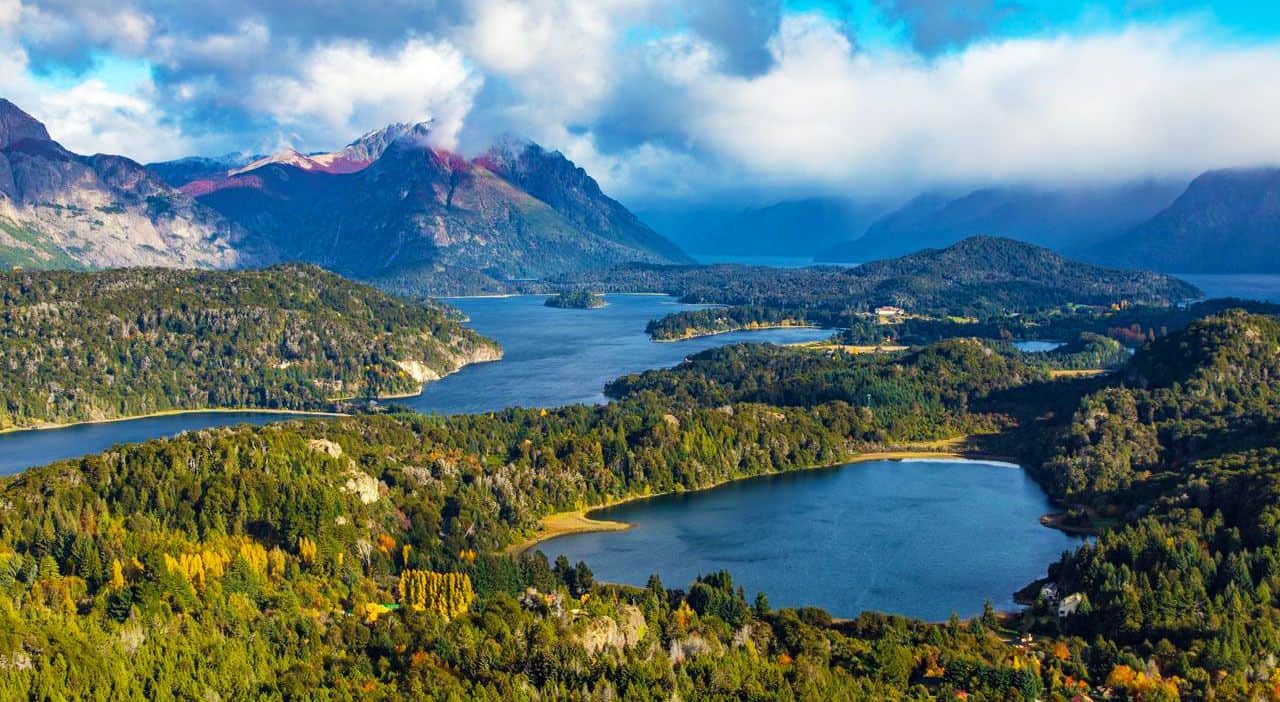
Further north in Patagonia, San Carlos de Bariloche sits along the edge of a turquoise lake, surrounded by snowcapped mountains. The town is often compared to the Swiss Alps for its wooden chalets, chocolate shops, and alpine vibes, but it’s also a base for hiking, biking, kayaking, and skiing.
In summer, you can take day hikes to scenic viewpoints or relax by the lakes. In winter, Bariloche turns into a ski resort, attracting travelers from around the continent. It’s more developed and more expensive than other Patagonian towns, but still a favorite for both domestic and international visitors.
🔗 What to do in Bariloche on a budget →
Mendoza & the Wine Region
Mendoza is the heart of Argentina’s wine country, located near the Andes and famous for producing bold Malbecs. Most travelers come here to tour the vineyards, either by bike or on guided tastings that include multiple wineries in a single day. The city itself is relaxed and leafy, with plazas, parks, and plenty of great restaurants.
Mendoza is also a jumping-off point for adventure sports like rafting, paragliding, and even mountaineering—Aconcagua, the tallest peak in South America, is not far away. March is an especially popular time to visit, as it’s grape harvest season and the area comes alive with festivals.
Salta & Jujuy
In the northwest, Salta and Jujuy offer a totally different view of Argentina—drier, more indigenous, and often overlooked. The landscape here is high-altitude desert, colorful mountains, salt flats, and remote adobe villages. Road-tripping through the region gives you access to local markets, ancient ruins, and scenic drives like the Quebrada de Humahuaca.
You’ll also find unique cuisine, with Andean influences and regional wines that are just starting to get international recognition. It’s one of the best areas for travelers who want to get off the typical tourist path without sacrificing infrastructure or safety.
How to Get Around Argentina
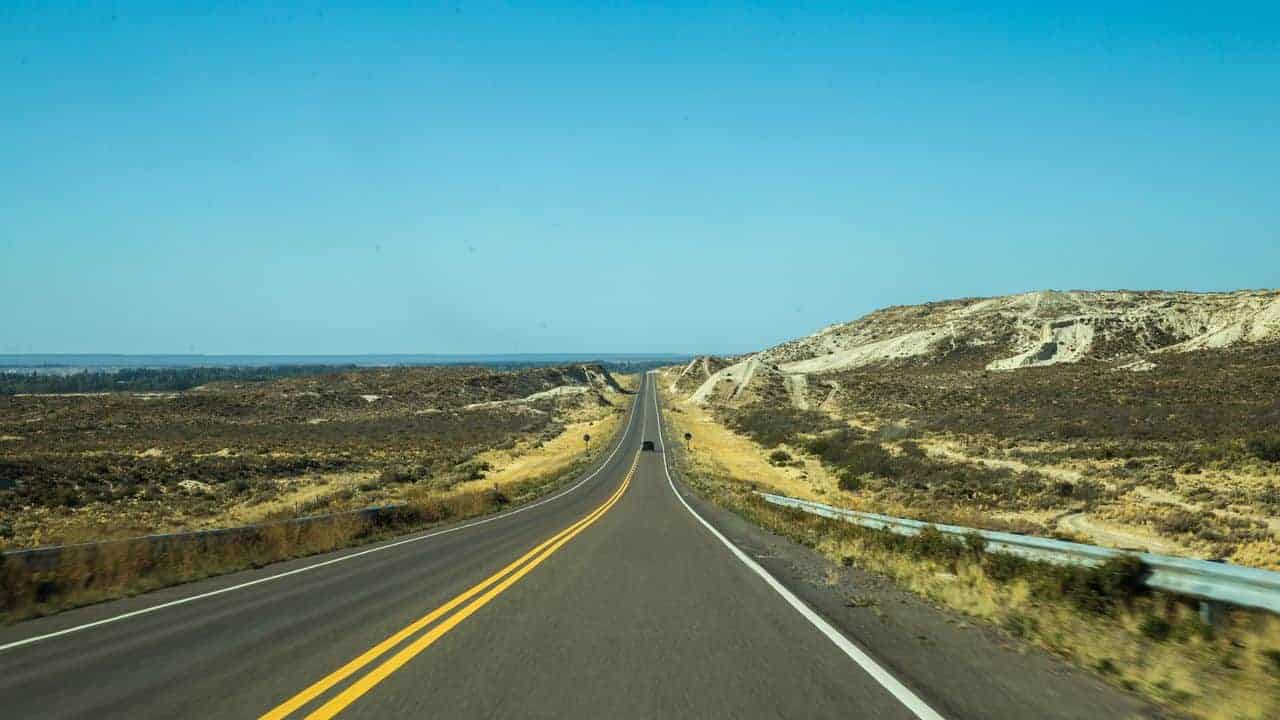
Traveling across Argentina takes time. The country is huge—over 3,600 km long—so figuring out how to move between cities and regions is one of the most important parts of planning your trip.
Buses
If you have a bit of time or don’t plan your trip much in advance, buses should be more affordable than national flights. However, be prepared to spend 15 to 20 hours travelling from one part of the country to the other. For this type of long journey, it is wise to choose an overnight bus which will also save you a night of accommodation!
Buses in Argentina are modern and comfortable. If you choose to travel with the largest companies (and safest) such as Andesmar or Via Bariloche you will have the option of a fully reclining seat (cama suite), a large 140° seat with foot support (Ejecutivo) or a simple and economic 140° seat (semi-cama).
We have tried them all, and for sure a fully reclined seat, wifi on-board, a glass of wine and a good meal are very enjoyable during a 19-hour journey, but we would prefer a lower price and bringing our own snacks…
The downside is the time. A bus from Buenos Aires to Bariloche or Puertno Madryn can take 20+ hours. If you’re not in a rush, it’s a great way to save on accommodation and see more of the countryside. Tickets are usually cheaper than flights, but not always—especially if you book flights in advance.
Flights
Argentina is so spread out that flying is often the most efficient way to cover long distances. Domestic flights connect major cities and key tourist areas like Iguazú, Mendoza, Bariloche, and Patagonia. The main airlines are Aerolíneas Argentinas, LATAM, JetSmart, and Flybondi.
Flights aren’t always budget-friendly, but deals do exist—especially if you book ahead. Trip.com, Skyscanner and Google Flights are good tools for comparing prices. Note that budget airlines often fly out of smaller airports, and baggage restrictions can be tight. If you’re planning to visit both the north and south, flying at least one leg of your trip will likely save you time and hassle.
Car Rentals
Renting a car gives you the most flexibility, especially in regions like Patagonia, Mendoza, or the northwest around Salta and Jujuy. Roads in these areas are generally safe and well-maintained, but distances are long and fuel costs can add up.
Although, in Argentina, car rentals can be expensive, with prices ranging from €70 to €100 per day, plus fuel and insurance. If you’re traveling with friends or a partner, sharing the cost can make this option more affordable. Booking in advance usually gets you better rates. Discover Cars is one of the best comparison tools for rental agencies across the country.
In rural areas, local agencies may ask for a high deposit or prefer cash. Most will require a credit card and a driver’s license, and some may ask for an international driving permit. International companies such as Europcar and Avis can be found in large cities. But, if you plan to rent a car in less populated places such as El Calafate or Puerto Madryn, expect to rent from local agencies.

You will be required to provide a Credit card and most of the time a deposit. If your bank card includes the liability cover, local companies won’t require an additional daily fee in case of an accident or damage. You’ll be in charge to pay the fee and taking care of the refund with your bank.
To rent a car in advance, we would recommend using Discover Cars. The best part about Discover Cars is that you get full coverage for less than €7 a day! You can also compare all the companies in the market, choose the type of car you want and see all the most recent customer reviews before making a booking. On the website, you can easily narrow your search price to find the best deal within your budget.

BEST ONLINE CAR RENTAL COMPARATOR – DISCOVER CARS
When booking a rental car in Argentina online, we recommend using Discover Cars because they offer Full coverage for less than €7. It is one of the best rental car comparators out there!
Hitchhiking
Hitchhiking is fairly common in Argentina, especially in Patagonia. It’s legal and culturally accepted, and you’ll often find locals and other travelers doing it. That said, it requires patience and flexibility, especially in high season when many backpackers are competing for rides.
If you go this route, start early in the day, bring water and food, and always have a backup plan in case you don’t get picked up. It’s a great way to meet locals and save money, but don’t rely on it as your main form of transport if you’re on a tight schedule.
Make sure to read our dedicated guide on how to hitchhike like a boss!

Trains
Argentina has a limited passenger train network, and it’s not a practical option for most travelers. There are a few routes from Buenos Aires to nearby cities, but service is slow and coverage is minimal. Unless you’re doing it for the novelty, trains are not recommended for intercity travel.
Where to Stay in Argentina
Argentina has no shortage of places to stay, whether you’re backpacking on a tight budget or looking for a comfortable private room after a long bus ride. Accommodation standards are generally good across the country, but prices and quality vary depending on the region, the season, and how far off the tourist trail you go.
Hostels & Budget Accommodation
Hostels are widely available and are still the go-to option for most budget travelers. You’ll find a mix of local hostels and international brands, especially in cities like Buenos Aires, Mendoza, and Bariloche. In Patagonia and the north, many hostels are smaller, locally run, and may only take bookings by phone or in person.
Expect to pay around €10–15 per night for a dorm bed, and between €25–35 for a basic double room. Shared bathrooms are common, but private ensuite rooms are available in most places. Many hostels include breakfast, access to a kitchen, and communal areas where it’s easy to meet other travelers.
In more remote towns like El Chaltén or Puerto Iguazú, prices go up during high season (December to March), and it’s worth booking ahead if you’re traveling during this period. In big cities, it’s often better to book just one night online, then extend directly to get a better price.
Guesthouses & Family-Run Hostals
In smaller towns, you’ll often find “hostals” or family-run guesthouses offering private rooms at fair prices. These can be more affordable than hotels, especially if you’re traveling as a couple. This type of accommodation is especially popular in rural Patagonia and the northwest, where tourism infrastructure is lighter and hosts are more likely to negotiate for longer stays.

Camping
Camping is a common and affordable option, particularly in Patagonia and the national parks. Official campgrounds usually offer basic facilities like bathrooms, fire pits, and running water, and charge €3–7 per tent per night. Some parks even have free sites. In more remote areas, it’s not uncommon for travelers to pitch a tent on private land for a small fee—local landowners are generally open to this if you ask.
Wild camping is possible but not recommended everywhere. In regions like the pampas or around El Chaltén, weather conditions can be harsh and unpredictable, so make sure your gear is up to the task. If you’re planning to camp, bring a quality all-season sleeping bag and a reliable, windproof tent.
What You Should Know
Accommodation prices have gone up across the board in recent years, especially in tourist-heavy areas. While Argentina used to be one of the cheapest places to travel in South America, that’s no longer the case. That said, you can still travel affordably by cooking your own meals, avoiding peak season, and choosing dorms or guesthouses over hotels.
If you’re planning a trip during the southern summer (December to March), it’s smart to book ahead for popular places like El Calafate, Bariloche, and Iguazú, where rooms sell out fast. In less touristy areas or outside high season, you can often walk in and find a bed.
Practical Info for Traveling in Argentina
Language
The official language is Spanish, but Argentine Spanish (Rioplatense) has its own accent and slang (called lunfardo), which can be confusing at first. English is not widely spoken outside of tourist areas, so it helps to learn a few key phrases or have a translation app handy. Locals appreciate any effort you make to speak Spanish, and many are happy to help even if communication is a bit bumpy.
SIM Cards & Mobile Internet
Getting a local SIM card is easy and cheap. The main providers are Claro, Personal, and Movistar. You can buy a prepaid SIM at any kiosk or mobile shop. Bring your passport for registration. Top up with data using the provider’s app or at kiosks.
If you’re only looking for mobile data and don’t need local calls or texts, the easiest solution is to use an eSIM with Airalo. It’s fast to set up, works immediately upon arrival, and saves you from navigating kiosks or paperwork.
Airalo offers affordable prepaid data packages for Argentina (and South America if you are here for a while) that work on local networks without needing a physical SIM. You can buy a 1 weeks, 1 month or even 1 year package or top up directly through the app and track your usage in real time. I have a full article on using Airalo (I tried it in Egypt), how it works and how to install it on your phone.
👉 Check Airalo eSIMs for Argentina
Safety
Argentina is generally safe for travelers, but like anywhere, you’ll need to stay alert—especially in big cities. Petty theft, like bag snatching and pickpocketing, happens most often in Buenos Aires, particularly in crowded places, bus stations, and on public transport.
Avoid flashing valuables, keep your bag in front of you, and stay aware in unfamiliar neighborhoods after dark. Outside major cities, crime rates drop sharply, and even remote areas are typically very safe for independent travelers.
Violent crime against tourists is rare. Most issues are opportunistic, not targeted.
Electricity & Plugs
Argentina uses Type C and I plugs (European-style and Australian-style). Voltage is 220V, so check your devices if you’re coming from a 110V country. Bring a universal adapter and a power bank—especially if you’re camping or spending time off the grid.
Insurance
Whether you’re hiking in Patagonia, road-tripping through the Andes, or just exploring busy cities like Buenos Aires, travel insurance isn’t optional—it’s essential. While Argentina has public hospitals that treat foreigners in emergencies, private clinics (where you’ll get faster care) are expensive, and unexpected issues like cancellations, theft, or injuries can quickly add up.
We recommend using VisitorsCoverage, an easy-to-use platform where you can compare multiple travel insurance plans and choose one that fits your needs and budget. It’s ideal for both short trips and long-term travel in South America.
👉 Get covered with VisitorsCoverage
Make sure your policy includes health coverage, emergency evacuation, and protection for high-value items like cameras or laptops if you’re bringing them.
Booking Tours & Accommodation Online
Accommodation
For most travelers, Booking.com is still the easiest and most reliable platform to find hostels, guesthouses, and budget hotels across Argentina. You can filter by price, amenities, and ratings, and most properties offer free cancellation.
In big cities, it’s fine to book just one night, then extend your stay in person if you like the place. But for smaller towns—especially during summer (Dec–Mar) or local holidays—booking ahead is essential.
👉 Find accommodation on Booking.com
Rental Cars
If you’re planning to explore Patagonia, Mendoza, or the northwest, renting a car gives you total flexibility. We recommend using DiscoverCars, which compares multiple rental companies and often includes full insurance coverage for just a few euros extra. It’s especially useful in remote areas where local agencies might not have a strong online presence.
👉 Compare rental car prices on DiscoverCars
Day Tours & Activities
For day tours, excursions, and guided activities, we recommend GetYourGuide and Viator. Both platforms offer reviews, instant booking, and flexible cancellation. They’re especially useful for booking:
- Glacier hikes in El Calafate
- Wine tours in Mendoza
- Boat rides at Iguazú Falls
- Wildlife tours in Peninsula Valdés
- Walking or bike tours in Buenos Aires
These platforms are a safe bet for both planning ahead and finding last-minute options in popular destinations.
👉 Browse tours on GetYourGuide
👉 Explore tours with Viator

Find out all our favourite Experiences in Argentina you can book on Viator! We hand picked the most popular and well rated tours on the platform that we would recommend, so you know you are booking an top-notch activity without any stress…
Tips to save money while travelling in Argentina
You will read everywhere great tips to save money while backpacking such as camping, volunteering or hitch-hiking. These are great ideas but let’s try to dig a bit more and see on a day-today basis, how to save at least a dollar! This is all based on my own experience backpacking in Argentina for 3 months.
- Pay by card to avoid the ATM fees.
- Rent a car with 4 other people. Less than that, it is not worth it. Taking a tour or an organised bus will often cost you less but you might have less freedom.
- Cook your own meat! Argentinian meat is one of the best in the world (if not the best) and it is quite cheap to buy in the shops or at the butcher counter. Try the amazing “Bife de Chorizo” (rib-eye) for €5 or “
lomo ” (tenderloin) for €3, for 2 people. - Eat empañadas. It fills you up, it is cheap and really tasty.
- Return your glass beer bottles to the shop for a refund (only 1L bottles).
- Drink tap water. It is generally safe to drink throughout the country. It’s cheaper than buying bottles and more sustainable.
- Do not consider buying any books, camping or outdoor gear in Argentina. They are highly taxed and therefore much more expensive than in Europe or the US. Either bring your own or buy what you need in Colombia and Peru where you can get much cheaper gear.
- Go to “La
Viruta ” in Buenos Aires to learnTango for Free and watch the professionals later on during the night. - Don’t book your hostels in advance or book just one night (except during weekends and national holidays). If you like the place you are in, ask about staying longer and if they can give you a special price. You’ll be surprised how often hostels say yes.
- Keep a very close eye on your budget and expenses. You will have plenty of opportunities to book better accommodation and enjoy nights out in a cheaper country.

Suggested Itineraries
One Week in Argentina
Focus: One region only: If you have just a week, don’t try to cross the whole country. Argentina rewards travelers who slow down.
Option 1: Buenos Aires + Iguazú Falls
Start in Buenos Aires with 3–4 days to explore neighborhoods like Palermo, Recoleta, and La Boca. Then fly to Iguazú for 2–3 days to visit both sides of the falls. This combo gives you a taste of both city life and one of the most incredible natural wonders in South America.
Option 2: El Calafate + El Chaltén (Patagonia)
Fly directly to El Calafate. Spend a day at Perito Moreno Glacier, then head to El Chaltén for trekking. This is ideal if you want outdoor adventure and don’t mind skipping cities.
Two Weeks in Argentina
Focus: Mix of city, nature, and culture: Two weeks lets you combine a few regions without feeling rushed. You’ll likely need one or two domestic flights.
Suggested Route:
- Buenos Aires (3 days) – Culture, food, and nightlife
- Iguazú Falls (2–3 days) – Explore both Argentina and Brazil sides
- Mendoza (2–3 days) – Wine tasting and Andes views
- Patagonia (4–5 days) – Fly to El Calafate or Bariloche for hiking and landscapes
If you prefer to avoid too many flights, swap out Patagonia for the northwest (Salta and Jujuy), which you can reach by bus or short flight from Buenos Aires.

One Month in Argentina
Focus: Explore multiple regions at your own pace: A month gives you the chance to move slowly and experience both well-known highlights and off-the-beaten-path places. It’s also ideal if you’re using buses and want to save on flights.
Example Itinerary:
- Buenos Aires (4 days) – Start your trip and settle in
- Iguazú Falls (3 days) – Fly or bus north
- Salta & Jujuy (5–6 days) – Road trip through colorful mountains and villages
- Mendoza (4 days) – Wine country and Andean foothills
- Bariloche (4 days) – Lakes, hikes, or skiing (seasonal)
- El Calafate & El Chaltén (7–8 days) – Glaciers and trekking in Patagonia
Build in buffer days for rest and long travel legs. Prioritize open-jaw flights (flying into Buenos Aires and out of Patagonia or vice versa) if possible.
FAQs About Travel in Argentina
Plan Your Trip to Argentina
Now that you’ve got an overview of how to travel Argentina—where to go, when to visit, what it costs, and how to get around—it’s time to start mapping out your adventure. Whether you’re heading to Patagonia, planning a city break in Buenos Aires, or chasing wildlife along the Atlantic coast, we’ve already done the legwork so you don’t have to.
Here are some helpful articles to guide the next steps of your trip:
Regional Guides & Things to Do
- Complete guide to Peninsula Valdés – wildlife, seasons & how to get there
- How to visit Iguazú Falls from the Argentine side
- Things to do in Buenos Aires on a budget
- El Calafate & Perito Moreno Glacier travel tips
- Hiking Mount Fitz Roy – El Chaltén trekking guide
- Top things to do in Bariloche on a budget
- Puerto Madryn – 5 easy one-day trips you can’t miss
- Punta Tombo – Best place to see penguins in Argentina
Wildlife & Patagonia
- Where to see penguins in South America
- Ultimate Patagonia travel guide
- Top 8 places to visit in Patagonia
- How to hitchhike through Patagonia like a boss
Real Talk: Travel Advice
- Main challenges of travelling in South America (and how to deal with them)
- Common scams to avoid in South America

Our Top 8 Places in Patagonia
From The Pampas To The Pre-Andean Peaks, Patagonia Reveals Natural Wonders At Every Corner. Here’s Our List Of The Top 8 Places In Patagonia.


