
Buenos Aires has a reputation for tango-filled nights, world-class steak, and European flair. But what many don’t realize is how easy it is to enjoy the city without burning through your savings. If you’re drawn to culturally significant areas, open-air markets, or cultural hotspots, there’s plenty to explore in Buenos Aires for free.
You can wander through historic neighborhoods like Palermo, San Telmo, or La Boca, where street art and cobblestones tell their own stories. Take advantage of the city’s many public parks and street markets, join a free walking tour, or catch live music in the plazas without paying a cent.
And when it comes to stretching your pesos, Buenos Aires delivers through affordable food spots and local hangouts that serve up serious character for just a few coins!
If all the above sounds like what you are looking for, then welcome to the ultimate guide for budget travellers eager to explore Buenos Aires! In this article, we’ve rounded up the A-list of the top free and affordable things to do in Buenos Aires. Read on to find plenty of ways to make the most of your trip without sacrificing your budget.
Walking Tours & Neighborhood Explorations
1. Take a Free Walking Tour

Taking a free or tip-based walking tour is the best way to get your bearings in Buenos Aires. Local companies, such as FreeWalks and Buenos Aires Free Walks, organize these tours daily, and they are led by funny and knowledgeable volunteer guides. You’ll learn about the foundation of Buenos Aires, its aristocracy, the Jewish community, and the Malvinas War.
Most morning tours run from the Teatro Colón to Recoleta Cemetery, and they cover landmarks like Plaza de Mayo and Avenida 9 de Julio. In just about 3.5 hours, you’ll get a good sense of how the city evolved into the vibrant and multicultural place it is today.
Tip: Sundays are great for these tours since there’s less traffic and it’s easier to walk around without the usual weekday rush.
Cost: Free, but tipping the guide €5–€10 is pretty standard.
2. Learn Immigrant History in La Boca
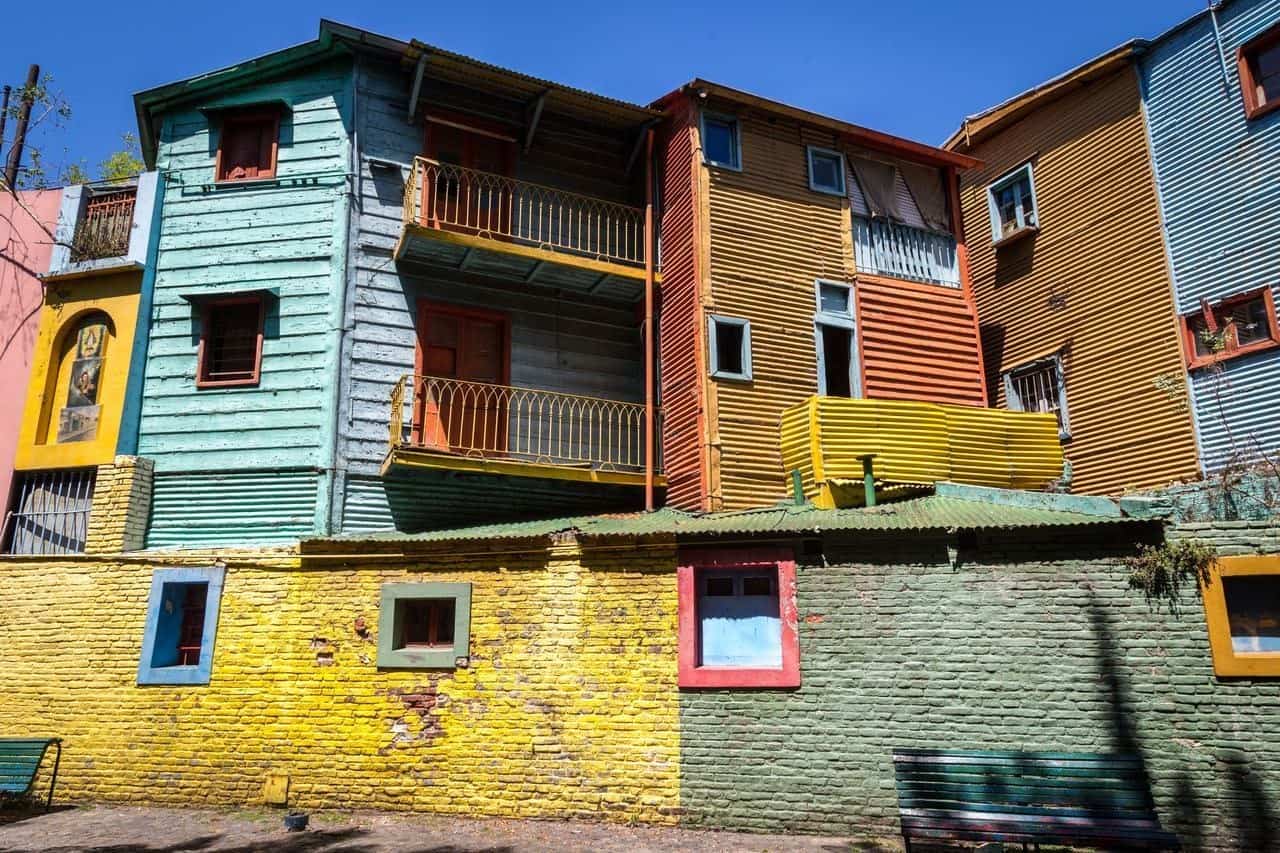
La Boca is famous for its colorful houses, street art, and the Boca Juniors Football Club (more on that in #15), but it’s also the best place to understand the history of Buenos Aires. Walking around, you’ll see murals that tell stories of the neighborhood’s immigrant roots and working-class past.
A little backstory: In the early 19th century, La Boca was the heart of the city and home to immigrants who helped build Buenos Aires from the ground up. Many of these families painted their homes with leftover colors from the harbor, which gave the area its signature vibrant look.
The Caminito area is full of music and art, and if you join a La Boca Walking Tour, you’ll learn how the neighborhood has grown and changed over the years. Guides share local anecdotes about how people once lived in cramped rooms, how local painter Quinquela Martín helped bring pride back to the area, and how tango was born here as a fierce battle between men disguised as a dance.
Tip: Visit during daylight hours and stick to the main tourist areas for safety.
Cost: Free to explore; 2-hour guided tours start at around €12.
3. Marvel at French-Italian Architecture in Recoleta
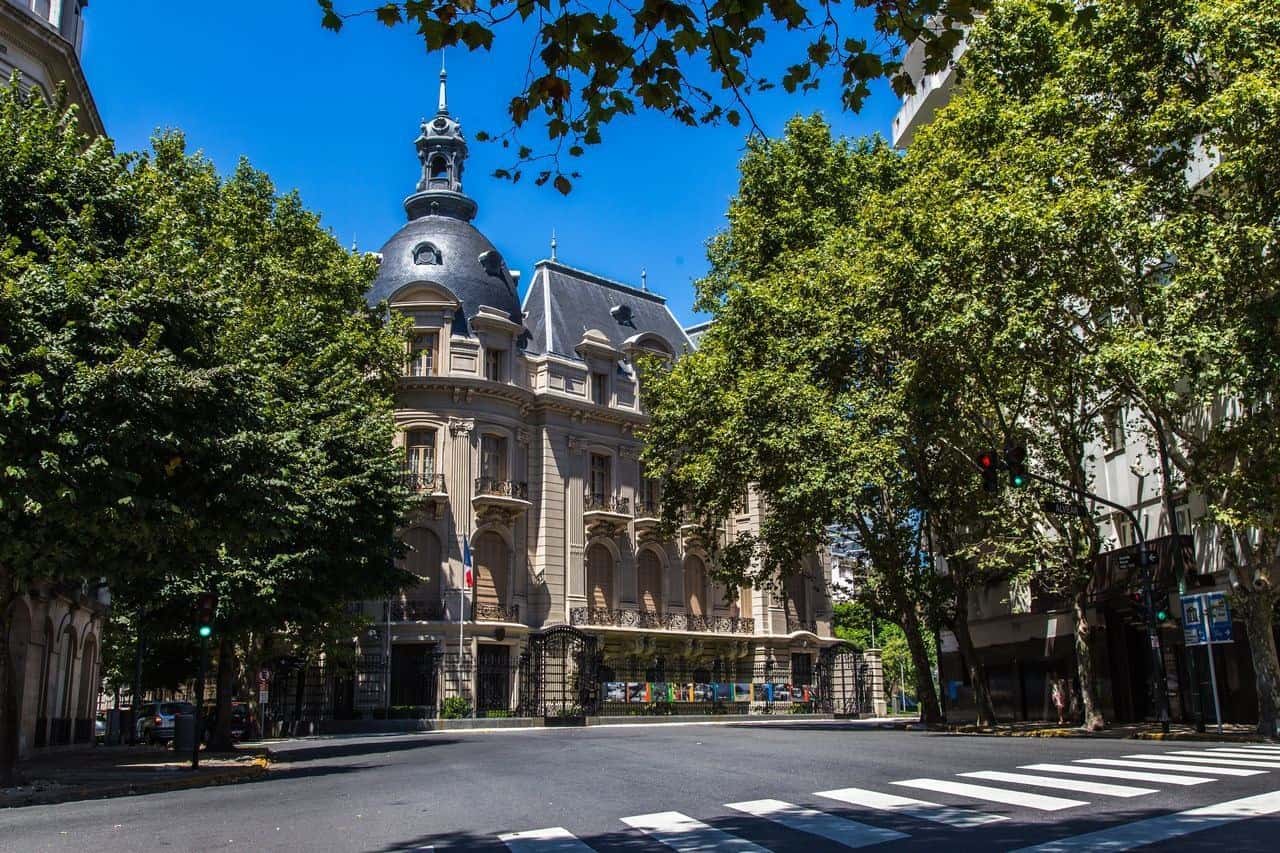
Recoleta is one of Buenos Aires’ most elegant neighborhoods, known for its French-Italian-style buildings and leafy streets. Many of these structures were built for wealthy families in the late 19th and early 20th centuries, showcasing the Belle Époque and Neoclassical styles that European immigrants brought with them.
The shaded sidewalks and elegant facades make this neighborhood feel like a quiet corner of Europe, right in the heart of Buenos Aires. Take a moment to admire the grand old buildings (some are even exact replicas of existing Parisian and Italian buildings!) and stop by the little cafes or bakeries that line the streets.
Highlights include sites like the Palais de Glace and the Basilica of Our Lady of the Pillar.
Cost: Free to explore
4. Discover Palermo’s Street Art

Palermo, particularly the Soho and Hollywood districts, is bursting with colorful graffiti and murals that change all the time. Exploring on foot is the best way to see these works that cover everything from politics to pop culture. If you’re interested in the context behind the art, there are guided Graffiti and Street Art Tours that provide insights into the artists and their messages.
On the weekend, it’s customary to be seen drinking a cortado (espresso with steamed milk), eating a helado (gelato) at a hip café, or browsing new fashion items at market stalls. Palermo is also home to many of the best hostels in town and boasts a lively nightlife scene. The area is laid-back and perfect for an afternoon stroll.
Cost: Free to explore; 2-hour guided tours start at around €9.65.
5. Ride the Historic Tram in Caballito
Feel like a time traveller with a free ride on the historic tram that loops through the Caballito neighborhood! It was restored by the Association of Friends of the Tramway, run by volunteers, and has a nostalgic feel that’s different from your usual sightseeing. The trip is short, but it’s a charming way to see how locals used to get around in the early 20th century.
Hours: Trams run on weekends and public holidays from 4 p.m. to 7:30 p.m.
Flea Markets & Pop Up Events
6. San Telmo’s Antique & Flea Markets
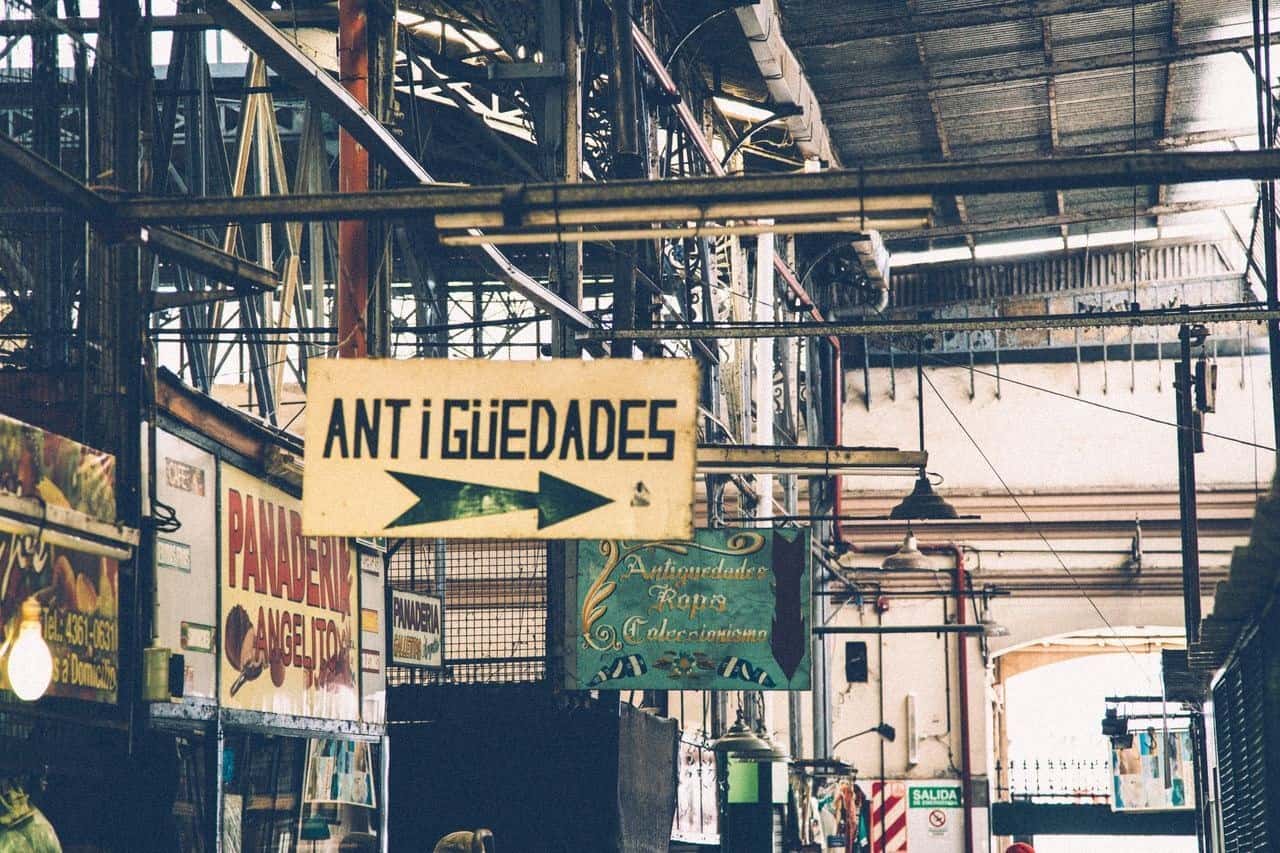
San Telmo is a place you must check out if you’re into vintage items and unique finds. During the week, the indoor market displays everything from fresh produce to unique curiosities. Antique shops sell vintage posters, dolls, vinyl collections and even army clothing.
Sundays are the real showstopper when Plaza Dorrego turns into a huge flea market. There are buskers, tango dancers and artists showing off their stuff. It’s great for a slow stroll and people-watching.
For unique treasures and local crafts, head to the Feria de San Telmo and prepare to find something bizarre or borderline creepy! Plus, nearby Lezama Park is great for a walk or snack break if you need a breather from the crowds.
Tip: Head over in the morning to get the best finds before the afternoon rush.
Cost: Free to explore
7. Recurring Markets Across the City

If you’re still in the mood to explore more of Buenos Aires’ market scene, there are several other vibrant spots worth checking out. The Mercado de Pulgas in Colegiales is a haven for vintage furniture and unique home goods, with a laid-back vibe that’s perfect for a weekend browse.
Over in Recoleta, the Feria de Artesanos de Plaza Francia takes place on weekends, offering a variety of handcrafted goods, jewelry, and live music in a beautiful park setting. Meanwhile, Palermo hosts the Feria Palermo Viejo, a weekend market that showcases local artisans and emerging designers.
If you’re into Argentina’s traditional crafts and rural culture, the Feria de Mataderos is held on Sundays from March to December. Here, you’ll find folk music, regional foo,d and handmade goods.
Tip: Bring some pesos in cash. Most vendors at these markets don’t accept cards.
Cost: Free to explore
8. Catch the Travelling Food Fair
For a fresh take on Buenos Aires’ food scene, the Buenos Aires Market is a travelling food market that sets up in different neighborhoods throughout the city. It features a tempting selection of street food, artisanal products, and fresh local produce from local vendors.
Catch it to sample dishes from up-and-coming chefs, explore new flavor,s and mingle with food lovers in an open-air setting. Though the market leans gourmet, it’s still possible to find affordable bites or small portions that let you taste your way around without stretching your budget too far.
Tip: Check the market’s social media pages to find out where it’s next popping up.
Cost: Free entry; pay for what you eat.
9. Discover Feria Puerto Madero
In the midst of the sleek architecture of Puerto Madero, this lesser-known flea market is a hidden gem for weekend browsing. The Feria Puerto Madero offers a mix of antiques, vintage items, and local crafts by the Rio de la Plata river. It’s a quieter alternative to some of the more famous markets, but still brimming with character and charm.
Tip: Pair your market visit with a riverside walk to enjoy the modern skyline of Puerto Madero.
Cost: Free to explore
Parks & Outdoor Activities
10. Take a Boat Trip to the Tigre Delta
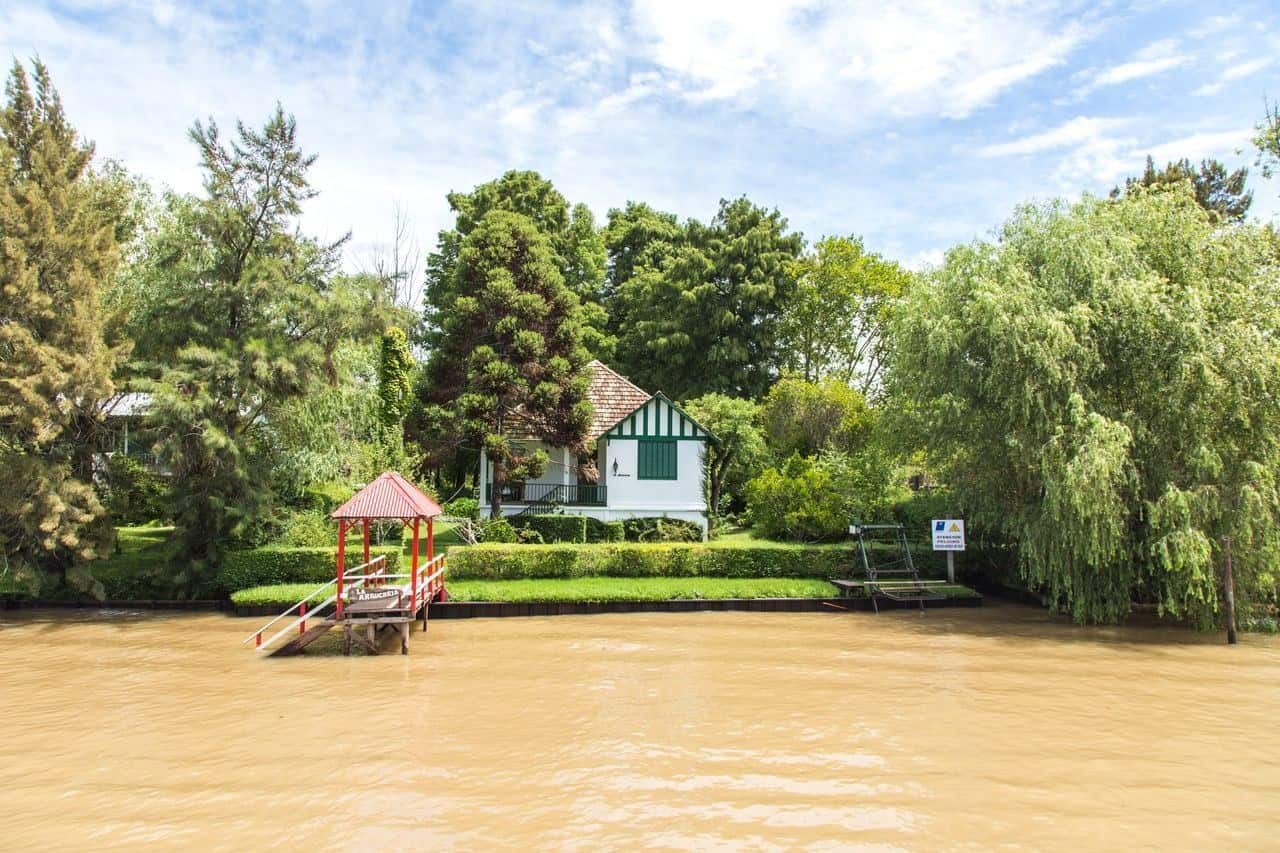
A trip to Tigre is one of the best day trips from Buenos Aires. It offers a unique perspective of life along the waterways just outside Buenos Aires.
The train ride from the city is inexpensive and convenient, making it a popular tourist destination. The main attraction is a boat tour of the delta river to see small islands and riverside homes. Each route takes you past gorgeous houses on stilts, some of which you can even visit or stay in overnight!
After cruising the delta, wander through the huge craft and souvenir market, or head to Barrio Chino (or Chinatown) for a taste of something different. If you’re travelling with kids, the area also has a fair and a water park for some extra fun.
Tip: Try to go during the week if possible. It’s quieter and more peaceful than weekends.
Cost: Train around €0.50; boat tours start at €6.65.
11. Relax in the Bosques de Palermo
The Bosques de Palermo, also known as Parque Tres de Febrero, is one of the largest green spaces in the city and a local favorite. Here, you’ll find rose gardens, sculptures, and small lakes where you can rent a paddleboat for a small fee. Come here for an afternoon picnic or just a quiet stroll under the trees, especially if you’ve been exploring the busy streets of Buenos Aires all morning.
Tip: Weekday mornings are especially peaceful if you’re looking to escape the city’s buzz.
Cost: Free; boat rentals start around €2–€3.
12. Wander Through the Japanese Garden
Tucked away in Palermo, the Japanese Garden is an oasis of calm amidst the city’s hustle and bustle. It’s home to koi ponds, bonsai trees, and winding paths that make you want to slow down and take it all in.
Designed as a symbol of friendship between Argentina and Japan, the garden has a tea house, a cultural center,r and small bridges that make for great photo spots. There’s a small entrance fee, but it’s one of the most peaceful spots in the city to take a break from the busy streets and enjoy some quiet.
Tip: Bring a book or a snack and take a seat by the water for a relaxing afternoon.
13. Join the EcoBici Program
Buenos Aires makes it surprisingly easy to get around on two wheels, thanks to its free bike-sharing system called EcoBici. There are stations all over the city where you can grab a bike and explore neighborhoods like Palermo or Recoleta at your own pace.
The program allows you to borrow a bike for an hour at a time, making it a practical way to explore more of the city, especially if you’re trying to fit in some exercise during your trip.
Tip: Download the EcoBici app to find the nearest stations and check bike availability in real-time.
Cost: Free to use; just sign up with your passport or ID.
Cultural Experiences & Museums
14. Browse The Library El Ateneo
El Ateneo Grand Splendid is unlike any other and is probably one of the most beautiful bookshops in the world.
It’s set inside a beautiful former theater on Santa Fe Avenue, with rows of books replacing the audience seats. The stage has become a cozy café where you can sit with a coffee and take it all in. The original frescoed ceiling and ornate balconies remain intact, adding to the charm.
It’s a peaceful place to browse or just soak up the atmosphere of a city that truly loves books. If you’re not a big reader, just stop by for the architecture and the view from the upper balconies.
Cost: Free to enter
15. Visit the La Boca Juniors Football Club

If you’re a sports fan or just curious about the local passion, visit the home of La Boca Juniors. The legendary La Bombonera stadium is known for its electrifying atmosphere and fiercely loyal fans. On a Boca Juniors Tour, you’ll explore the museum, learn about the club’s rich history, and hear colorful stories about its rise to fame.
Our guide shared how Boca Juniors adopted their iconic colors. In 1906, they played a game against their rival team, who wore similar red-and-black shirts, to decide which team would keep the shared jersey design. La Boca lost and had to adopt a new look, so they decided on yellow and blue!
The colors were inspired by the flag on the first ship they saw in the port: a Swedish one! Some even say that an Irish priest from Tipperary, who assisted with coaching, also played a role in their selection.
Stepping into the stadium, you’ll see why they call it the “Colosseum of Buenos Aires.” It’s where mild-mannered fans transform into roaring “animals” once the first whistle blows. The energy is so intense that architects had to come up with special reinforcements to keep the stadium standing during these bouncing chants and cheers.
So deep is their loyalty that La Boca even famously turned down sponsorship from Coca-Cola, since red and black are the colors of their biggest rivals!
Tip: Tours can fill up fast on weekends, so it’s worth booking ahead if you can.
Cost: Tours start around €12.
16. Attend Cultural Events at Usina del Arte
Located in the La Boca neighborhood, Usina del Arte is a cultural center that serves as an architectural highlight in its own right. You’ll find a rich mix of art exhibitions, live music, and community events, most of which are free! The venue also features a striking concert hall and rotating exhibits that showcase both local and international artists.
Tip: Keep an eye on their program schedule. Events change often and range from classical concerts to family-friendly workshops.
Cost: Many events are free; some performances have a small entry fee.
17. Visit Museums with Free Entry Days
Buenos Aires has some impressive museums that won’t cost you a thing on certain days.
The Museo Nacional de Bellas Artes is home to a fantastic collection of European masters like Van Gogh and Monet, as well as Argentine artists you might not know yet. The building itself is impressive and admission is completely free.
If you’re interested in contemporary art, the MALBA (Museo de Arte Latinoamericano de Buenos Aires) features an exceptional collection of modern Latin American art, with discounted admission on Wednesdays.
The Museo de Arte Moderno in the heart of San Telmo is another Wednesday favorite, offering free entry to everyone. It’s housed in a beautifully restored building and is a great spot to discover both established and up-and-coming Argentine artists.
Tip: Check museum websites for updates on hours and any new exhibits or tours.
Cost: Free on certain days; general admission usually around €1–€2.
Historic Sites
18. Visit the Recoleta Cemetery

After a yellow fever epidemic at the end of the 18th century, wealthy families moved to the neighborhood of Recoleta. What started as a public cemetery soon became the final resting place for powerful families, giving it its glory.
Today, the cemetery feels like an open-air art gallery. The street-like alleys are lined with massive mausoleums in every architectural style, from Art Deco to neo-Gothic. Presidents, celebrities, war heroes, artists and aristocrats are all buried here alongside the general public.
No surprise it was ranked among the 10th most beautiful cemeteries in the world.
Hours: Free guided tours in Spanish are available from Tuesday to Friday at 11 a.m. and 2 p.m., and on weekends at 11 a.m. and 3 p.m.
Cost: Free
19. Tour Casa Rosada
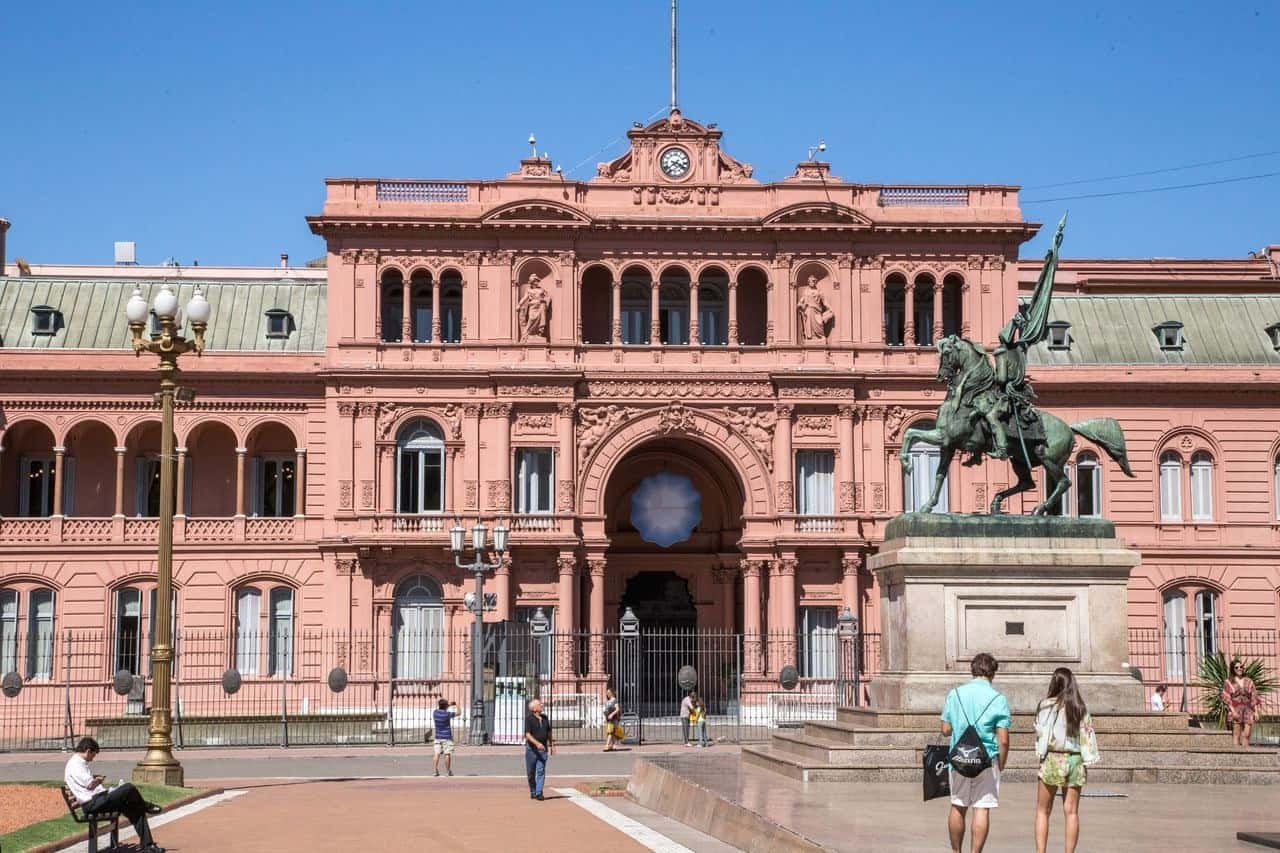
Casa Rosada is the pink-colored presidential palace that stands at the heart of Plaza de Mayo. The building’s distinctive color and European-style architecture make it a striking focal point of the city. It offers a glimpse into Argentina’s political history, with free guided tours that take you through stately rooms, historic artifacts, and grand architecture.
Cost: Free on weekends.
Live Music, Dance & Cultural Events
20. Take a Tango Class at La Viruta

La Viruta is a well-known milonga (tango club) that’s popular with locals and travellers alike. When we took our first dance class as a couple, it was definitely a bit laborious! Those tango steps take practice, but we had a blast learning the basics and soaking in the energy of the room.
This welcoming milonga is perfect for both beginners and experienced dancers. Classes are in English and last about an hour, so it’s easy for travellers to join in. Even when we were taking a break from practice, we enjoyed watching the more seasoned dancers whirl (and flirt) their way around the spacious floor!
Address: Armenia 1366, Buenos Aires
Hours: They’re open from 6:30 p.m. to 4:30 a.m. on Sundays, and from 8 p.m. to 4:30 a.m. on Wednesdays and Fridays.
Cost: Free entrance, but it’s nice to buy a drink or leave a small tip if you’re joining in.
21. Catch a Murga Performance

Murga is a vibrant street performance style that’s part of the local carnival traditions in Argentina and Uruguay. Groups of dancers and drummers perform rhythmic, high-energy shows that mix humor with social commentary. The lyrics often criticize corrupt politicians and serve as a popular form of resistance.
These performances typically appear around February during the carnival season and can be seen in neighborhoods such as Parque Centenario or Mataderos.
Tip: If you’re visiting during carnival season, ask around! Locals always know where the best performances will be.
Cost: Free
22. Experience Free Concerts & Festivals
Buenos Aires has a lively arts scene, and there are always free concerts and festivals happening around the city. From open-air tango shows in San Telmo to classical music in public squares, you’re never far from live music or dance. Cultural centers like the Centro Cultural Kirchner often host exhibitions and performances that are free of charge.
Tip: Keep an eye on local event listings or ask at your hostel. Some of the best events aren’t widely advertised online.
Cost: Free
Local Food Favorites
23. The Best Beef You’ll Eat: Bife de Chorizo

At least for us, it was! Argentinian beef has a well-earned reputation, and tasting a juicy bife de chorizo tops the list.
On our first night in Buenos Aires, our host grilled up bife de chorizo, lomo and chorizo sausages on the parrilla, and we were hooked! You’ll find this thick, flavorful steak at parrillas all over the city, from no-frills neighborhood joints to stylish spots that fill up fast (learn more in #24). Pair it with a glass of Malbec and a dollop of chimichurri sauce, and your taste buds will thank you.
If you’re on a budget, butcher shops sell excellent cuts of meat that you can cook yourself in your accommodation’s kitchen. Chimichurri is easy to find in any shop, usually next to the BBQ and ketchup sauces. Trust us, you’ll want to add it to everything.
Tip: The best time to try this is on a Sunday afternoon when locals gather for traditional asados.
Cost: Around €10–€15 at a restaurant; about €4 at a butcher for 2 steaks.
24. Join a Parrilla Feast

A parrilla (don’t forget the chhhh!) is a social event and a cornerstone of Argentine culture. In Buenos Aires, you’ll find it in every neighborhood, each serving up smoky and flavorful cuts of meat that show off how seriously locals take their grilling.
Restaurants do a fantastic job with mixed platters called parrilladas, featuring everything from juicy bife de chorizo and lomo to chorizo sausages, morcilla (blood sausage), mollejas (thymus glands) and chinchulín (small intestines). But nothing beats the experience of joining a Sunday asado with local families.
These feasts are meant for sharing, and ordering a parrillada with friends is the perfect way to sample all the different cuts and flavors that make an asado special. Aside from the delicious food, it’s a moment to slow down and connect over good conversation and great company.
Cost: Around €10 per person in a restaurant; home-cooked asados are usually cheaper.
25. Try Authentic Argentinian Pizza

Pizza might not be the first thing you think of in Argentina, but Buenos Aires has definitely made it their own. It’s thicker and cheesier than its Italian cousin, with a crispy crust and loads of toppings. Another fun twist: Argentinians cook pizza on the parrilla to add that smoky grill flavor you won’t find anywhere else!
We highly recommend popular spots include Cosi Mi Piace, La Mezzetta, and El Cuartito, each with their own spin on classic flavors. It’s a filling and budget-friendly meal that’s perfect after a day of exploring.
Tip: Try a slice of fugazzeta, a pizza stuffed with gooey cheese and sweet onions.
Cost: Around €2–€4 per slice or €8–€12 for a whole pizza.
26. Grab Empanadas for a Cheap Snack

Empanadas are the ultimate grab-and-go snack in Buenos Aires. They’re like a mini calzone that’s easy to eat on the go. Baked in the oven (unlike in Chile, where they’re fried), these little pastries come stuffed with ham and cheese (jamón y queso), chicken (pollo “pochhhho”), meat (carne) or spinach and ricotta (very Italian!).
You’ll find them everywhere, from street stalls to pizza shops. While gourmet versions can be pricey, many local bakeries offer a dozen for around 22,000 pesos. We loved grabbing a couple of empanadas from local bakeries but also learned how to make them ourselves!
Tip: Everyone has their favorite so don’t be shy about trying different fillings.
Cost: Around €1.50 for a couple of empanadas.
27. Sample Medialunas at Local Bakeries
No morning in Buenos Aires feels complete without a fresh medialuna. These sweet and crescent-shaped pastries are Argentina’s take on the classic croissant and come in two main varieties: de manteca (buttery) and de grasa (flaky, lard-based).
You’ll find them in nearly every bakery and café, and locals will tell you to pair them with a café con leche or maté (more in #30).
Cost: Typically around €0.50–€1 each, depending on the bakery.
28. Buy Ice Cream by the Kilo
Argentina’s Italian heritage shines in its ice cream, and Buenos Aires has some of the best heladerías around. This sweet tradition traces back to the millions of Italian migrants who arrived through the La Boca neighborhood and brought their gelato culture with them.
It’s common here to buy ice cream by weight instead of by the scoop, so you can share with friends or save some for later! Local favorites include Rapa Nui, Cadore, and Volta. Each is known for creamy and flavorful helados that won’t break your budget.
Tip: If you’re sharing with friends, ordering a quarter-kilo is a sweet deal for everyone.
Cost: Around €3–€4 for a quarter kilo.
Local Drinks & Social Traditions
29. Participate in Yerba Maté Circles

Served hot in a calabash gourd with a metal straw called a bombilla, this herbal tea is a shared experience passed from person to person in a circle.
Unlike its Paraguayan cousin, tereré, which is served cold, maté is typically enjoyed steaming hot. Some people even add orange juice during summer heatwaves, though most locals prefer it bitter.
You’ll find maté sets for sale in most markets and cafés, but the true experience is sharing it in good company.
Tip: If you’re invited to join in, always drink the entire portion before passing it back. It’s part of the etiquette.
Cost: Around €2 in a café; sharing with locals is usually free.
30. Have a Cup of Specialty Coffee

Coffee Town, Argentina’s first specialty coffee roaster and a fixture of the San Telmo Market, is currently temporarily closed. But that’s no reason to skip Buenos Aires’ growing specialty coffee scene.
Specialty coffee here is all about fresh and carefully sourced beans and expertly crafted brews. It’s like experiencing the city’s creative energy in a cup!
In Palermo Soho, Full City Coffee Roasters is a local favorite known for its expertly roasted beans and cozy vibe. Nearby, Cocu Boulangerie pairs French-style pastries with quality coffee. If you’re up for something a bit different, Moshu Treehouse in Palermo has a unique treehouse-inspired atmosphere and a solid brunch menu alongside their coffee offerings.
Over in the city center, NEGRO Cueva de Café is anintimate spot with carefully crafted brews that draw a loyal crowd. And for a twist on the usual, Kajue Café brings a Venezuelan-inspired breakfast menu and standout coffee to Palermo.
If you’re heading south to Patagonia and packing a French press or V60 for your trip, we’d definitely recommend bringing some fresh beans along, just like we did. Because there’s nothing quite like starting a frosty morning in the wild and making a cup of excellent coffee, while making every trekker around you jealous!
Cost: Around €2–€4 for a good cup of coffee (Chemex or Dripper).
Adresses:
- Coffee Town: Bolivar 976, Mercado de San Telmo, Buenos Aires
- Full City Coffee Roasters: Thames 1535, C1414 Buenos Aires
- Cocu Boulangerie: Malabia 1510, C1414 Buenos Aires
- Moshu Treehouse: Guatemala 4570, C1425 Buenos Aires
- NEGRO Cueva de Café: Suipacha 637, C1006 Buenos Aires
- Kajue Café: Guatemala 4665, C1425 Buenos Aires
Where to Stay in Buenos Aires on a Budget
Buenos Aires has no shortage of budget-friendly places to crash, you just need to know where to look. If you’re after a social hostel, a cozy guesthouse or a simple hotel that gets the job done, this city delivers plenty of affordable stays that won’t empty your wallet.
The key is picking the right neighborhood: some offer popular landmarks, others give you tango on the doorstep. Here’s where to start.
Palermo
Palermo is one of the most popular areas for travellers, especially the sub-neighborhoods Palermo Soho and Palermo Hollywood. It’s packed with trendy bars, third-wave coffee shops and street art. Plus, it’s well connected to the rest of the city via the subway.
Viajero Buenos Aires Hostel
Viajero Buenos Aires Hostel is a great option if you’re looking for a vibrant and social atmosphere right in Palermo Soho. The modern design, friendly staff and busy common areas make it easy to meet other travellers. There’s a rooftop terrace for sunny days, a bar with live music nights and plenty of spaces to hang out or work if you’re combining travel and remote work.
Address: Venezuela 649, C1095AAM Buenos Aires
Hours: 24-hour reception
Price: Dorm beds from €15, private rooms from €45
Amenities: Free Wi-Fi, rooftop terrace, daily activities
Hostel Sweet Home Palermo Soho
This is a family‑friendly hostel in the heart of Palermo Soho. It offers a sun terrace, on‑site café/bar and family rooms with private bathrooms and balconies. Breakfast and airport shuttle are available. Clean, quiet and with easy access to Palermo’s restaurants and public transport.
Address: Guatemala 4778, C1425 Buenos Aires
Hours: 24‑hour reception
Price: Dorm beds from €14, private rooms from €45
Amenities: Free Wi‑Fi, breakfast included, cafe/bar, terrace
Malevo Muraña Hostel
Just a short walk from Plaza Serrano in Palermo Soho, Malevo Muraña is a quieter alternative in buzzing Palermo. It has a cozy garden, brick patio and plenty of communal space for travellers to hang out. Rooms are simple but clean and staff are known for helpful local tips.
Address: Russel 5050, C1414 Buenos Aires
Hours: 24-hour reception
Price: Dorm beds from €11, private rooms from €35
Amenities: Free Wi-Fi, communal kitchen, luggage storage
San Telmo
If you prefer an old-world vibe and want to be closer to weekend street markets and tango shows, San Telmo is a solid choice. This historic district has plenty of charm and cheaper digs.
America del Sur Hostel Buenos Aires
This polished hostel is great if you want to explore San Telmo’s antique markets and tango bars on foot. It’s bright and modern inside, with helpful staff and social spaces for meeting fellow travellers.
Address: Chacabuco 718, C1069AAP Buenos Aires
Hours: 24-hour reception
Price: Dorm beds from €16, private rooms from €38
Amenities: Free Wi-Fi, breakfast, daily tours
Circus Hotel
Circus offers hotel-style comforts with hostel pricing. It’s clean, secure and friendly, with a small outdoor pool and on-site café. A great base for those who want to mix sightseeing with downtime.
Address: Chacabuco 1020, C1069AAV Buenos Aires
Hours: 24-hour reception
Price: Dorm beds from €17, private rooms from €39
Amenities: Pool, café, free Wi-Fi
Telmho Hotel Boutique
Right across from Plaza Dorrego, Telmho is a stylish but affordable boutique option. Rooms are compact but well-designed, and the location is unbeatable for weekend market strolls and catching live street tango.
Address: Defensa 1086, C1065AAT Buenos Aires
Hours: Check-in from 2:00 PM
Price: Double rooms from €50
Amenities: Free Wi-Fi, air conditioning, breakfast available
Recoleta
Recoleta offers quieter streets and proximity to cultural landmarks. It’s usually a bit pricier than other areas, but you can still find some gems.
Up Recoleta Hotel
If you’re looking for a central and peaceful stay, Up Recoleta offers a great value just steps from cultural landmarks like the Recoleta Cemetery and the Museo Nacional de Bellas Artes. Rooms are simple, modern and spotless.
Address: José León Pagano 2684, C1425 Buenos Aires
Hours: 24-hour reception
Price: Double rooms from €44
Amenities: Free Wi-Fi, housekeeping, air conditioning
Casa Bevant
These apartment-style studios are perfect for those who want a little more independence. Each unit has a kitchenette and living space, with cafés and grocery stores right around the corner.
Address: Vicente López 1827, C1128ACC Buenos Aires
Hours: Check-in from 2:00 PM
Price: Studios from €52
Amenities: Kitchenette, laundry facilities, free Wi-Fi
Reina Madre Hostel
A friendly, family-run hostel in the Recoleta/Recoleta-Barrio Norte border, Reina Madre combines budget dorms with a homely feel. It’s walkable to the city’s top museums and parks.
Address: Dr. Tomás Manuel de Anchorena 1118, C1425ELB Buenos Aires
Hours: 24-hour reception
Price: Dorm beds from €13, private rooms from €36
Amenities: Rooftop patio, shared kitchen, luggage storage
La Boca
La Boca is one of Buenos Aires’ most iconic neighborhoods and is a great spot for daytime exploring. Although it’s less popular for overnight stays, there are a few budget-friendly options close to the main sights.
La Boca B&B
Just a few blocks from Caminito and La Bombonera, this cozy B&B offers simple but comfortable private rooms with garden views. Guests enjoy the peaceful patio, included breakfast and helpful hosts who share insider tips for exploring La Boca safely and affordably.
Address: Magallanes 1223, C1166 Buenos Aires
Hours: Check-in from 2:00 PM
Price: Private rooms from €30
Amenities: Free Wi-Fi, breakfast included, shared kitchen
Caminito Apart
Located minutes from the iconic Caminito street, this apartment-style stay is a solid option for those who want privacy without breaking the bank. Each unit comes with a small kitchen and modern bathroom, and the hosts have earned high praise for their hospitality.
Address: 678 Olavarría, C1162ABN Buenos Aires
Hours: Check-in from 2:00 PM
Price: Studios from €48
Amenities: Kitchenette, free Wi-Fi, air conditioning
Calido en Parque Lezama
This cozy guest apartment is a quieter option near the border of La Boca and San Telmo, close to parks and public transit. It’s especially suited for couples or solo travellers who prefer a laid-back and homey feel.
Address: Av. Regimiento de Patricios 78 7B, C1143 Buenos Aires
Hours: Check-in from 1:00 PM
Price: From €29 per night
Amenities: Free Wi-Fi, full kitchen, washing machine
Final thoughtS: Buenos Aires on a budget
Buenos Aires proves that you don’t need to spend big to experience something memorable. From its storied barrios and bustling street markets to leafy parks and affordable museums, the city offers numerous low-cost ways to immerse oneself in its culture and character.
With a bit of planning, you can enjoy a rich and rewarding trip without stretching your budget. It doesn’t matter if it’s your first time in Argentina or your fifth; Buenos Aires deserves a spot on your travel list. And it’s friendlier to your wallet than you might think!

ARE YOU ON PINTEREST?
What about saving this post to your Pinterest board? Click on the photo to save this blog post for later.
We are also on the platform and we love pinning great travel tips. Follow Tales From The Lens’ boards to see our latest pins.
Don’t be shy, come say hi!
Please note │ This blog post may also include affiliate links to hostels or products we recommend, which means if you buy something following a link on this page, we’ll get a small commission. This will be of no extra cost to you but will help us continue running this blog. Thank you for your support.

About the Author
Jen is the Funder, Author & Photographer behind Talesfromthelens.comJen has lived for the past 15 years across Oceania and Ireland while also travelling in Latin America, North America, and Europe. She has visited more than 65 countries and set foot on every continent in the world! She is a coffee nerd, passionate about photography, wildlife, and outdoor activities.
For more info, check out the About page.
We fry empanadas also in Argentina, however most place just sell them baked, which is a shame because fried empanadas are the best! Aren’t they?
We agree ! we loved them fried but as far as we are conserned we found those mainly in Chile. If you have a good adresse in Buenos Aires where to eat great fried one, that could be a great reason for us to go back
Hi there! Sounds like you really enjoyed BA! It is a wonderful city, right? I have been living here for now more than a year, and can’t complain 😉 I’m so pleased to read that you focus more on the real stories about La Boca instead of the tourist traps…. I only went twice, and even though I know the stories, it is just too much money machine for my taste..
BA was great, such diversity across the city and easy to mix with locals. It must be great to live there and enjoy the tango and asados!