
Colombia has become an increasingly popular destination for international travellers in recent years. The 2017 peace agreement with the former rebel group FARC has only accelerated the growth of tourism. Places like the colonial charm and beaches of Cartagena, the year-round pleasant weather of Medellín, and the museums and cultural attractions of Bogotá are all becoming well-established on the map for the average traveller.
However, an increased security situation and the demobilization of the FARC have also opened up many unique places to see in Colombia and made backpacking and travelling through rural areas safer and easier than ever. For the adventurous traveller looking to get out of the major cities and see some more unique things to do in Colombia, here are some lesser-known destinations. None of these is truly undiscovered, but they are off the beaten track and more likely to be frequented by local tourists than foreign ones.
8 Unique things to do in Colombia
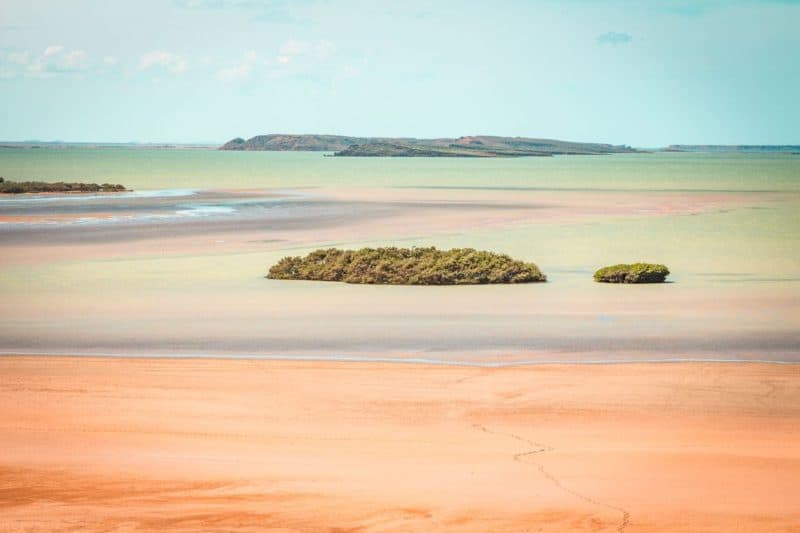
Cross the Desert of La Guajira to Reach the Top of South America
Kicking off this list of unique things to do in Colombia is as going as far north as North goes. Punta Gallinas is the most northern point in South America and lies at the end of the desert peninsula of La Guajira, on the border with Venezuela and still largely inhabited by indigenous Wayuu peoples.
Besides being able to say they’ve been to the end of the continent, travellers here are treated to some of the most unique landscapes in Colombia. Especially the Taroa Dunes which role into the sea is a breathtaking sight.
While it’s possible to book tour packages from Cartagena or Santa Marta, the more budget-conscious traveller will opt to arrive in Cabo de la Vela (which is worth a couple of nights stay as well) where they can book transportation to Punta Gallinas.
Tips: To reach Cabo de la Vela, first take a bus to Riohacha, then a colectivo to Uribia. From there you can find 4×4 transportation to Cabo de la Vela. Given the unmarked path through the desert, it is not recommended to try to do this on your own with a rental car.
Most tours from Cabo de la Vela include a night at Punta Gallinas in either basic cabin accommodations or in hammocks, a tour of the main sites nearby, and return transportation to Cabo de la Vela the next day. Staying an extra night can also be arranged.
See humpback whales in the Pacific Ocean
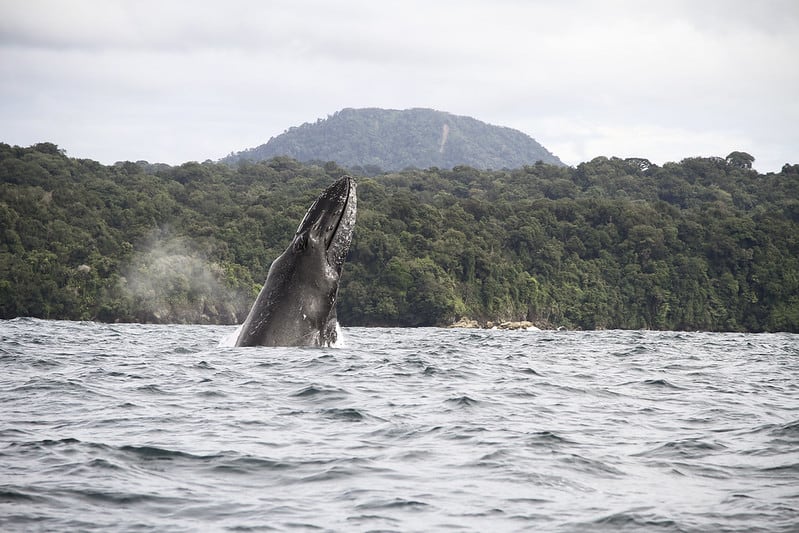
Another truly unique thing to do in Colombia is see the humpback whales that migrate from the Antarctic to the warm waters of the Pacific to mate. The season lasts roughly from July to October, but August and September are the best months.
There are a couple of good places to see whales. Bahía Solano is the easiest to reach and has become the most popular. Nuquí is another great choice with a gorgeous, unspoiled beach nearby. For the truly adventurous, Gongora Island is a truly wild place, though reaching it can be difficult and requires permission from the park service.
Bahía Solano and Nuquí are both reachable by plane from Medellín. It is also possible to travel by boat from the port city of Buenaventura, however safety concerns in Buenaventura and an often rough and long voyage make flying the best option for those that can afford it. There are higher-end eco-lodges and travel agencies that offer all-inclusive packages, although it is not necessary to book a package and most any hotel, lodge, or hostel in Bahía Solano or Nuquí should be able to set you up with a boat to go out and see the whales.
If you’re lucky, you might get to see one breach close by or perhaps see a mother and her calf!
relax at the san Bernardo islands
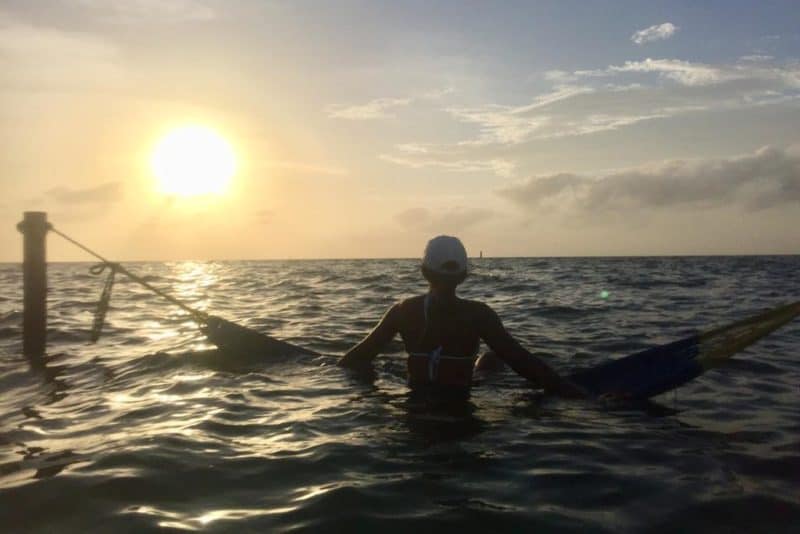
Many of Colombia’s Caribbean beaches like those of Tayrona or San Andres Island are well known. However, some lesser-known, and arguably even more beautiful beaches are in the San Bernardo Islands, the sister chain to the Rosario Islands off the coast of Cartagena. While frequented by Colombians in the know, they remain a lesser-travelled place by foreigners.
The islands can be reached by boat from the towns of Tolú or Rincón del Mar. Tolú is easily reached by bus from Cartagena or Medellín, and a stop here is a great way to break up bussing between these two more well-known destinations. It is also possible to reach the islands on the boat Tranq It Easy from Cartagena, which does one round trip per day.
There is everything from hostels to luxury eco-resorts on the main two islands of Mucura and Tintipán. Accommodations and food do tend to be more expensive here as things must be brought from the mainland. At the nearby island of Santa Cruz del Islote, you can see the most densely populated island on earth and even swim with nurse sharks if you like.
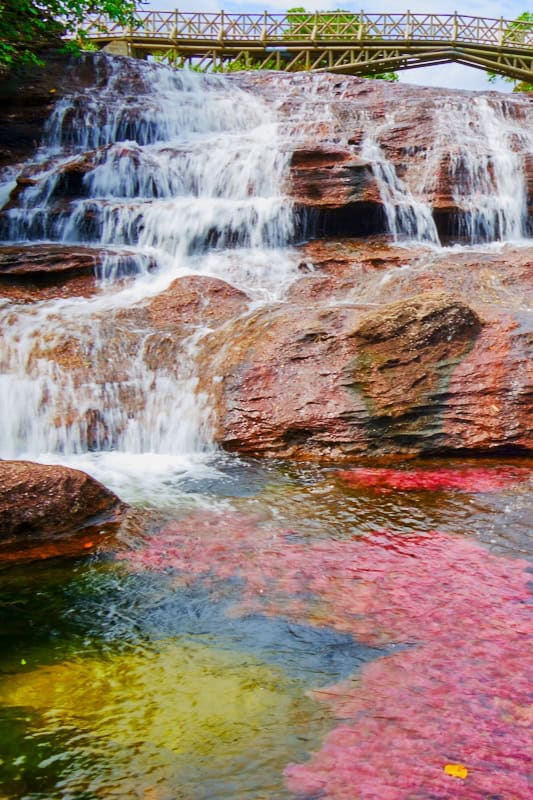
swim at cano cristales, the rainbow river
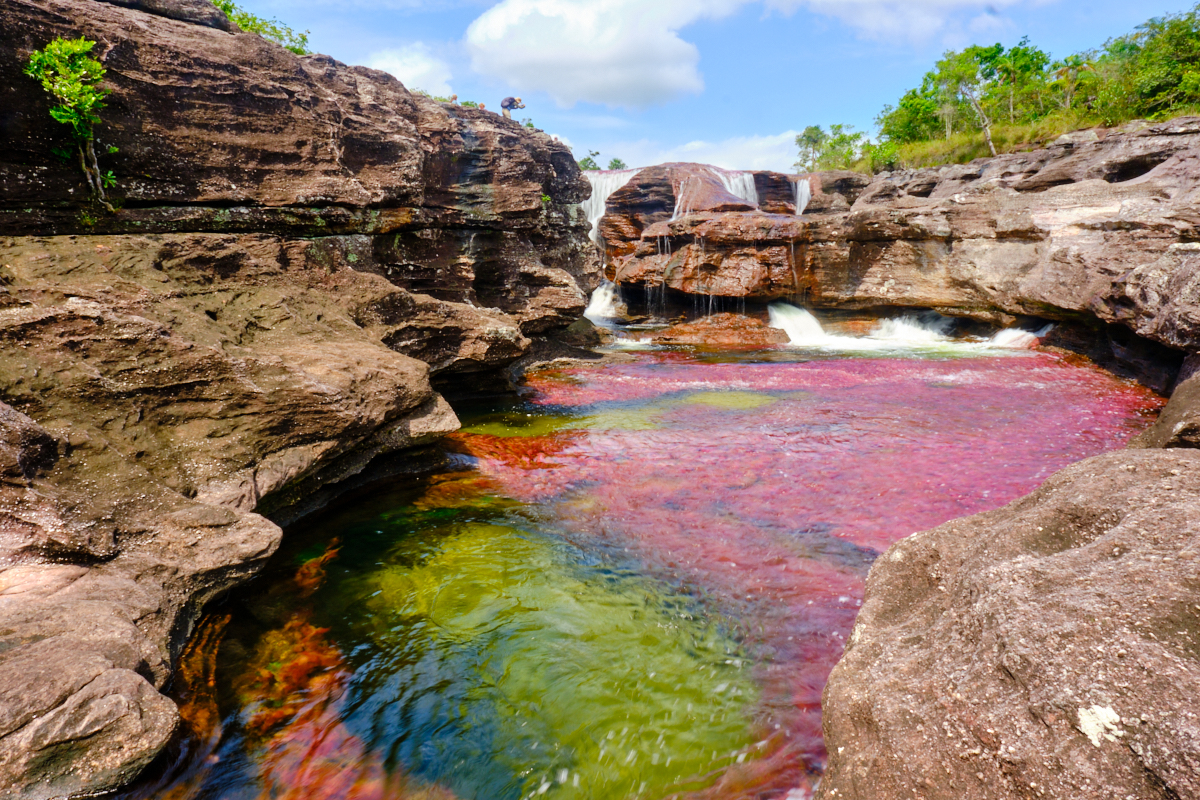
If you happened to see the recent Disney film Encanto, you might have noticed a river glowing with different colours. This is not just a fancy animation but is based on a real place in Colombia! An aquatic plant that only grows here and one other place in Colombia gives the river its colours and is one of nature’s most wonderful phenomena. Although remote and on the pricier side, Cano Cristales (also known as the river of Five colours) is undoubtedly one of the most unique things to do in Colombia.
Caño Cristales is located in the jungle-covered highlands south of Bogotá, near the small town of La Macarena (places to stay) along the Guayabero River. It is possible to reach La Macarena by 4x4s over dirt roads from San José del Guaviare or the town of San Vicente del Caugán in western Colombia, although this can be a long and bumpy trip.
You can also fly to La Macarena on the airline Satena or book a package that includes plane tickets, typically ranging from 3-5 days.
Tips: It is important to note that entering the national park where the Caño Cristales River is located requires you to be registered with one of the approved guides, who all work through local agencies. So, if you do come on your, own, you will need to coordinate entry into the park with an agency in La Macarena.
There are some other sites such as Caño Cristalitos (a smaller river where the same flower grows), Laguna del Silencio, and Caño Canoas nearby that can be visited by hiring a local guide independently, so more budget-minded travellers may want to arrange a package for a couple of days in the park and then ask around to hire guides and transportation to the other areas.
The river has its colour when the plants bloom from July to November, and the park closes during the offseason and depending on rainfall sometimes in late November. Given the fact that the park service limits entry and flights often fill up, it’s best to plan this trip at least a couple of months in advance.
While the hikes here are not too tough, travellers should be in good physical condition and shoes with a good grip like hiking boots and rain gear are recommended. Also, long sleeves and pants are a good idea as you cannot take sunscreen or insect repellant into the park to protect the ecosystem.

See the Beautiful Landscapes of Guaviare
For those looking for unique things to do in Colombia on a bit of a tighter budget and who want to combine lots of hiking with a rainbow river that is a bit easier to reach than Caño Cristales, staying in Guaviare is a great choice. Like La Macarena, Guaviare was once a zona roja, or conflict zone that has only recently become a tourist destination. While it’s quickly being discovered by Colombians, it is still relatively unknown to international travellers.
It is possible to fly to Guaviare, but it can also be reached by bus from Bogotá. Doing the 8-10 hour trip overnight is a great way to save some money on accommodations and give yourself a full day upon arrival at the fraction of the cost of flying.
It is also possible to book all-inclusive packages but is doable on your own even though some of the areas are best visited with guides who know the trails. The local agency Geotours del Guaviare offers a variety of organized day trips and packages. Many of the sites can also be visited by hiring transportation in town, although it may be hard to fit multiple things in the same day doing them on your own.
The highlights of Guaviare include seeing the prehistoric rock wall paintings at Cerro Azul. Though lesser visited, you can also see paintings at Nuevo Tolima and El Raudal del Guayabero. Cerro Azul and El Raudal also both offer incredible views from the tops of their hills.
There are also a number of unique rock formations in the area. The Puerta de Orión looks like something out of a science fiction movie, while the formations of Ciudad de Piedra look like the streets and buildings of a city built of rock. At Los Tuneles, you’ll feel like Indiana Jones walking through a labyrinth of closely packed rocks. Meanwhile, the Puentes Naturales look like bridges carved from stone high above a creek below. You’ll get to enjoy a number of waterfalls and swimming holes on many of these hikes as well.
At Caño Sabana, at the farm known as Tranquilandia, the flower that is found at Caño Cristales also grows. For those who want to see the colourful effect but do not have the budget for Caño Cristales, seeing it here is a great alternative. You can also have a refreshing swim at the Pozos Naturales, a series of swimming holes carved into a small river.
In short, there are a ton of things to see in Guaviare, and it is likely to eventually become one of Colombia’s most popular natural destinations but for now, remains one of the most unique places to go in Colombia.

Scale Prehistoric Rocks at the Cerros de Mavecure
If you have seen the Colombian film Embrace of the Serpent, you have seen the otherworldly-looking hills of Mavecure that appear in the closing scenes of the film. This group of 3 hills are part of the eastern edge of the Guiana Shield, a nearly 2 million old geological formation that dates to the Precambrian era.
The hills are located a couple of hours upriver southeast of the small town of Puerto Inírida, which is nearly on the border with Venezuela. Inírida is only reachable by plane from Bogotá and Villavicencio. For the truly adventurous, it may be possible to arrive here on your own and look for boat transportation to one of the indigenous communities near the hills such as El Remanso or El Venado where you may be able to find accommodations or camp.
However, a tour package makes this much easier and not only will make sure your accommodations and boat transportation are arranged ahead of time but also include a variety of other activities such as a visit to the union of the different nearby rivers to form the Orinoco that runs along the border, river dolphin spotting, and canopy in the forest.
For the hills themselves, the smallest, Mavecure, can be scaled with a combination of walking up steeply inclined rock and makeshift wooden ladders. From the top, you can see the other two, El Mono and El Pajarito across the river. On the other side of the two giants, you can hike up a smaller hill known as El Diablo, a good spot to see the sunset.
It’s best to plan to visit the Cerros de Mavecure during the dry season from December to February when the river is down, exposing sandy beaches and when there is greater visibility to take in the views of the hills. Locals have noticed that the weather has become more unpredictable in recent years due to climate change, so be sure to bring rain gear regardless. The hikes up the hills are also quite tough, so bring good shoes, preferably hiking boots and comfortable clothes.
Eat “big butt ants” in barichara
Trying different regional delicacies is one of the most unique things to do in Colombia, regardless of where you go. The most interesting may be the hormiga culona, which translates literally to big butt ant, a delicacy in the Santander province, especially in the town of Barichara.
These leafcutter ants have big butts because they are actually pregnant and in the March to May spring season they are common. Locals catch them and fry or roast them, eating them like peanuts. The roasted ones are better and they can often still be found out of season, although they aren’t as fresh.
They are supposedly high in protein and, according to local legend, are an aphrodisiac. With a dry, earthy, ironic taste, you might want to try just a small bag first and have a cold beverage on hand to wash it down.
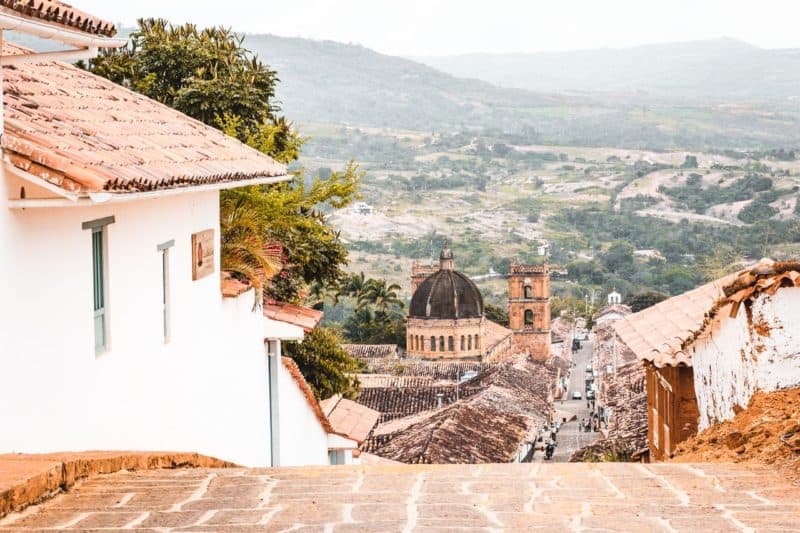
In addition to trying this unique food, the town of Barichara is worth a visit on its own. Considered Colombia’s prettiest small town, the cobblestoned streets and white adobe houses are charming. The nearby Chicamocha Canyon is also gorgeous.
Barichara can be easily reached by bus and is close to the popular extreme sports destination San Gil, while those looking to fly will want to head to Bucaramanga, the closest major city. If you are unable to make it to Barichara, sometimes you can find street vendors selling ants in other cities of Colombia. Trying them is one of the most unique things to do in Colombia without a doubt.
see marine fossils in villa de leyva
Villa de Leyva, a few hours east of Bogotá gives Barichara a run for its money as Colombia’s most gorgeous colonial town. Its cobblestoned central plaza is one of the largest in all of South America. The town has charming colonial architecture and some interesting places to see in the countryside nearby, including some of Colombia’s only vineyards.
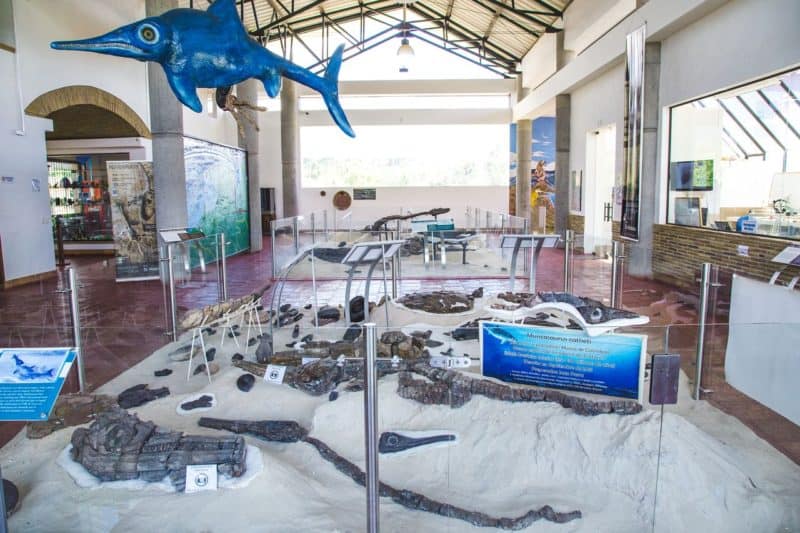
However, the neatest thing to see, and what makes it one of the unique places to go in Colombia is the variety of marine fossils found here. This area was a shallow sea million years ago, making it a rich habitat for prehistoric marine life. There are several museums nearby that show off some of the fossils found nearby, which include lots of ammonites of all sizes, but also prehistoric turtles, ichthyosaurs, and even the giant kronosaurus. The site known as El Fosíl houses one of the most complete kronosaur skeletons in the world and remains in the ground where it was found by a local field hand years ago.
Villa de Leyva can be easily reached by bus from Bogotá and is a popular weekend destination for Bogotanos escaping the big city, although it remains lesser travelled by foreign tourists. There are a variety of hotels here for all budgets but only one hostel, Selina. It’s possible to get taxis or rent a bike to visit some of the places around Villa de Leyva, like the museums out of town, the Pozos Azules or Casa Terracota.

ARE YOU ON PINTEREST?
What about saving this post to your Pinterest board?
Click on the photo to save this blog post for later. We are also on the platform and we love pinning great travel tips. Follow Tales From The Lens’ boards to see our latest pins.
Don’t be shy, come say hi!
Please note │ This blog post may also include affiliate links to hostels or products we recommend, which means if you buy something following a link on this page, we’ll get a small commission. This will be of no extra cost to you but will help us continue running this blog. Thank you for your support.
ABOUT THE AUTHOR
Adam– Guest Writer
Adam McConnaughhay lived in Cartagena, Colombia from 2011 to 2021 and had the pleasure to visit all of these places and many more in Colombia at that time. He writes about Cartagena and other destinations in Colombia at CartagenaExplorer.com.
Those are some interesting things to do. The prehistoric rocks look so unreal.
An excellent selection of places to know in Colombia!
Thank you very much for a perfect post about unique and unusual things to do in Colombia. The hills of Mavecure looks beautiful through your eyes and we will definitely put it on our bucket list. How many days would you recommend us to stay there? Thank you very much for your respond. Martina & Andrej.x x