
Santa Cruz de la Sierra is often overlooked by travelers focused on Bolivia’s more famous highland destinations. Still, it’s also the country’s fastest-growing city and a surprisingly enjoyable place to slow down. With year-round warm weather, a tropical vibe, and none of the altitude issues, Santa Cruz is where Bolivia shifts gears.
If you’re passing through on your way to the Amazon or looking for a different side of the country, we genuinely recommend spending a few days here. And to help you plan your visit, here’s a full breakdown of the best things to do in Santa Cruz de la Sierra.
Santa Cruz de la Sierra, a Great Place to chill
Unlike the western side of Bolivia, the region of Santa Cruz, Bolivia, has never been a particularly popular tourist destination for travelers who prefer visiting Bolivia’s iconic Uyuni Salt Flats, the high-altitude Lake Titicaca, or the chaotic city of La Paz.
However, this forgotten part of the country is both the entrance to numerous national parks, where it is possible to spot Jaguars, and is becoming a base to visit the most laid-back town in Bolivia, Samaipata, or to continue journeying to the Amazon, Tarija, or Sucre.
The eastern side of Bolivia is drastically different from the highlands of the west. Here, there is no altitude sickness and no issues sleeping (except for the heat). On this side of Bolivia, the Cordillera mountains have already turned south towards Chile, and the country is slowly sinking into the swamplands of El Chaco and the Pantanal.
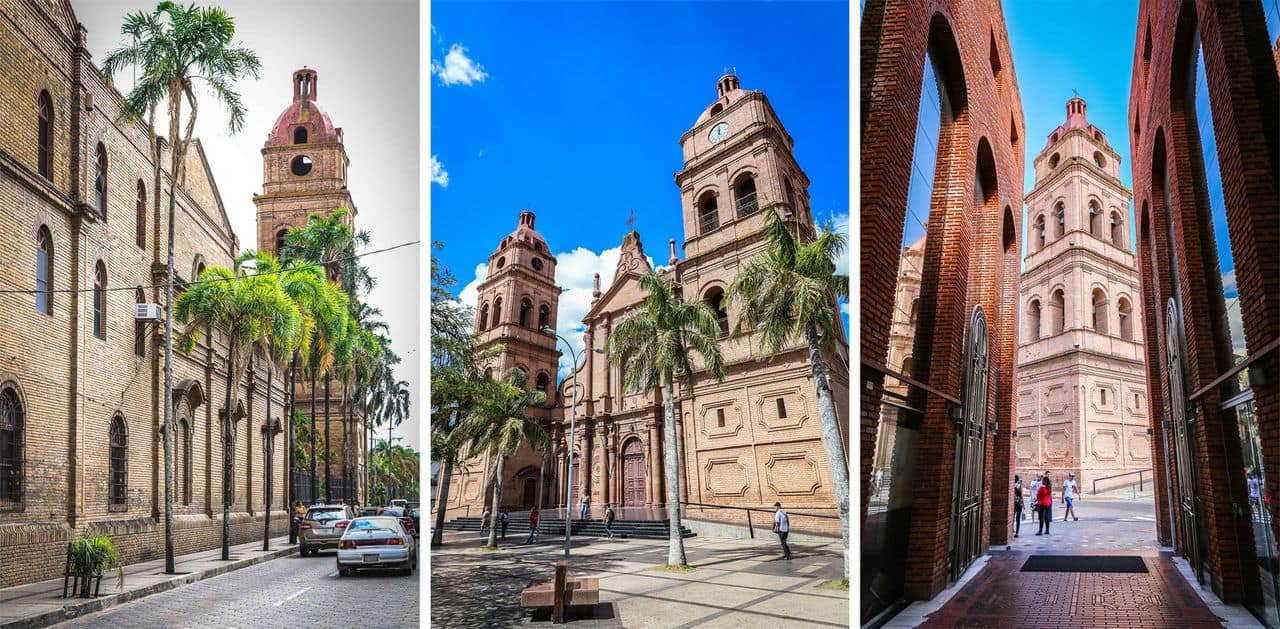
Thanks to this low altitude, around 800 meters above sea level (masl), the weather is much more enjoyable. The evenings are finally warm enough to wear shorts and forget the hats, jackets, and scarves.
I am not sure if it’s due to the weather, but Santa Cruz de la Sierra, more commonly known as Santa Cruz, is also a much richer part of the country, where many radio and TV companies have established their headquarters. With higher-ranking jobs, many Bolivians have moved here from La Paz, seeking the security of better infrastructure, including brand-new skyscrapers, fancy hotels, and a rich upper-class nightlife.
As surprising as it may be, Santa Cruz is also quickly becoming one of the most attractive cities for international companies in South America, likely due to its affordable cost of living and the daily direct flights linking it to a few European capitals.
Best Things to Do in Santa Cruz de la Sierra
Santa Cruz isn’t the kind of place where you need a strict itinerary. It’s the kind of city that invites wandering through shady plazas, lively markets, and unexpected green spaces. Below are our favorite things to do in Santa Cruz de la Sierra, including a few we stumbled on by accident and others we wished we’d known about earlier.
Visit the Main Square and Its Beautiful Cathedral

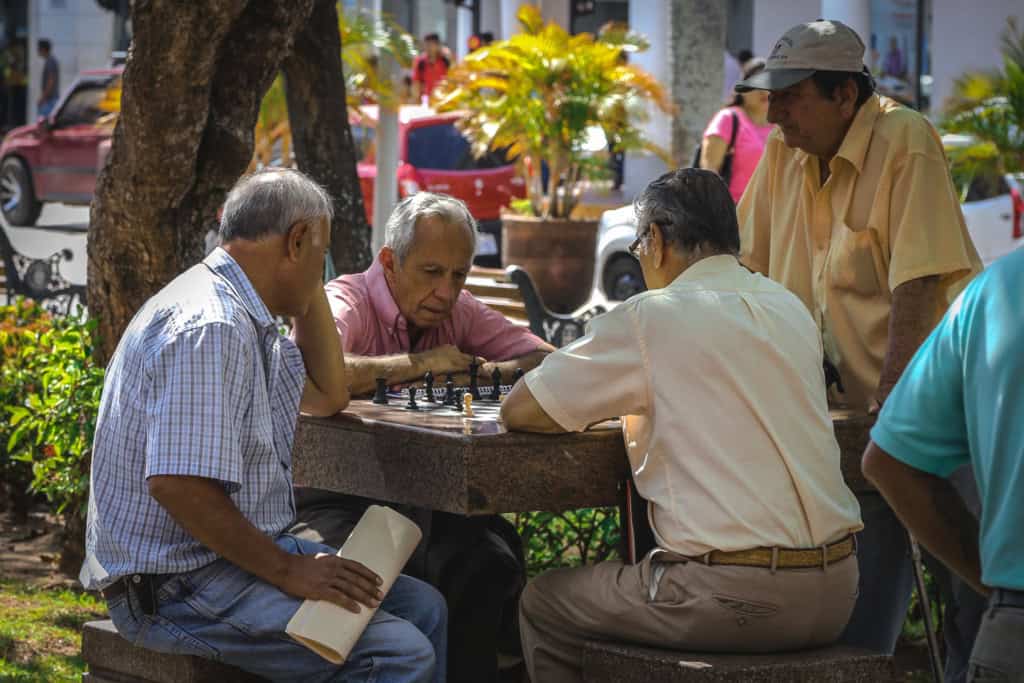
Contrary to La Paz, Santa Cruz is relatively flat and can be explored on foot in half a day. The main square, Plaza 24 de Septiembre, is where everything starts, and often where it ends, too. Locals gather here in the morning to play chess, in the afternoon for shade, and in the evening to cool off and people-watch.
We loved sitting on the benches with a Vaca Fría ice cream in hand (try the maracuya flavor!) and watching kids chase pigeons while older folks played chess under the trees.
The centerpiece of the plaza is the Cathedral Basilica of St. Lawrence, with its two towers, red brick facade, and photogenic bell tower. If you’re lucky, the doors will be open and you can climb to the top for a sweeping view of the city.
Location: Plaza 24 de Septiembre, city center
Cathedral opening hours: Typically open daily, but (from experience) the access to the bell tower hours is inconsistent
Tour: You can join this walking tour to learn more about Santa Cruz de la Sierra.
Tip: After your visit, explore the streets around the plaza. Some of Santa Cruz’s best cafés, bookstores, and artisan shops are tucked into the old colonial buildings nearby.
Cost: Free to enter; bell tower access is around €0.40
Find the Geographical & Poetic Center of South America
This one’s a bit quirky, but we’re glad we made the detour. According to locals in Santa Cruz, known as Cruceños, the city sits near the geographical center of South America.
If you look at a map and trace a line from east to west and north to south, the point where they intersect lands surprisingly close to Santa Cruz. So, naturally, we had to find the spot!
It took us a bit of walking, some second-guessing, and a quiet residential detour before we found Plazuela Callejas, the official “center.” What you’ll see is a small square, a metal cross, and a signpost showing the distance to major cities across the continent.
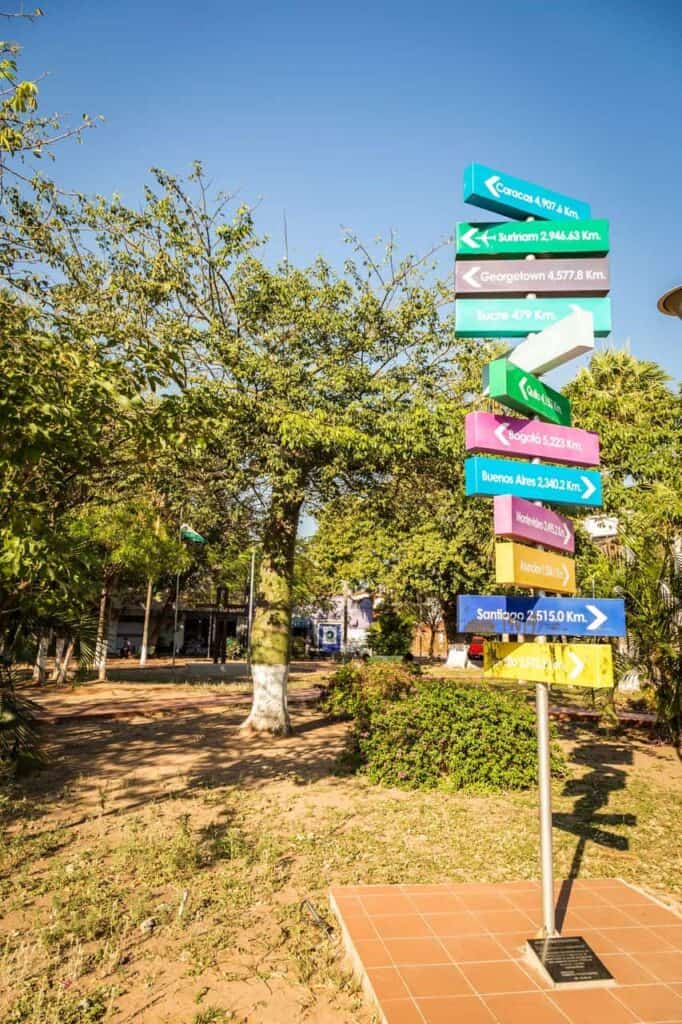

At the base, there’s a plaque calling this place the “poetical heart of South America“. Don’t expect a major landmark or tourist crowds, but it’s a peaceful stop if you’re in the area and curious about this continental oddity.
Location: Plazuela Callejas, about a 15-minute walk from Plaza 24 de Septiembre
Hours: Open 24/7
Cost: Free
Visit the Santa Cruz Botanical Gardens
Santa Cruz isn’t short on green spaces, but the Jardín Botánico just outside the city was one of our favorite spots for a quiet walk and a bit of nature.
We’d heard it was a good place to spot sloths, and while we didn’t get lucky (they’re surprisingly good at hiding), the peaceful trails, fluttering butterflies, and unexpected birds more than made up for it.

The gardens span over 180 hectares and feature numerous shaded walking paths, expansive grassy clearings, and diverse native plant collections. The space feels more like a nature reserve than a manicured city park, and it’s easy to spend a few hours here just wandering without a plan.
One highlight (depending on your tolerance for shaky structures) is the wooden lookout tower, a rickety platform above the trees that sways in the wind but delivers a great canopy view.
Location: About 12 km northeast of Santa Cruz; accessible by bus or taxi
Hours: 7 a.m. to 4 p.m. daily
Tip: Bring water, mosquito repellent, and patience if you’re hoping to spot sloths. They’re usually curled up high in the trees, nearly invisible unless they move.
Cost: €1.30 for foreigners
Visit Biocentro Güembé Mariposario
If you’re looking for a full day of relaxation with a splash of nature and a few surprises, Biocentro Güembé Mariposario is worth the short trip from town. This private eco-resort, located just outside Santa Cruz, seamlessly blends botanical gardens, animal exhibits, and swimming pools into one sprawling, tropical setting.
The main attraction is the largest butterfly dome in South America, home to dozens of butterfly species fluttering around flowering plants and small waterfalls. But that’s just one part of the park. Güembé also includes a small aviary, an orchid collection, walking trails, and a turtle pond.
There are hammocks and shaded benches throughout the property if you want to relax, or you can cool off in one of the on-site pools.
It’s a popular spot for families, especially on weekends, but the grounds are large enough that it rarely feels crowded. You’ll definitely want at least half a day to see everything. We didn’t stay overnight, but day visitors are welcome.
Location: Km 7 on the road to Porongo; about 20 minutes from central Santa Cruz
Hours: 8:30 a.m. to 5:30 p.m. daily
Tip: Go early if you want to enjoy the grounds before the midday heat. Towels, lockers, and food are available on-site, so you can make a day of it.
Cost: €18 for adults; discounted rates for children and locals.
Explore Manzana Uno Espacio de Arte
Right in the heart of Santa Cruz, just a short walk from the main plaza, you’ll find Manzana Uno, an open-air art space that feels more like a hidden garden than a gallery. Visitors love this spot, not just because it’s free and shady, but because it gives a glimpse into Santa Cruz’s creative scene without feeling pretentious.
It was created to make art more accessible to the public and often features temporary exhibits, large-scale murals, sculptures, and photography installations. The space is designed for wandering and pausing, with benches, shaded walkway,s and creative displays integrated into the surrounding environment. It also serves as a venue for cultural events, including workshops, music performances, and community markets.
Manzana Uno is open year-round and makes for a quick cultural stop if you’re exploring the city center. The atmosphere is quiet and relaxed, and no booking is required.
Location: Corner of Independencia and Velasco, one block from Plaza 24 de Septiembre
Hours: 9 a.m. to 9 p.m. daily
Tip: Check their website or social media pages for current exhibits and event schedules if you’re hoping to catch a performance or weekend market.
Cost: Free
Go to a Market
One of the things we enjoyed most about Santa Cruz was exploring its massive local markets. These aren’t polished or tourist-oriented: they’re loud, busy and bursting with color. Whenever we were shopping for clothes, picking up fruit or just wandering through the stalls, each market had its own personality. Here’s a look at three we visited.
Market Barrio Lindo
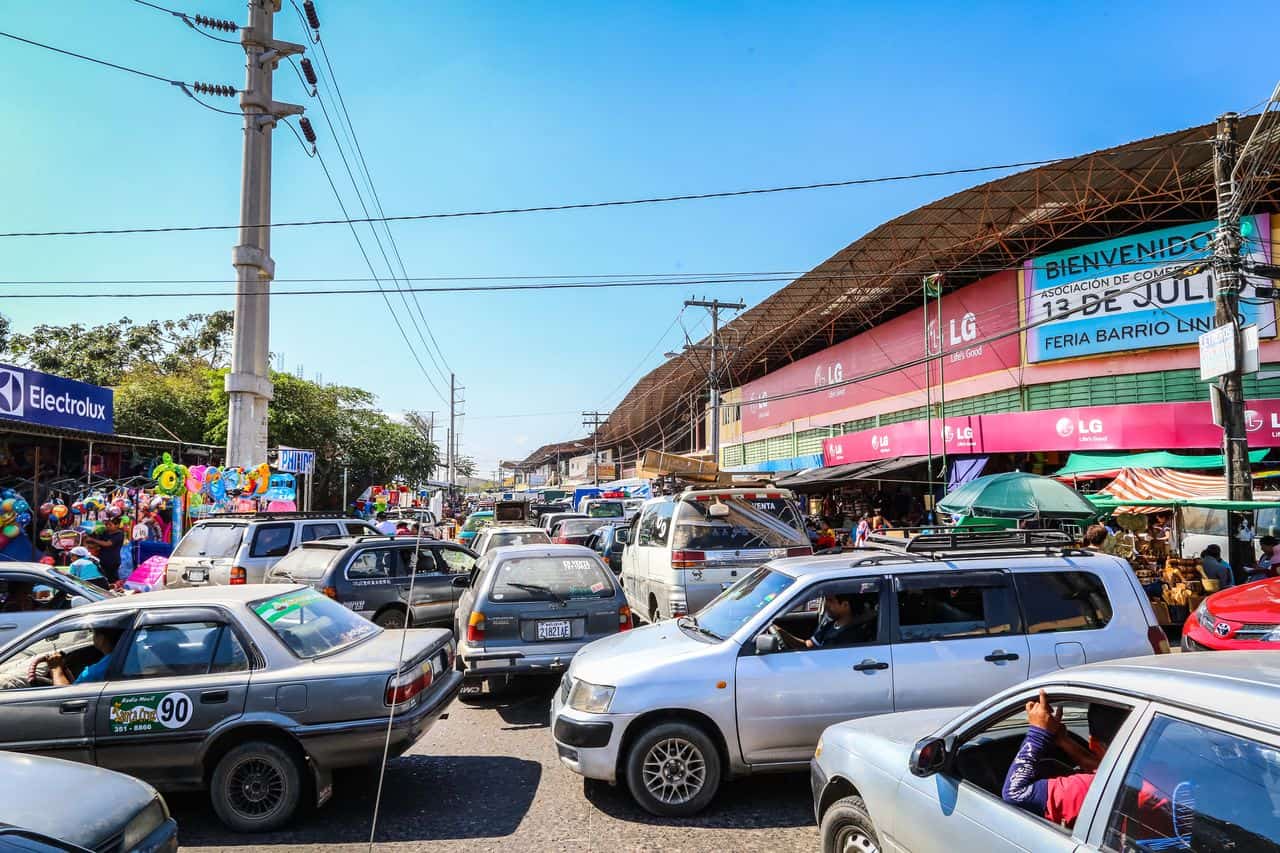
This sprawling market is the place to go if you need clothes, electronics, household items or pretty much anything else. It has thousands of stalls and is very local. After spending weeks in freezing altitudes, we were just excited to buy cheap shorts and dresses so we could cool down.
The market is chaotic, crowded and not at all touristy, which is part of what makes it so memorable. If you’re in Santa Cruz on a Wednesday or Saturday, it’s absolutely worth the trip.
Location: East of the city center; take bus #45 (about 30 minutes)
Hours: Open Wednesdays and Saturdays, roughly 9 a.m. to 6 p.m.
Tip: Come with cash and be ready to bargain. It’s easy to get turned around, so drop a pin or take a photo of your entrance.
Market Los Pozos
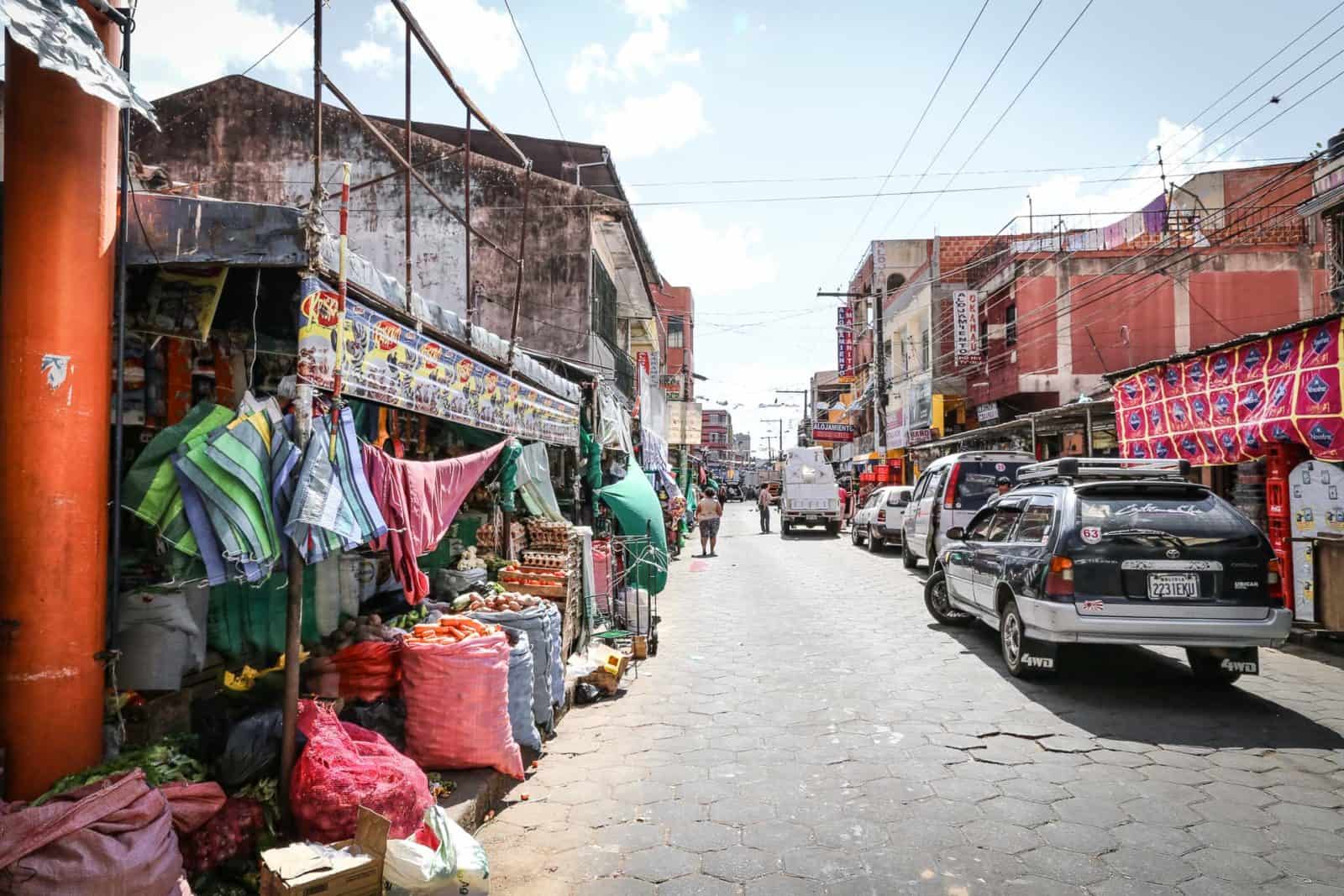
Closer to the city center, Los Pozos is where we went for fresh food: fruits, vegetables, meat, and fish, all for just a few bolivianos. The market spills into surrounding streets, and it’s easy to get lost wandering through the maze of vendors and shops.
This is also a good place to spot Mennonites, who stand out in their distinctive clothing and often come into town to stock up on supplies. We’d heard to watch for pickpockets, but we didn’t have any problems.
Location: Near Parque El Arenal
Hours: Daily, busiest in the morning
Tip: Keep valuables secure and avoid bulky bags. It gets very crowded, especially on weekends.
Mercado Nuevo

For a local lunch, Mercado Nuevo is a solid bet. Located at the corner of Sucre and Aroma, this market is packed with food stalls offering Bolivian favorites like saice, silpancho, lomito and milanesa. I came here often as the meals were cheap and always filling.
Location: Corner of Sucre and Aroma
Hours: Daily, best for lunch – Cost: Dishes from €0.65 to €1.30
Tip: Stick to the stalls with the longest lines, they’re usually the best!
Buy souvenirs at the artisanal market La Recova
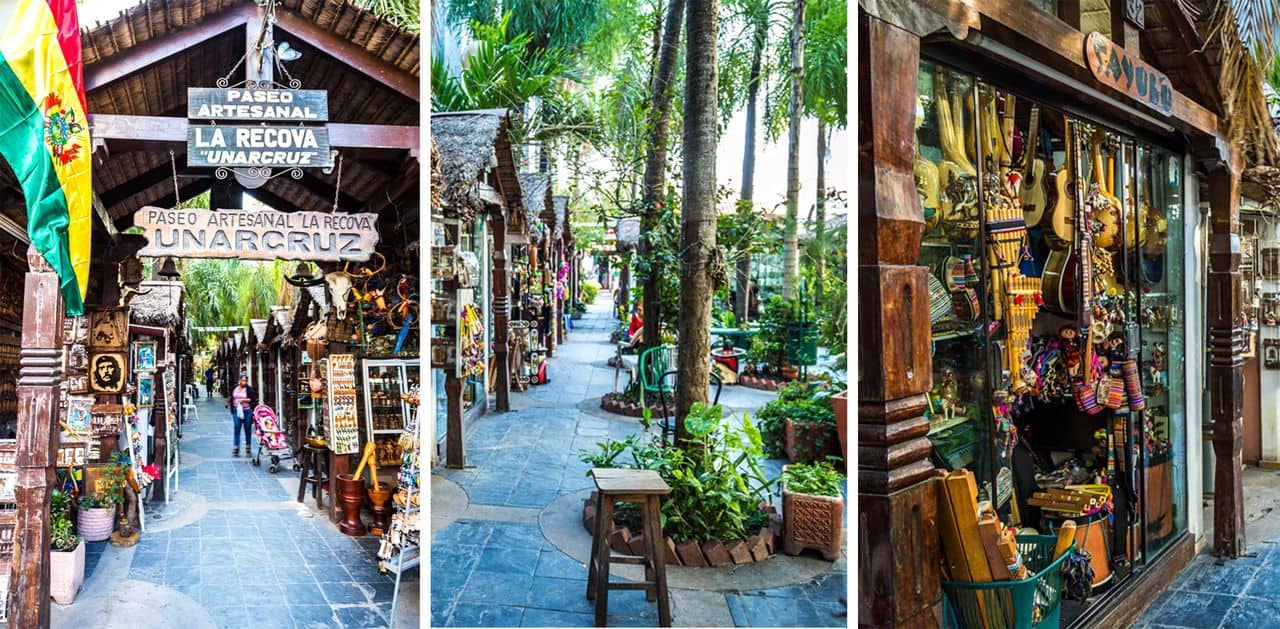
If you’re looking to pick up souvenirs in Santa Cruz without the usual hassle, La Recova is a quiet and shaded option near the city center. The market is made up of small wooden huts under tall trees, giving it a relaxed and almost tropical feel. Unlike some of the more aggressive markets elsewhere in Bolivia, no one here pressured us to buy anything, which made the browsing experience much more pleasant.
You’ll find all the usual handmade goods (woven textiles, leather, ceramics, etc.) alongside a few more unique items that reflect the local history and culture. We spotted references to Trapiche and even a few Che Guevara-themed pieces. Prices were comparable to those in other markets around the country, but the setting made it one of the more pleasant spots to shop.
Location: Near Plaza 24 de Septiembre, on Calle Libertad
Hours: Typically open daily, late morning through late afternoon
Tip: Don’t skip the shaded benches! This is also a good spot to take a break from the heat, especially in the early afternoon.
Look for the Mennonites of Santa Cruz

One of the most unexpected sights in Santa Cruz is the local Mennonite community, who are easily recognizable due to their distinctive clothing and lifestyle. The men typically wear overalls, plaid shirts, and cowboy hats, while the women dress in long, solid-colored dresses with aprons and head coverings.
They stand out from other Bolivians and often keep to themselves, but you’ll occasionally see them shopping in the city’s larger markets.
The Mennonites in Bolivia have a long and complex history. Their roots trace back to Russia, though they later moved to the Netherlands and Belgium. In search of religious freedom, many relocated to Canada, then Mexico, and eventually Bolivia and Paraguay by the early 20th century.
Most now live on isolated farms where they rely on agriculture, homeschooling, and manual labor, with limited use of modern technology.


We spotted several Mennonites in Market Los Pozos, especially on the edges of the market where it’s less busy. They usually come into town to stock up on supplies, but tend to avoid the city center.
Here are a few galleries and articles for those interested in learning more about the Mennonite community. They surprised us and made us curious to learn more about them.
- The Mennonites of Bolivia – in pictures– The Guardian
- Step Back in Time With the Mennonites of Bolivia – National Geographic
Visit a Museum
Santa Cruz may be known more for its parks and plazas than museums, but the city has a few cultural spots worth checking out if you want a better sense of its history, a,rt and architecture. Most are located in or near the city center, so they’re easy to visit as part of a walking tour.
Santa Cruz Regional History Museum
Located within an old colonial building, this museum provides a small yet informative glimpse into the city’s past. Exhibits include historical maps, colonial artifacts, and photos that show how Santa Cruz grew from a quiet outpost into Bolivia’s economic capital. Labels are primarily in Spanish.
Museum of Contemporary Art
This museum features rotating exhibitions of Bolivian and international artists working in photography, sculpture, painting, and mixed media. It’s one of the city’s more modern spaces, often hosting events and workshops as well.
Melchor Pinto House Cultural Center
Once the home of a local doctor and intellectual, this beautifully preserved building is now a free cultural center. It often hosts public talks, art shows, and pop-up events in its leafy courtyard.
Altillo Beni Town Museum
This museum is situated within a restored 20th-century mansion that was on the verge of demolition in the 2000s. Now open to the public, it offers a glimpse into Santa Cruz’s architectural past and the lifestyle of its early elite.
Location: All museums are within walking distance of Plaza 24 de Septiembre
Hours: Vary by museum, typically open Tuesday to Saturday, mid-morning to late afternoon
Tip: Museums in Santa Cruz are often quiet and uncrowded, so don’t be surprised if you have the space to yourself. Check for current exhibits online or ask at your accommodation.
Cost: Most charge a small entrance fee, or are free
Discover the Bolivian Wildlife at the Municipal Zoo
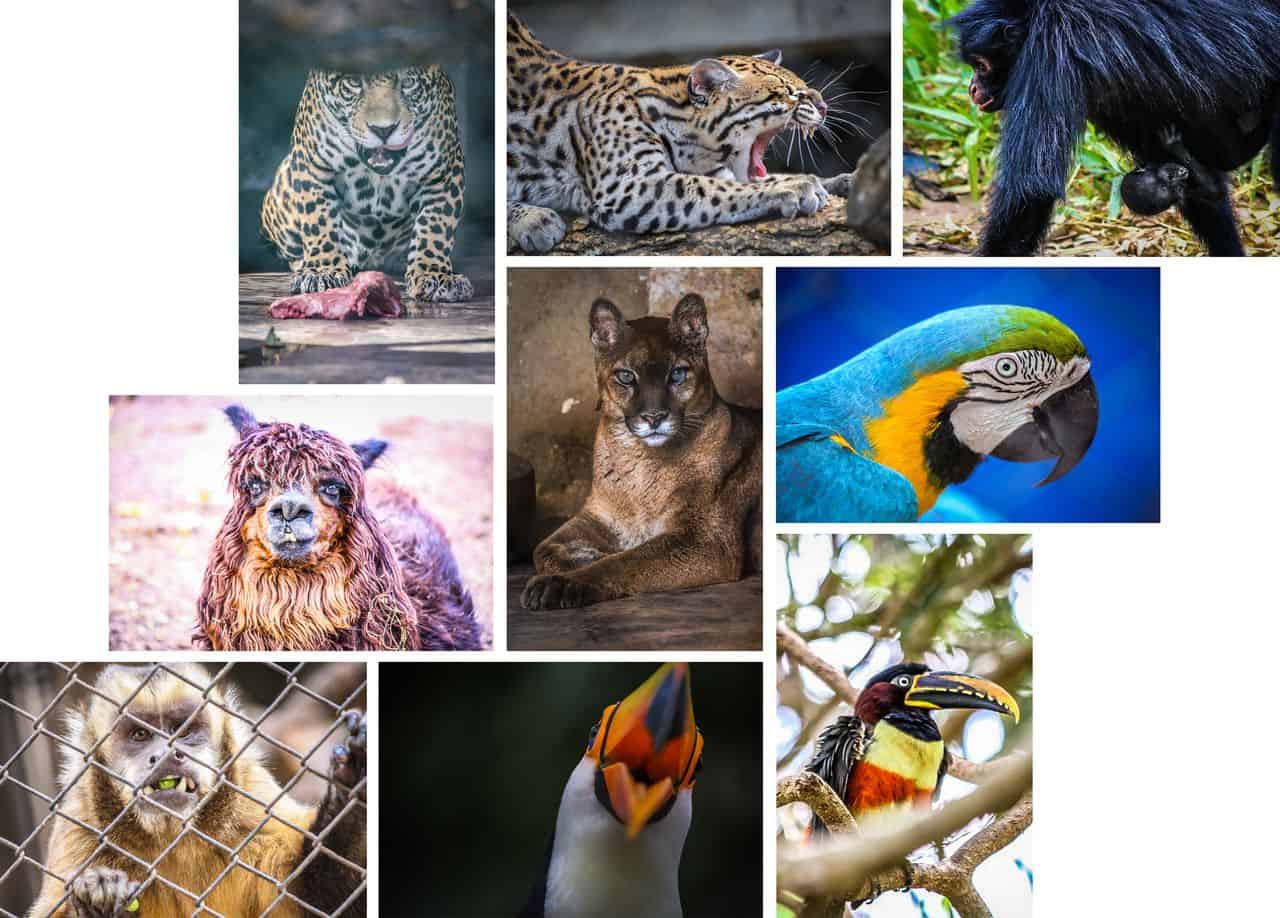
The Santa Cruz Municipal Zoo is large, affordable, and focused on native Bolivian species, but it’s also a somewhat mixed experience. While the park itself is spacious and informative, some of the enclosures, especially at the entrance, are small and difficult to see past. We were especially disappointed to see jaguars and pumas in such confined spaces.
That said, there are parts of the zoo that stood out in a good way. The aviary was one of the highlights. You can actually walk through the space as macaws and toucans fly right past you. It’s one thing to spot a toucan from afar in the wild, but another to see one up close and learn more about its habits and role in the local ecosystem.
I appreciated that the zoo focuses on education and conservation, especially for kids and families who may not otherwise have the opportunity to see these animals in the wild. It’s definitely not a replacement for seeing wildlife in national parks, but it can be a convenient and low-cost way to learn more about Bolivia’s biodiversity.
If you’re hoping to see animals like monkeys, capybaras, or anacondas in the wild, consider combining your visit with a multi-day jungle experience. A good next step is to head to Rurrenabaque and the Bolivian Amazon for a true wildlife immersion in Madidi National Park and the Pampas.
Location: Parque Zoológico Municipal Noel Kempff Mercado, Avenida Roca y Coronado
Hours: 9 a.m. to 6 p.m. daily (note: ticket office may close for lunch)
Tip: Go early in the day to avoid the heat and see animals when they’re most active. Bring water, there isn’t much shade near some enclosures.
Cost: €1.30 for foreign visitors
Day Trips and Weekend Getaways from Santa Cruz
One of the best things about basing yourself in Santa Cruz is how easy it is to get out of the city. Within a few hours, you can find yourself hiking through cloud forests, spotting wildlife on a conservation ranch, or even sandboarding down giant dunes. These are our favorite day trips and weekend escapes that show off the natural beauty of eastern Bolivia.
Sandboard Down the Dunes of Parque Lomas de Arena
Just 12 kilometers from downtown Santa Cruz, Parque Regional Lomas de Arena feels like another planet. This protected area is best known for its massive dunes (some up to 15 meters high) surrounded by wetlands, forests, and grasslands. The contrast between golden sand and green vegetation is striking, especially in the early morning light.
The sandboarding is fun (boards are available for rent on-site or can be brought in), but even just climbing the dunes and enjoying the view is worth it. There’s no infrastructure beyond a ranger station and parking area, so come prepared.
This isn’t an overly touristy place. If you visit on a weekday, you’d have the dunes entirely to yourself. It’s popular with locals on weekends, though, so time your visit accordingly if you’re after peace and quiet.
Location: 30 to 45 minutes south of Santa Cruz by taxi or 4×4
Hours: 8 a.m. to 5 p.m. daily
Tip: You’ll need a 4×4 vehicle to reach the dunes themselves. If you don’t have one, arrange a tour or be prepared to hike in from the park entrance, which is approximately 1.5 hours each way.
Cost: €2.60 entry fee, paid in cash at the ranger station
Spend a Weekend in Samaipata
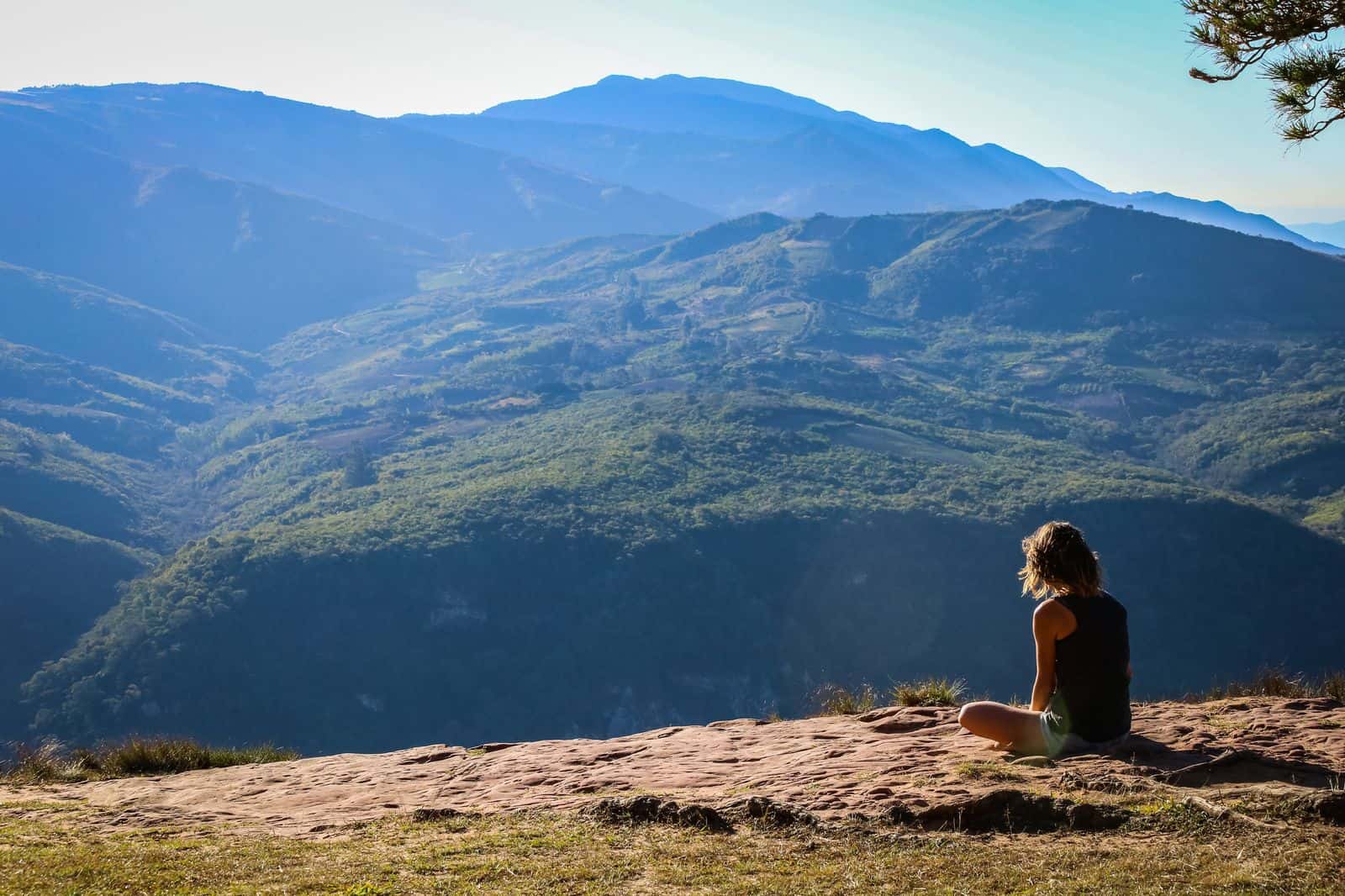
Tucked into the foothills of the Andes about three hours from Santa Cruz, Samaipata is a small town with a big reputation among travelers. It’s laid-back, surrounded by nature, and packed with cafes, restaurants, and day trips that make it easy to stay longer than planned.
The highlight for most visitors is El Fuerte de Samaipata, a UNESCO World Heritage Site and pre-Columbian archaeological complex built into a massive rock formation. The site combines Inca, Amazonian, and local Chane cultural influences. The views over the valley are also quite spectacular.
There are also several waterfalls nearby, including Las Cuevas, a peaceful spot where you can swim and picnic between short hikes. If you’re more into slow travel, Samaipata is the kind of place where you can spend your days sipping coffee, reading on a terrace, or chatting with locals in the plaza.
Check out our complete guide to Samaipata, including places to stay and how to visit the nearby section of Amboró National Park.
Location: About 120 km southwest of Santa Cruz
How to get there: Shared taxis known as trufis leave from Avenida Omar Chávez, near the old bus terminal in Santa Cruz. They depart when full (usually 4–7 passengers) and cost around €4. The ride takes two to three hours. Private taxis and occasional buses also run the route, but are less frequent.
Tour: You can join this day trip to Samaipata from Santa Cruz if you don’t have the time to stay for a few days. It includes a stop at El Fuerte, Codo de los Andes and a walking tour of the town.
Tip: The road to Samaipata is winding and not always in great shape. If you’re prone to motion sickness, bring medication. Trucks tend to be faster and more comfortable than local buses.
Cost: Entry to El Fuerte is around €4
Hike in Amboró National Park
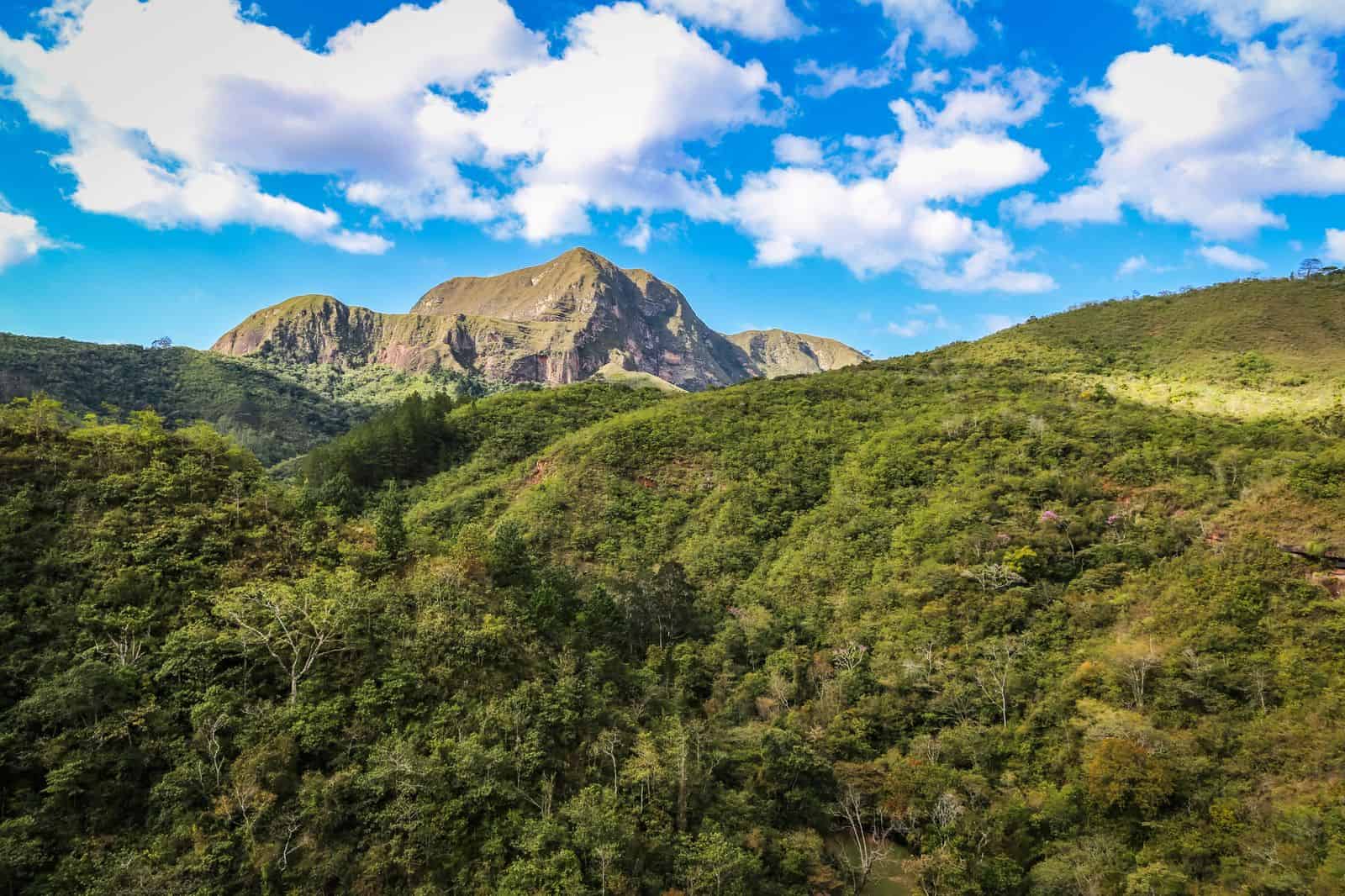
If you’re into biodiversity, Amboró National Park is a must. It’s one of the most ecologically rich areas in the world, sitting at the intersection of three distinct ecosystems: the Amazon Basin, the Andes, and the Chaco. The result: more than 900 species of birds, hundreds of mammals, and landscapes that range from cloud forest to giant ferns to open savanna.
I didn’t manage to explore the entire park (Amboró is huge!). The main entry points are from Samaipata and Buena Vista, each offering different trail options and scenery. Samaipata gives access to the cloud forest section in the south, while Buena Vista is better for tropical rainforest hikes and birdwatching.
Most trails are only accessible with a guide, both for safety and navigation. Tours can be arranged in Santa Cruz, but it’s often cheaper and easier to organize one locally from the town closest to the trailhead.
Popular routes include the Giant Fern Forest (where some of the ferns are taller than people), La Yunga Trail, and Cerro Amboró, which offers sweeping views if the weather cooperates.
Location: Park access via Samaipata (south) or Buena Vista (northwest)
Hours: Tours typically leave in the morning and return late afternoon
Tours: This private overnight tour from Santa Cruz includes a guided trek and a night at Refugio Los Volcanes Lodge
Tip: Bring good shoes, rain protection, and cash. There are no ATMs near the trailheads. Conditions can change fast, so check the weather the night before.
Cost: Entry fee is around €3; guided day hikes range from €20 to €40 depending on the route and group size
Visit San Miguelito Jaguar Conservation Ranch
If you’re hoping to see big cats in the wild, San Miguelito Jaguar Conservation Ranch offers a rare chance to do just that. Located approximately 190 kilometers east of Santa Cruz, this working cattle ranch also serves as a conservation project and has become part of Bolivia’s “Jaguar Route” initiative.
The ranch protects a large area of Chiquitano dry forest, which is prime habitat for elusive species such as jaguars, pumas, ocelots, and more. Visitors can join multi-day trips that include nature hikes, 4×4 night drives, wildlife tracking using camera traps, and even canoe outings. Lodging and meals are included, and the small guesthouse accommodates only a few people at a time to maintain a quiet and personal experience.
Wildlife sightings aren’t guaranteed, but this is one of the few places in Bolivia where tracking a jaguar is a real possibility. Even without a sighting, the forest is rich in biodiversity, and the ranch staff are passionate about their work.
Location: About 3 to 4 hours east of Santa Cruz by private transport
Hours: Tours typically run 1 to 3 days
Tip: Bring sturdy shoes, binoculars, and layers of clothing. Temperatures drop in the early morning. Book well in advance if you are traveling during high season.
Cost: Packages start around €54 for 3 days, 2 nights (includes transport, meals, and lodging)
Visit a National Park to Look for Wildlife
Santa Cruz is the best jumping-off point in Bolivia for visiting some of the country’s wildest and most remote national parks. If you’re serious about wildlife watching, especially jaguars, giant anteaters, or macaws, this is where things start to get interesting.
While Amboró is the easiest to reach, other parks farther afield are also worth considering if you have the time and budget. These are remote, rugged, and mostly accessed via guided multi-day tours.
Kaa Iya National Park
One of the least-visited parks in South America, Kaa Iya is renowned for having one of the highest jaguar densities in the world. The park is massive and largely undeveloped, with dry forest and savanna landscapes. You’ll need to go with a registered tour operator, as self-guided travel is not permitted.
Tours usually include 4×4 transport, camping gear, food, and guides. Wildlife sightings include jaguars, pumas, giant armadillos, and tapirs.
Tip: This is not a casual trip, so expect rough roads, camping, and no mobile signal. Bring insect repellent and binoculars.
Cost: From €250 to €400 for 2–3 day tours
Noel Kempff Mercado National Park
A UNESCO World Heritage Site, Noel Kempff is one of Bolivia’s most biodiverse parks, with landscapes ranging from rainforest to savanna to waterfalls. Getting here is complicated: either a small charter flight or a very long, multi-day overland journey. Because of its isolation, it receives very few visitors, but the scenery is spectacular.
Location: Northeastern Bolivia, near the Brazilian border
Hours: Best visited on a 4- to 6-day tour
Tip: Go during the dry season (May to October) when river levels and trail conditions are most stable.
Cost: Varies widely depending on transport and operator; expect €500 and up
El Chaco
This hot and dry region stretches southeast toward Paraguay and is more of a rugged expanse than a formal park, though it does include protected reserves. It’s not a common tourist destination, but some ecotourism operators offer trips focused on birdwatching and herping (reptiles and amphibians).
Cost: Varies depending on tour focus and location
The Pantanal (Brazilian Side)
While technically across the border in Brazil, the Pantanal is accessible from Santa Cruz via the town of Puerto Quijarro and onward to Corumbá. It’s one of the best places in the world to see jaguars in the wild, and several reputable tour operators run multi-day safaris by boat or 4×4.
Location: Border area between Bolivia and Brazil
How to get there: Train or bus to Puerto Quijarro, then cross into Brazil
Tip: You’ll need to carry your passport and potentially arrange a Brazilian visa depending on your nationality. Book in advance during the dry season (July to October).
Cost: Pantanal tour prices typically start at €300 for 3 days, including meals and transport

ARE YOU ON PINTEREST?
What about saving this post to your Pinterest board? Click on the photo to save this blog post for later.
We are also on the platform, and we love pinning great travel tips. Follow Tales From The Lens’ boards to see our latest pins.
Don’t be shy, come say hi!
Please note │ This blog post may also include affiliate links to hostels or products we recommend, which means if you buy something following a link on this page, we’ll get a small commission. This will be of no extra cost to you but will help us continue running this blog. Thank you for your support.

About the Author
Jen is the Funder, Author & Photographer behind Talesfromthelens.comJen has lived for the past 15 years across Oceania and Ireland while also travelling in Latin America, North America, and Europe. She has visited more than 65 countries and set foot on every continent in the world! She is a coffee nerd, passionate about photography, wildlife, and outdoor activities.
For more info, check out the About page.