

DISCOVER THE BEAUTIFUL COUNTRY OF CHILE
With its active volcanoes, deep fjords, dry deserts and clear blue lakes, it’s no surprise that Chile was elected by the Lonely Planet as the top country to visit in 2018. For our trip, we travelled through Chile at a slow pace, spending a total of 78 days (almost 3 months), and we can only agree with this recognition. The country offers so much that backpacking Chile requires time but also preparation.
However, not everyone can spend this much time travelling which is why we made a list of our top things to do in Chile as a backpacker. So whether you are planning on spending a couple of days, a few weeks or months, you will find in this post all you need to know about your trip.
Here we share all of our highlights of the country; from Patagonia to San Pedro de Atacama via Easter Island and many other incredible destinations.
What will be your favourite part of Backpacking in Chile?
From the top to the bottom, Chile stretches over 4,300 km! It’s the longest but also the narrowest country in the world. Land of fire and ice, Chile is a place of extremes. In fact, head North and you will find the world’s driest desert outside of Antarctica, to the South, the impressive Patagonian ice field, the third-largest freshwater reserve on Earth; and in between, incredible landscapes for hikers and extreme sports fanatics.
Chile boasts world-class hiking trails such as the Torres del Paine and Cerro Castillo that will take your breath away, while the mysteries of Easter Island will turn your head upside down. Are you ready to find King Penguins, discover the hidden gems of the Carretera Austral, taste the seafood specialities of Chiloe Island, ramble the graffitied streets of Valparaiso, learn about the world’s oldest mummies in Arica and finally gasp for air on the highlands of San Pedro de Atacama?
Chile’s backpacking route
The itinerary for South to North (or vice versa) is quite easy to follow as there are not many roads in this narrow country. It took us 78 days to complete it, not counting the time spent crossing over into Argentina while in Patagonia. All in all, we arrived on the 28th of February in Punta Arenas, Chile via Rio Gallegos, Argentina and exited into Bolivia, via Arica on the 28th of May.
Travelling through Chile isn’t that easy if you decide to travel by bus. In the North, the distances are huge and you may need to make a couple of stops to avoid taking 24-hour bus after 24-hour bus. In the South, the distances in between great spots are shorter but the weather can make the entire experience a real adventure. Some will decide to take the plane, mainly to speed up and not waste time on transport, others will trade the bus to hitch-hike a ride or take the ferry.
All in all, the most important thing to decide on before you travel to Chile is to know what you want to get from it and what you don’t want to miss. Do you want to spend time in cities or hiking in the mountains? Are you looking for good parties, culinary experiences or learning about ancient cultures? The country has it all, it is a matter of choice, mix and match!

4 interests, 4 itineraries
Landscapes
- Torres del Paine
- Marble Caves
- Lake District
- Easter Island
- San Pedro de Atacama
Hiking/Extreme sports
- Torres del Paine
- Carretera Austral
- Chiloe Island
- Lake District
Eating/Drinking
- Chiloe Island
- Colchagua Valley
- Santiago
- La Serena/Pisco Elqui
- Arica
Wildlife
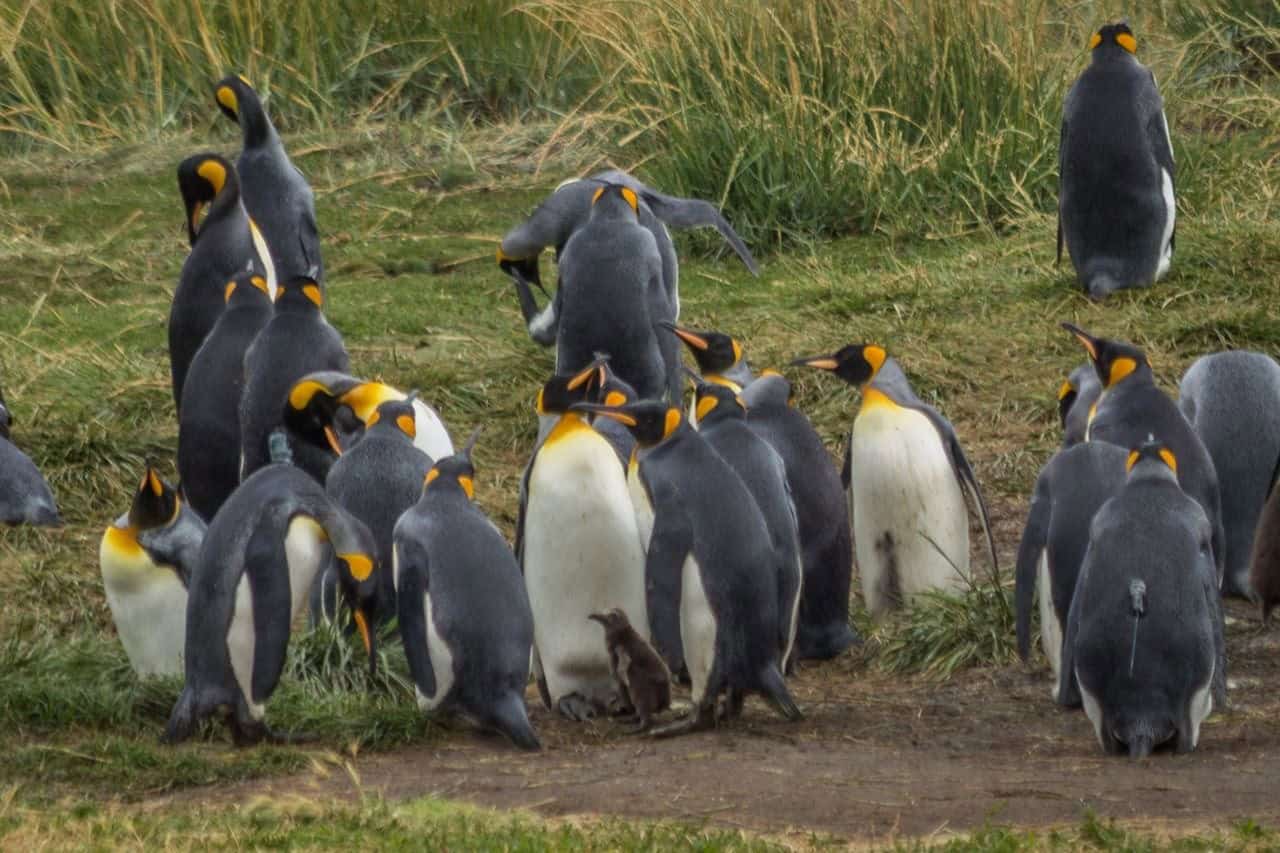
- Tierra del Fuego: King Penguins
- Torres del Paine: Condor/puma
- Chiloe: Whales/Seals
- San Pedro de Atacama: Vicuña
The King Penguins of Tierra del Fuego
From Punta Arenas, the city at the entrance of Tierra del Fuego, it is easy to rent a car or join a tour to find the only King Penguin colony on the entire continent. No need to join a long and expensive tour to the Falklands or South Georgia Islands, a colony of about 80 individuals has set camp on Bahia Inutil. The sight of the 2nd tallest penguin species in the world after the Emperor Penguin deserves the long journey that will take you on a ferry across the Magellan Strait and a 2-hour drive on gravel roads. The unique landscapes along the way will make the adventure even more remarkable and unforgettable.
To read our article and learn more about how to organise the trip on your own, follow this link.
7 Days Trekking In Torres del Paine
Recognized for its spectacular landscapes, the mountain chain of Torres del Paine is one of the main tourist destinations in Patagonia. Whether you choose to hike 1 day or 10 days, Torres del Paine will satisfy all types of visitors from low to high budgets, from short to long-term travellers, and from beginners to savvy hikers.
The only piece of information to keep in mind is to prepare and book the hike in advance, sometimes months in advance. We also have had the chance to volunteer at the park for a further 10 days.
Here is the tale of our 7-day hike and all the things you need to know prior to booking, we managed to book our whole hike only 3 days in advance!

The Marble Caves of Rio Tranquilo
The Marble Caves are probably the most impressive and least visited landmark in Chile. For us, it is a must to see, either by boat or kayak. An important fact to note is that its lack of mass tourism is due to its very remote location. Only longer-term travellers and those focused on cycling or driving through the Carretera Austral will be able to witness this wonder of the world.
We let you have a look at this article, to give you an idea of what travelling to the Marble Cave means.

The Carretera Austral
The Carretera Austral is a very narrow gravel road built under General Pinochet. It was made to link isolated towns in the south of Chile to the main cities further north. Many villages in this region were until then only accessible by sea or by land via Argentina. Gauchos ruled the transport routes which the Chileans didn’t like. The 1,200 km road from Puerto Montt was finished in the early 2000s reaching its final destination Villa O’Higgins right at the border with the Argentinian town of El Chalten. These days it is still an adventure to travel along this dusty road. You can choose to cycle, hitchhike or drive a 4WD, what would you prefer?
Here is our article about the things to do along the road.

Chiloe Island
This island situated in the southern part of Chile is accessible through the fjords of Patagonia or the busy and ugly city of Puerto Montt. But do not get held back, Chiloe is a remarkable place where you can find a beautiful seafood culinary culture and a landscape that will remind you of Ireland! The best way to discover the island is to rent a car and drive through its rolling hills from one village to another.
You will find colourful houses on pilotis, churches with upside-down boats as roofs and fortresses that once kept away the Spanish invasion.
For more, check out our article about road-tripping around Chiloe island.
Chile’s Lake District
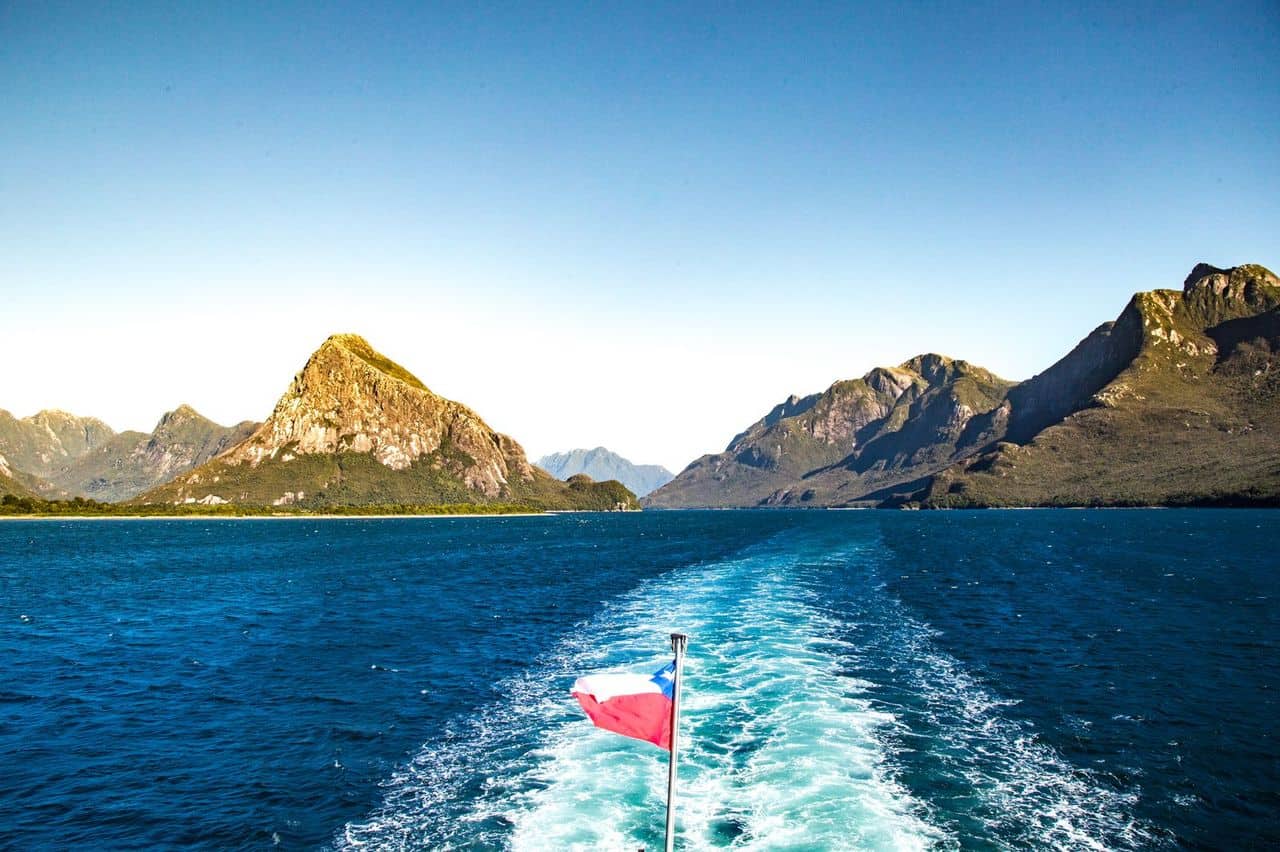
Settled by Germans (pre-war Germans) along the shore of Lago Llanquihue, Puerto Varas and Frutillar are the first stops for those looking to explore Chile’s lake district. Dotted by many lakes and snow-capped volcanoes, this area is a paradise for hikers, and water sports enthusiasts. In the region, the weather changes quite quickly which means you have to be prepared for anything. During our stay, we went from a fantastic sun to a grey-skied rainstorm and had to leave earlier than expected to find the sun on the other side of the mountain chain.
Here is our article about the towns of Puerto Varas and Frutillar.

Wine Tasting In The Colchagua Valley
Only 2 hours south of Chile’s capital Santiago, Santa Cruz is the base for discovering the Colchagua Valley and tasting exceptional wines such as Carménère. The Colchagua Valley is not a tourist destination for backpackers and can definitely be defined as off the beaten track of the Chilean gringo trail. It is however quite affordable and definitely a great place to spend a couple of days away from the hustle and bustle of Santiago or Valparaiso.
Here is our guide to cycle the wine region of Chile.

Santiago de Chile
Santiago is the capital of Chile and has over a third of the country’s population. There is not much denying it, Santiago is big and busy. It is not the prettiest city in Chile and if you don’t keep your wits about you it has the potential for petty crime. For backpackers, the city will mainly act as the beginning or end of the South American adventure or, like us, it is the first taste of city life after spending months trekking through Patagonia.
So, if you are starting or ending your trip or if you are in need of some life again, this is our guide for a couple of days in Santiago.

Valparaiso, Chile’s Most Colourful City
Only a short bus journey from Santiago, the port town of Valparaiso takes street art to a different level. Formerly the most important city in Chile due to its strategic location for sailing around the continent of South America, the city has since diminished with the opening of the Panama Canal and an easier route through the Americas. As a result of this decline, Valparaiso was thought of as unsafe for a long time. However, the graffitied streets are now home to university students, artists and the scene that goes with them.
Here is what you can expect while spending a few days in Chile’s most colourful city.

Discovering Easter Island
Landing on Easter Island means reaching a new level of meaning “in the middle of nowhere”… This small dot in the Pacific Ocean is the most remote piece of inhabited land on earth. To get to this Chilean island, it requires crossing at least 3,500 km of the sea from either the South American continent, Polynesia or New Zealand. No wonder the island is renowned for its mysterious culture and history that involves a collapsed civilisation toppled statues and bird-man stories.
In this article, we will take you on a 5-day journey across this tropical island that we explored by car, bike and on foot for just above €600 each, flights included. To read about our top 8 experiences in Easter Island, this is where to go.

A Detour To La Serena and Pisco Elqui
Planning on heading north from Santiago or Valparaiso to San Pedro de Atacama? A good way to break up the long 18-hour bus journey is to stop off by the seaside town of La Serena and further inland, the village of Pisco Elqui. A 7-hour overnight bus from Valparaiso and 11-hours from San Pedro de Atacama, La Serena is a popular Chilean getaway beach town. We used this stop as a detour to spend some time at the beach and to try some of the famous national drinks, Pisco, in the valley where it is made.
To read more about this stop, check this article.

San Pedro de Atacama
San Pedro de Atacama is one of the most visited towns in Chile due to its proximity to the Atacama desert. The town is also the main departure and arrival point for the many tours into/from the Uyuni desert in Bolivia, which attracts thousands of tourists every year. This being said, you can understand that visiting San Pedro de Atacama isn’t cheap. It is, however, a destination that should be on everyone’s list.
Few “budget” backpackers decide to visit the surroundings of San Pedro de Atacama as the sights such as geysers and highland Lagunas can also be seen on the Bolivian side as part of the Salar de Uyuni tour. Well aware of this, we still made the choice to visit a few places on the Chilean side. We didn’t mind much doubling up on visits to natural wonders that can’t be seen anywhere else. We were not disappointed, and you won’t either.
Follow this link to see photos and read about all the activities around San Pedro de Atacama

Arica – Chile’s Last Surprise
Arica is known as the city of the eternal spring due to its constant pleasant climate. The city was also the location of the War of the Pacific which saw Chile take control of land from both Peru and Bolivia. Stroll around its centre and you will find the heart of a real working city that lacks mass tourism. Its dirty and messy streets are crammed with buses and cars spewing toxic fumes, while locals flock into the local food shops for an afternoon beer, a completo or some deep-fried chicken. But the town has a certain charm, and if you pass close by, make sure to stop and chill for a couple of days.
Here is our article about Arica.

The Mummies of the Azapa Valley
A short taxi ride from Arica is the Azapa Valley, nowadays mainly used to produce fruit and olives for export. But don’t get fooled by this, the valley has an incredible history that tends to be forgotten by tourists. Home to the Chinchorro people over 7,000 years ago, the land hosts some incredible vicinity where we can learn about the oldest mummies ever found on Earth and see giant animal figures etched onto the side of hills.
Did we get your attention? Make sure to check this article then!


About the Author
Jen is the Funder, Author & Photographer behind Talesfromthelens.comJen has lived for the past 15 years across Oceania and Ireland while also travelling in Latin America, North America, and Europe. She has visited more than 65 countries and set foot on every continent in the world! She is a coffee nerd, passionate about photography, wildlife, and outdoor activities.
For more info, check out the About page.
What a great guide you have put together! The pictures really makes me want to pack the bags right away and head to Chile 🙂 Thanks for sharing your experiences and tips!
Thanks Becci. Have you thought about visiting Chile while in Argentina?
I would love to, but the budget is a bit tight too… Unfortunately 😦 Hopefully one day I’ll make it! Where are you guys about in the world by now? Did you enjoy Cuba? Looking forward to your picture 😉
It’s all we can wish you. From Buenos Aires it should be easier. We are in Martinique, heading back home in a couple of days. It’s the end of this trip but hopefully, not the end of our travels.
I would like to rent a car and drive from Santiago to Torres del Paine. Do you think that would be doable? We would have to go back and forth from Chile to Argentina do you think that would be a problem. Thanks in advance!
Hi Mike, we know a few people who did that. It is doable but you will need time and money. You won’t need to cross to Argentina if you go during the summer months and take the Carretera Austral, though be aware it’s a gravel road and you might need a 4WD (or drive very carefully and super slow). If you plan on going back an forth to Argentina to visit Bariloche, Perito Moreno and El Chalten, that shouldn’t be a problem as long as your rental company gives you the authorisation and the documents needed at the border. You might be required to pay an extra fee for the paperwork and the cross border insurance.