
Peru is a land of extraordinary contrasts, where the ancient legacy of the Inca Empire meets the lush Amazon rainforest, the towering Andes Mountains, and the vast desert plains.
Visiting the country will take you to explore archaeological wonders like Machu Picchu, marvel at the mysterious Nazca Lines, or learn about the daily life of Indigenous communities.
But what is Peru best known for?
This article explores the country’s defining features, its breathtaking natural beauty, enduring cultural traditions, and globally celebrated cuisine, to uncover what makes it one of the most iconic destinations in the world.
Machu Pichu
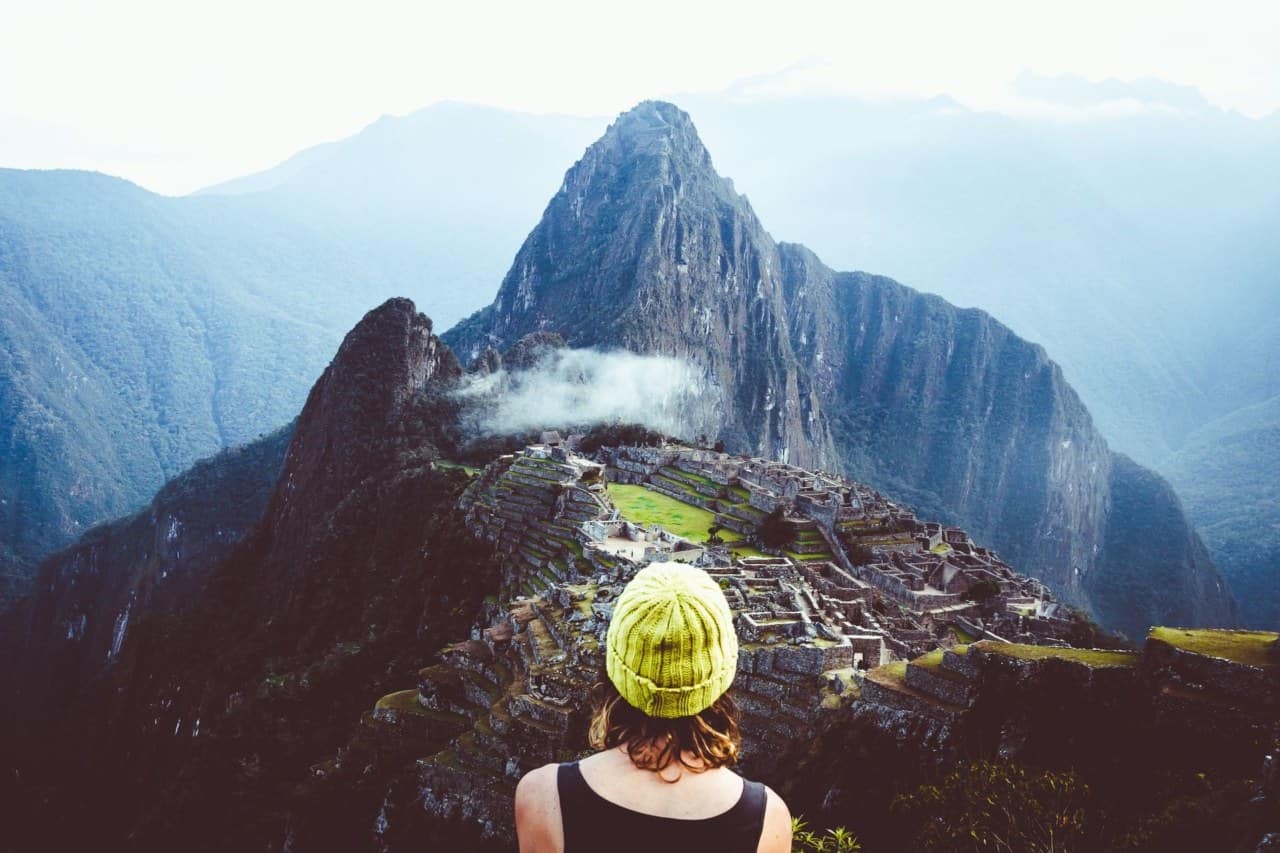
Machu Picchu is Peru’s crown jewel and arguably the most famous symbol of the Inca Empire. Nestled high in the Andes, this 15th-century citadel is recognised globally as a UNESCO World Heritage Site and one of the World’s New Seven Wonders. Its stone terraces, temples, and plazas blend seamlessly into the rugged mountain backdrop.
What makes Machu Picchu unforgettable is its mystery. Historians still debate its original purpose, whether it was a royal estate, a sacred religious site, or a combination of both. Reaching this iconic landmark often involves the Inca Trail, a multi-day trek through breathtaking landscapes, or a scenic train ride from Cusco.
Machu Picchu isn’t just about the view. It’s a testament to Inca ingenuity. Its construction showcases sophisticated engineering and architectural skills, with structures designed to withstand earthquakes and harmonise with the natural surroundings.
Inca empire
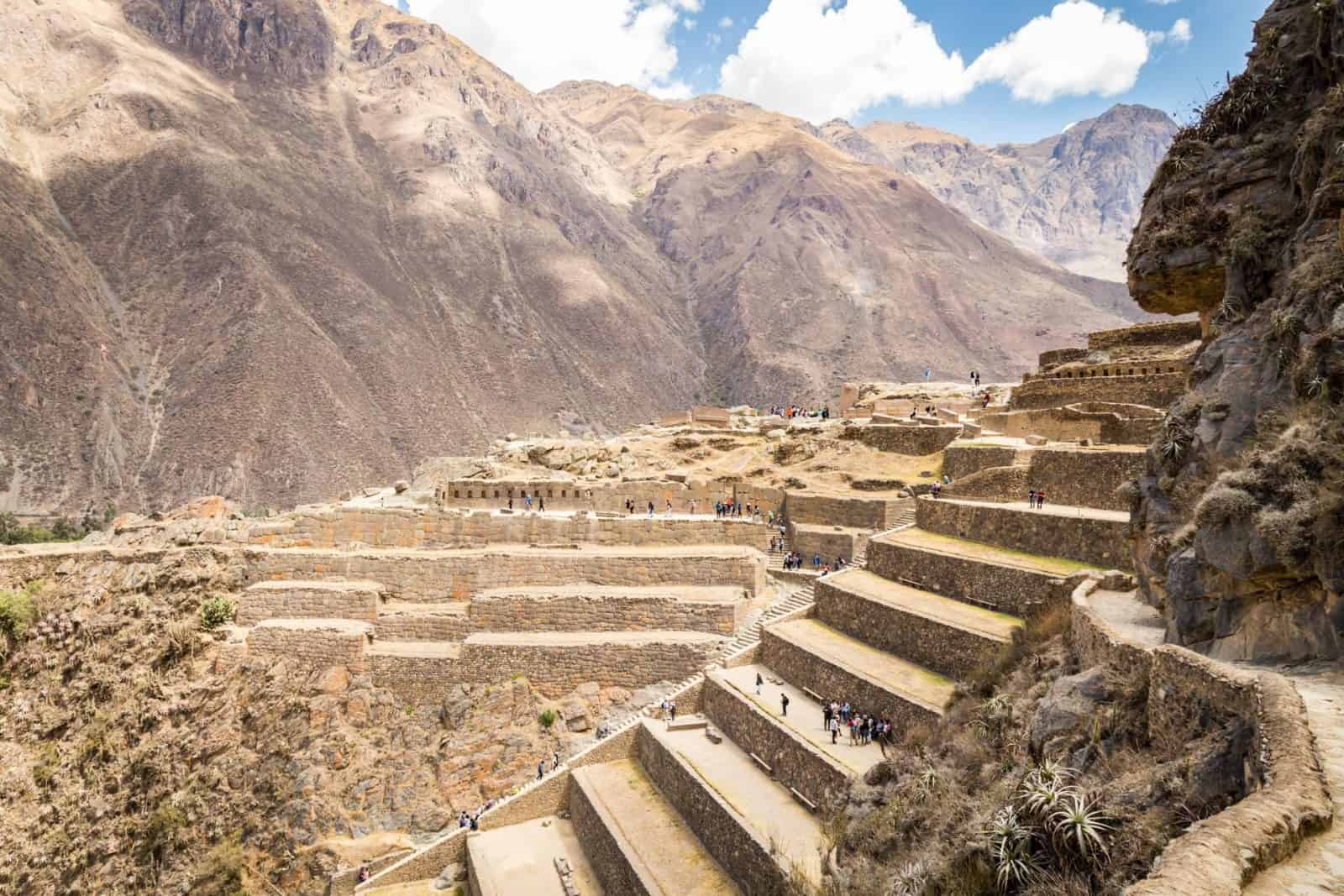
The Inca Empire, known as Tawantinsuyu in Quechua, was the largest in pre-Columbian America. The Incas were master engineers, leaving behind an intricate network of roads, aqueducts, and stone structures that still defy modern understanding.
Their society was highly organised, with a central government controlling agriculture, trade, and infrastructure. The Incas worshipped the sun god Inti and believed their ruler, the Sapa Inca, was a divine representative. Despite their advanced culture, the empire fell rapidly to Spanish conquistadors in the 16th century, marking a dramatic end to their reign.
Today, remnants of the Inca Empire can be found throughout Peru. Cusco, the former capital, is a living museum with Incan walls seamlessly integrated into colonial Spanish buildings. The Sacred Valley is dotted with impressive archaeological sites like Ollantaytambo, where massive stone terraces and fortresses give you a glimpse of the empire’s might.
Walking the Inca Trail offers a hands-on way to experience the empire’s road network, which connected distant parts of the empire. For those less inclined to trek, sites like Sacsayhuamán, a fortress on the outskirts of Cusco, showcase the Incas’ skill in building without mortar.
Cusco
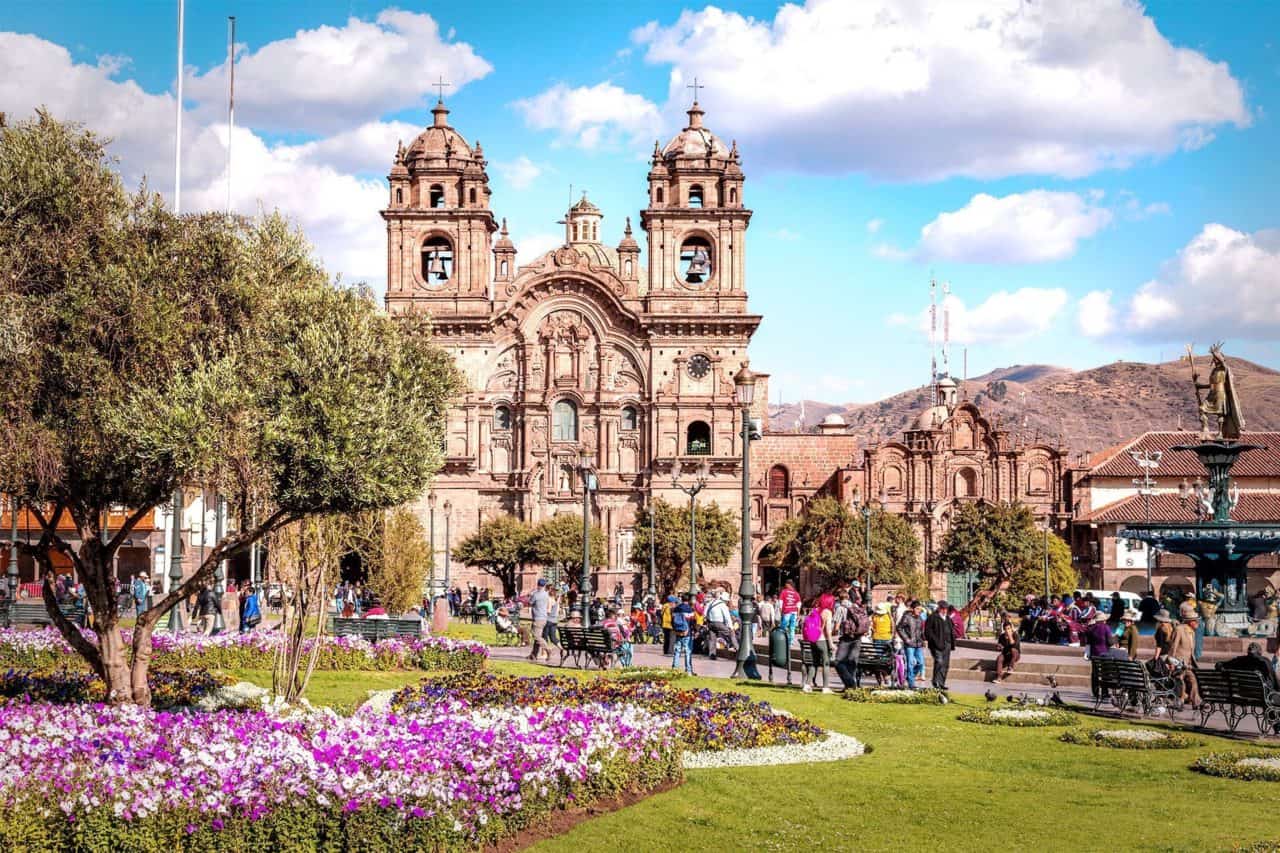
Cusco is often called the gateway to Peru’s Inca heritage, but it’s far more than just a stopover on the way to Machu Picchu. Once the heart of the Inca Empire, this city sits 3,400 metres above sea level in the Andes. Its rich history and unique blend of Indigenous and Spanish colonial influences make it one of Peru’s most important cultural hubs.
Today, it is one of the main cities in Peru, a tourist hub used by visitors as a starting point for trips to Machu Picchu, the Sacred Valley, Rainbow Mountains, the Inca Trail, and much more!
Walking through Cusco’s streets feels like stepping into a living museum. Many buildings in the city centre, particularly around the Plaza de Armas, are built on original Inca foundations. The massive, tightly-fitted stones of sites like the Qorikancha, once the Inca Sun Temple and later transformed into a Spanish church, showcase the empire’s advanced engineering.
Andes Mountains
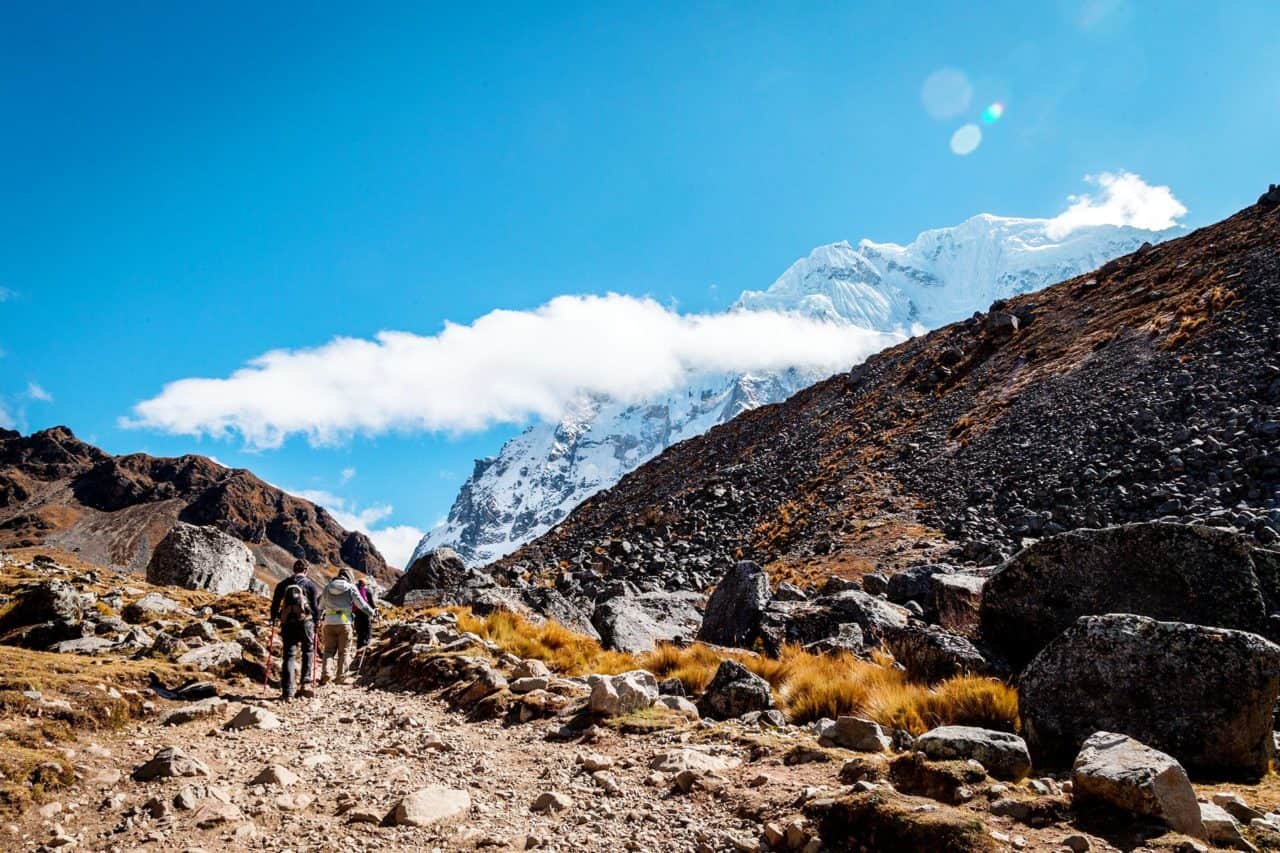
The Andes Mountains are Peru’s backbone, stretching across the country and providing a dramatic landscape of peaks, valleys, and plateaus.
The Andes are the longest continental mountain range on Earth, spanning over 7,000 kilometres. Their altitude can reach impressive heights, with many peaks exceeding 6,000 metres (19,685 feet).
The Salkantay Trek is a standout choice for those seeking an alternative to the famed Inca Trail. This multi-day hike takes you past the towering Salkantay Mountain, one of the highest peaks in Peru.
In the northern Andes, Huaraz is the gateway to the Cordillera Blanca, a region known for its striking glaciers and turquoise lagoons. Treks like the Santa Cruz Trek or the hike to Laguna 69 are bucket-list experiences for outdoor enthusiasts.
Beyond trekking, the Andes are a cultural and historical treasure. Traditional Andean villages dot the landscape, where locals still speak Quechua and practice centuries-old farming techniques. The mountains are also deeply spiritual, with peaks like Ausangate considered sacred in Indigenous beliefs.
Lake Titicaca

Lake Titicaca, shared between Peru and Bolivia, is the highest navigable lake in the world, sitting at an altitude of 3,812 metres (12,507 feet).
One of the highlights of Lake Titicaca is the Uros Islands, a group of floating islands made entirely of totora reeds. These artificial islands are home to the Uros, who have lived on the lake for centuries. Visiting the Uros Islands is like stepping into a different world, where the locals share their way of life, including how they construct and maintain these reed islands. You can even ride on their traditional reed boats for a closer look at this ancient practice!
The lakeside city of Puno is the gateway to the Peruvian side of Lake Titicaca. From here, you can explore the Uros Islands and other fascinating locations like Taquile Island, known for its vibrant textile traditions, and Amantaní Island, where you can stay with local families for an authentic cultural experience.
Nazca Lines

The Nazca Lines are one of Peru’s most enigmatic and best-known landmarks. These ancient geoglyphs, etched into the arid desert plains of southern Peru, cover an area of nearly 500 square kilometres. Thought to have been created by the Nazca culture between 500 BCE and 500 CE, the lines remain one of archaeology’s greatest mysteries.
The designs, which include simple lines, geometric shapes, and depictions of animals like hummingbirds, monkeys, and spiders, are best viewed from above. Many theories surround their purpose, ranging from astronomical calendars and irrigation markers to ceremonial or religious significance. Despite extensive research, their exact function remains unknown, adding to their intrigue.
Most travellers book a scenic flight from Nazca or nearby towns like Ica to see the Nazca Lines. The bird’s-eye view offers the best perspective of the massive designs, some of which span hundreds of metres. For those who prefer to stay grounded, the Nazca Lines Viewing Tower lets you see a few geoglyphs up close.
Peruvian Cuisine

Peruvian cuisine is one of the world’s most celebrated and diverse. It blends Indigenous traditions with Spanish, African, and Asian influences. Known for its bold flavours and use of fresh, local ingredients, Peru is best known as the gastronomic capital of Latin America and the world!
At the heart of Peruvian cuisine is ceviche, the country’s national dish. It’s a refreshing, tangy favourite and is made with fresh fish marinated in lime juice, chili, and red onion. It is served in coastal cities like Lima or Huanchaco, where abundant seafood is available. Other must-try dishes include:
- Lomo Saltado is a stir-fry of beef, onions, tomatoes, and soy sauce served with rice and chips. It showcases the country’s Chinese-Peruvian chifa influence.
- Ají de Gallina – Shredded chicken in a creamy, spicy sauce made with ají amarillo peppers, walnuts, and milk.
- Anticuchos – Grilled skewers of beef heart marinated in spices, a popular street food.
- Rocoto Relleno – Spicy stuffed peppers, often served in Arequipa, a city known for its unique culinary traditions.
- Peru’s biodiversity plays a big role in its cuisine. The Andes provide potatoes, quinoa, and alpaca, while the Amazon contributes exotic fruits and river fish. In addition to these regional staples, Pisco Sour, a cocktail made with Pisco brandy, lime juice, egg white, and bitters, is a national favourite.
Food markets, like the Mercado San Pedro in Cusco, are great places to taste local dishes and see Peru’s incredible variety of ingredients. From gourmet restaurants like Central in Lima to humble street stalls, Peruvian cuisine is a culinary journey that reflects the country’s rich history and culture.
Alpacas & Llamas
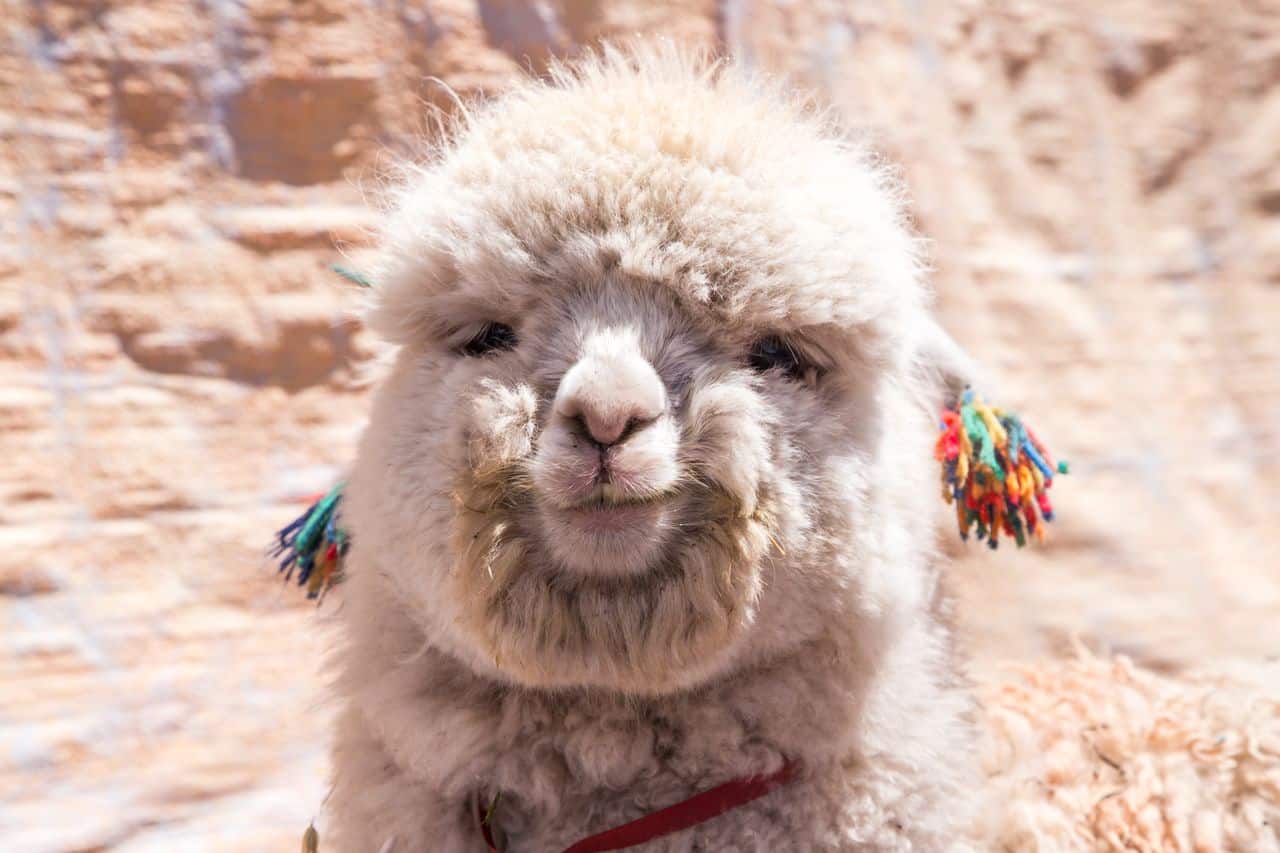
Alpacas and llamas are iconic symbols of Peru, roaming the Andes with their fluffy coats and gentle demeanour. These animals aren’t just adorable, they’ve been vital to Andean culture and survival for thousands of years, serving as wool, food, and transportation sources.
Alpacas are smaller and known for their soft, luxurious fleece, which is used to make high-quality textiles. You’ll find alpaca wool in everything from scarves to blankets at markets throughout Peru, especially in Cusco and the Sacred Valley. Baby alpaca wool is particularly prized for its softness and warmth.
Llamas, on the other hand, are larger and stronger. Historically, they were used as pack animals to transport goods across the rugged Andes. Today, you’ll likely see them on treks like the Inca Trail or in remote villages, which are still used in traditional farming practices.
Sacred Valley

The Sacred Valley, or Valle Sagrado, is one of Peru’s most beautiful and culturally rich regions. Stretching from Pisac to Ollantaytambo, this fertile valley was once the heart of the Inca Empire.
There are many things to do in the Sacred Valley, thanks to its many archaeological sites, each offering a glimpse into Incan life. Pisac is known for its well-preserved terraces and bustling artisan market. Further along, Ollantaytambo showcases a massive stone fortress and was a key stronghold during the Spanish conquest.
You can hike around the sacred valley on your own or join a tour to visit remote places like Maras salt mines (thousands of terraced salt pools) and the Moray agricultural terraces, which are thought to have been an Incan experimental farm.
Potatoes & Quinoa

Peru is the birthplace of potatoes and quinoa, two staple crops that have nourished Andean communities for thousands of years. These humble yet versatile foods are a key part of what Peru is best known for, both culturally and gastronomically.
Peru boasts over 4,000 varieties of potatoes, ranging in colour, size, and flavour. From waxy yellow Papa amarilla to vibrant purple potatoes, they’ve been a cornerstone of Peruvian cuisine for centuries. The Incas even developed methods to preserve them, such as chuño, a freeze-dried potato still used in traditional dishes today. You’ll encounter potatoes in iconic meals like papa a la huancaína, a creamy, spicy potato dish, and causa, a layered potato cake filled with meat, avocado, or seafood.
Quinoa, often called a “superfood,” has been cultivated in the Andes for over 5,000 years. This protein-packed grain is a vital crop for high-altitude farming, thriving in the harsh conditions of the mountains. It’s still a key ingredient in Peruvian cooking, from soups and salads to baked goods.
Colca Canyon

Colca Canyon, located in southern Peru near Arequipa, is one of the deepest canyons in the world. At its deepest point, it plunges over 3,270 metres (10,725 feet). Twice as deep as the Grand Canyon, it’s a breathtaking natural wonder and a must-visit for those seeking adventure and stunning landscapes.
The canyon is perhaps best known as a home to the Andean condor, one of the world’s largest flying birds. At viewpoints like Cruz del Condor, you can watch these majestic birds soar on thermals, often coming within metres of spectators. The sight is unforgettable and highlights the region’s rich biodiversity.
For trekkers, Colca Canyon offers some of the best hiking in Peru. Trails lead you down into the canyon, where you’ll pass through picturesque villages like Sangalle, known as the Oasis, with its lush greenery and natural pools.
Traditional textile

Traditional textiles are a vibrant expression of Peru’s rich culture and history, deeply tied to its Indigenous heritage. Crafted using techniques passed down for generations, these textiles are more than just beautiful, they’re a living art form that tells stories of the Andean way of life.
Peruvian textiles are woven from the wool of alpacas, llamas, and vicuñas, with vicuña wool being among the most luxurious in the world. Artisans use natural dyes derived from plants, insects, and minerals to create the vivid colours in shawls, ponchos, and blankets. Each piece often features geometric patterns, symbols, and motifs representing local traditions, myths, and the surrounding landscape.
Beyond their aesthetic and cultural value, traditional textiles play a practical role in daily life. Handwoven clothing, like polleras (skirts) and chullos (knit hats), is designed to withstand the harsh Andean climate while showcasing regional identity.
Surfing

Peru is one of the world’s top surfing destinations, offering consistent waves, uncrowded beaches, and surf spots for all skill levels. Its long Pacific coastline is a playground for surfers, with conditions that range from mellow beginner-friendly breaks to world-class waves for seasoned pros.
One of Peru’s most famous surf spots is Máncora, a laid-back beach town in the north known for its warm waters and long, peeling waves. Máncora is perfect for beginners and intermediate surfers, and there are plenty of surf schools and rentals available.
For more experienced surfers, the southern coast is home to Punta Hermosa, near Lima, which boasts challenging breaks like Pico Alto, one of the biggest waves in South America. The iconic Chicama, further north, is a bucket-list destination. It’s renowned for having one of the longest left-hand waves in the world, stretching for over 4 kilometres under the right conditions.
Ancient Peruvians were some of the world’s first surfers, riding the waves in reed boats called caballitos de totora (photo). Local fishermen in towns like Huanchaco still use these traditional vessels, offering a glimpse into surfing’s historic roots.
Huacachina Oasis

Huacachina is a surreal desert oasis and one of Peru’s most unique destinations. Located near Ica, this tiny village is built around a natural lagoon surrounded by towering sand dunes.
The main draw of Huacachina is its sandboarding and dune buggy rides. Adventurers flock here to race up and down the massive dunes in high-speed buggies or slide down the sandy slopes on a board.
The oasis itself is a peaceful retreat. The lagoon, often called the “mirage in the desert,” was historically believed to have healing properties. Today, it’s surrounded by small restaurants, shops, and hotels, making it quite a touristy place.
Peruvian Coffee and Chocolate
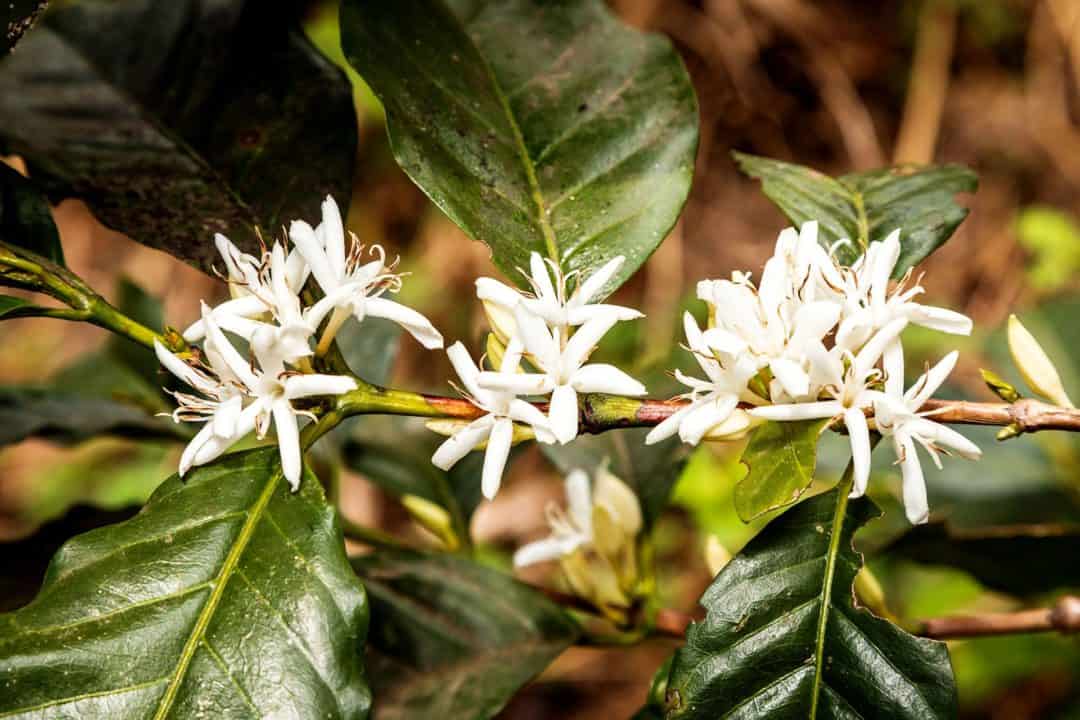
Peruvian coffee is prized for its smooth flavour and aromatic profile. Most coffee is grown by small-scale farmers at high altitudes, where the cooler climate allows beans to mature slowly, enhancing their quality. Regions like Chanchamayo, Cajamarca, and the Sacred Valley are well-known coffee-growing areas. Specialty-grade Arabica beans from Peru often feature fruity, floral, or nutty notes, making them a favourite among coffee connoisseurs.
For chocolate lovers, Peruvian cacao is equally exceptional. Peru is one of the world’s largest producers of fine-flavour cacao, with some of its varieties classified as “criollo,” the rarest and most sought-after type of cacao. The Amazon region, particularly San Martín and Ucayali, grows much of the country’s cacao. The result is rich, complex chocolate with flavour notes that range from fruity to earthy.
Indigenous Cultures
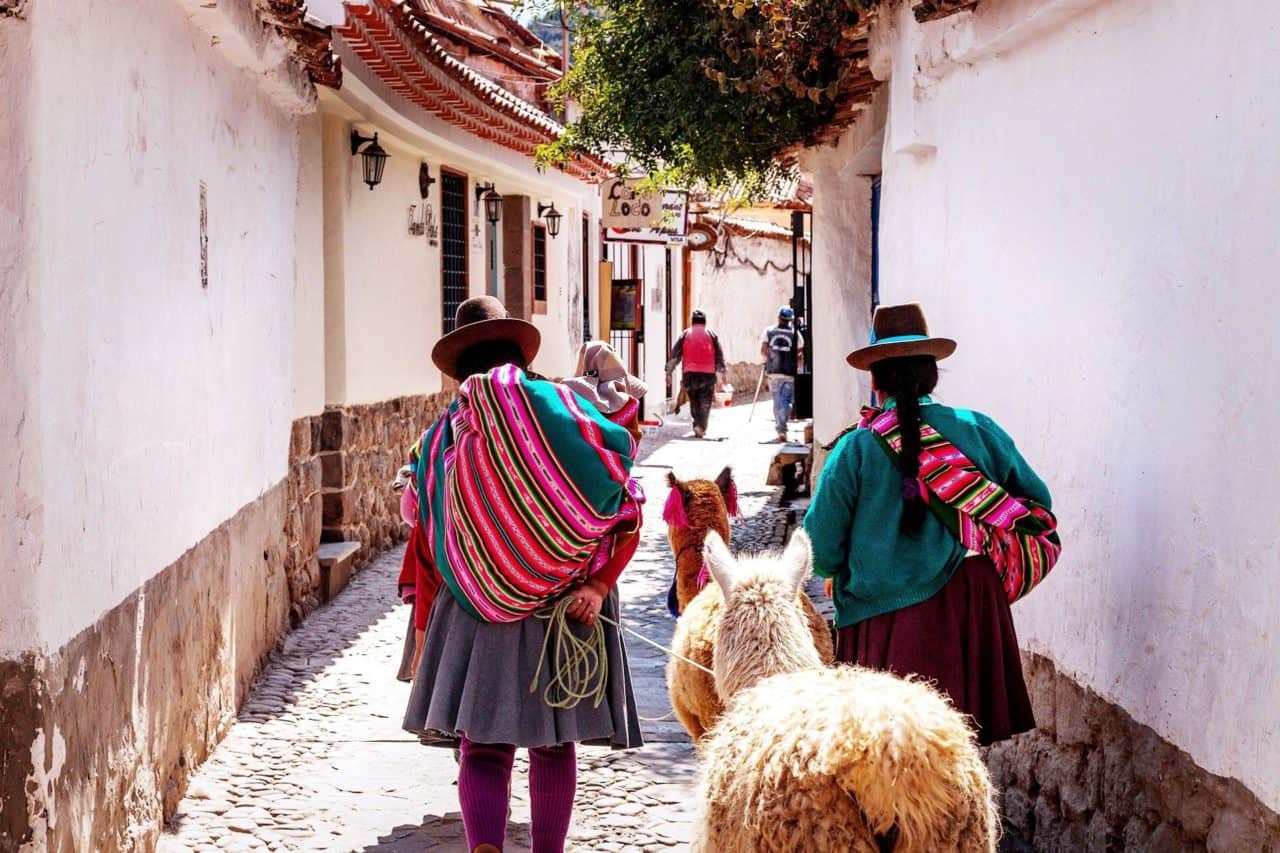
Peru is home to a rich tapestry of Indigenous cultures, which form the backbone of its identity. More than 25% of Peru’s population identifies as Indigenous, with the majority belonging to the Quechua and Aymara communities.
One of Peru’s most prominent aspects of Indigenous cultures is their language. Quechua, the language of the Inca, is still spoken by millions, especially in the Andes. It’s common to hear it alongside Spanish in markets, villages, and ceremonies.
Indigenous practices are deeply tied to the land. Agricultural techniques like terrace farming, developed by the Incas and earlier cultures, are still used today. Festivals such as Inti Raymi (Festival of the Sun) and Pachamama Raymi (Mother Earth Day) celebrate a spiritual connection to nature, reflecting their respect for the mountains, rivers, and soil that sustain them.
Rainbow Mountains

The Rainbow Mountains of Peru, or Vinicunca, are one of the country’s most striking natural wonders. Located in the Andes, at an altitude of 5,200 metres (17,060 feet), these colourful mountains have become a must-see destination for travellers.
The vibrant colours of the Rainbow Mountains come from layers of mineral deposits exposed by erosion over time. Stripes of red, orange, yellow, and turquoise create a surreal landscape that looks almost otherworldly. The best way to see them is through a guided trek, which typically starts from Cusco and takes you through breathtaking Andean scenery, past traditional villages and grazing alpacas.
The trek to Vinicunca is challenging due to the high altitude, but the reward is a panoramic view that feels like stepping into a painting.
Beyond Vinicunca, the region is home to other colourful landscapes, like the Palcoyo Rainbow Mountain, which is less crowded but equally stunning.
Peru is best known for its archaeology, a testament to its rich history, and its incredibly diverse landscapes, which range from the high altitudes of the Andes to the lush Amazon basin.
The country is truly a land of contrasts, where you can trek through the Rainbow Mountains, marvel at the ancient Nazca Lines, or relax by the serene shores of Lake Titicaca. Its cuisine, a harmonious blend of Indigenous and international influences, has earned global recognition, making Peru a gastronomic hub.
What truly defines Peru, though, is its ability to connect the past with the present. The legacy of the Inca Empire is alive in the streets of Cusco, the terraces of the Sacred Valley, and the daily lives of the Quechua and Aymara peoples. This deep cultural identity, combined with Peru’s stunning natural beauty and endless adventure opportunities, creates an unforgettable experience.

ARE YOU ON PINTEREST?
What about saving this post to your Pinterest board?
Click on the photo to save this blog post for later. We are also on the platform, and we love pinning great travel tips. Follow Tales From The Lens’ boards to see our latest pins.
Don’t be shy, come say hi!

About the Author
Jen is the Funder, Author & Photographer behind Talesfromthelens.comJen has lived for the past 15 years across Oceania and Ireland while also travelling in Latin America, North America, and Europe. She has visited more than 65 countries and set foot on every continent in the world! She is a coffee nerd, passionate about photography, wildlife, and outdoor activities.
For more info, check out the About page.