
Bolivia is a country that captivates with its dramatic landscapes, deep cultural roots, and intriguing blend of history and modernity. It is known for its unique geographical wonders, vibrant traditions, and complex political scene.
This article dives into the many things that make Bolivia known around the world, from natural wonders to cultural and political highlights.
Salar de Uyuni

When it comes to stunning landscapes, Bolivia’s Salar de Uyuni tops the list. This iconic salt flat, stretching over 10,000 square kilometers, is the largest in the world. During the rainy season, it transforms into a giant mirror, reflecting the sky in a surreal display.
Tourists often describe walking on the salt flats as stepping into an endless horizon where earth and sky blur seamlessly. The area is also known for its unique salt hotels, captivating sunrise and sunset views and the isla Incahuasi, a cactus-covered island that rises out of the flats, offering panoramic views.
It can be visited as part of a 3 day trip across the southern part of Bolivia or a day trip from Uyuni town.
Lake Titicaca

Bolivia shares Lake Titicaca (the world’s highest navigable lake) with Peru. At an altitude of 12,507 feet, this deep blue expanse is rich with history, as it’s considered the birthplace of the Incan civilization.
The lake is dotted with floating islands made of reeds and traditional villages (on Peruvian side – Uros Islands) where indigenous communities preserve ancient customs. From Bolivia, you can explore the famous Isla del Sol, known for its ancient Inca ruins and breathtaking views.
La Paz

La Paz is more than just the administrative capital of Bolivia. It’s a city that redefines what urban life at high altitude feels like. Situated at around 11,975 feet above sea level, La Paz has a unique landscape that cascades through a bowl surrounded by mountains.
The streets pulse with life, from bustling markets filled with colorful textiles and fresh produce to the vibrant cholita wrestling matches. Let’s not forget the cable car system, Mi Teleférico, which doubles as a public transport method and an aerial tour of the city.
Rich Indigenous Culture

Bolivia’s culture is one of the richest in Latin America, rooted deeply in its indigenous heritage. With over 30 recognized indigenous groups, including the Aymara and Quechua, the country is a living testament to centuries-old traditions.
Festivals like Carnaval de Oruro and Aymara New Year (Willkakuti) offer a glimpse into this vibrant culture with traditional dances, music, and rituals. Markets brim with handmade crafts, textiles, and foods that carry cultural significance.
Potosí and the Silver Mines

Potosí, once dubbed the “treasure of the world,” is known for its Cerro Rico (Rich Hill), a mountain that produced vast amounts of silver during the Spanish colonial era. This wealth transformed Potosí into one of the richest cities in the world in the 16th century. However, this prosperity came at a steep cost, as thousands of indigenous workers suffered harsh conditions in the mines.
Today, travelers can visit the Cerro Rico mines to understand Bolivia’s colonial history and the impact of silver mining on its economy and culture. Potosí’s past remains etched into the city’s architecture and stories.
Death Road

Also known as Yungas Road, it is one of Bolivia’s most famous and daring attractions. This narrow, winding route stretches 40 miles from La Paz to Coroico and is etched into the side of the mountains, surrounded by lush greenery and sheer drop-offs that plunge over 1,000 feet.
Its reputation as one of the world’s most dangerous roads has turned it into a bucket-list experience for thrill-seeking cyclists. With its combination of stunning views and hair-raising paths, navigating Yungas Road is both a test of nerve and a testament to Bolivia’s dramatic landscapes.
Diverse Ecosystems

Bolivia is known for its extraordinary biodiversity, spanning everything from the high-altitude Andes to the lowland Amazon Rainforest. The country houses 22 national parks and protected areas, showcasing ecosystems teeming with wildlife. You’ll find animals like the elusive jaguar, pink river dolphins, and vibrant macaws.
Tourists can trek through the Madidi National Park near Rurrenabaque for a taste of the Amazon’s unparalleled natural beauty or visit Sajama National Park to spot vicuñas and flamingos against the backdrop of snow-capped peaks.
Traditional Foods

Bolivia’s culinary scene reflects its rich cultural heritage and diverse geography. Staples like salteñas (savory pastries filled with a blend of meats, potatoes, and spices) are a must-try. Another popular dish is llajwa, a spicy sauce made from hot peppers and tomatoes, often used to add zest to meals.
And for a true taste of the highlands, try api, a warm, sweet corn-based drink infused with cinnamon and cloves.
Carnaval de Oruro

The Carnaval de Oruro is recognized by UNESCO as a Masterpiece of the Oral and Intangible Heritage of Humanity. This event is famous for its vibrant parades, intricate costumes, and symbolic dances that tell stories of pre-Columbian gods and Spanish influence.
The highlight is the Diablada, or Dance of the Devils, featuring elaborate, hand-crafted masks. Every year, thousands gather to experience this cultural showcase, which captures the heart of Bolivia’s deep-rooted traditions and lively spirit.
Witch Markets

Bolivia’s Witch Markets (or Mercado de las Brujas) offer a fascinating glimpse into the spiritual side of Bolivian culture. Located in cities like La Paz, these markets are a mix of the mystical and practical, where you can find everything from herbal remedies and charms to amulets and ritual items.
Aymara witches, known as yatiris, often give advice and sell items used in traditional spiritual practices. Whether you’re looking for good luck, protection, or a peek into the country’s unique blend of folklore and mysticism, the Witch Markets are a true experience to no miss!
Coca Production

Coca leaves have deep cultural and historical significance in Bolivia, known for their use in traditional rituals, medicinal purposes, and as a natural remedy for altitude sickness. Bolivia is one of the largest producers of coca leaves, and they are an integral part of daily life for many Bolivians, especially among indigenous communities.
While coca leaves have a controversial global reputation due to their connection to cocaine production, in Bolivia, they are seen as a sacred plant. They are also known to help a lot with altitude sickness and available to all to purchase. The leaves are usually chewed or brewed into tea.
Altitude

Bolivia is synonymous with high-altitude living. Cities like La Paz and Potosí are among the highest in the world, with altitudes exceeding 11,000 feet. This elevation affects everything from weather to physical exertion. Visitors often experience altitude sickness and are advised to acclimate slowly.
But the high altitude also provides breathtaking views and unique landscapes, from towering peaks to deep valleys. This elevation influences how Bolivians live, work, and even cook, as lower air pressure means longer cooking times.
Unique Wildlife

Bolivia’s diverse ecosystems provide a home to some unique and fascinating wildlife. You’ll find spectacled bears (the only bear species native to South America) roaming the Andean forests, and pink river dolphins gliding through the Amazon’s tributaries.
Birdwatchers flock to Bolivia to catch a glimpse of exotic species like the Andean condor and the scarlet macaw. In the vast Pantanal wetlands, jaguars prowl, while the high-altitude Sajama National Park is dotted with flamingos against a backdrop of icy peaks.
Traditional Clothing

Bolivian clothing is as colorful and varied as its culture. Traditional outfits, particularly worn by cholitas, feature polleras (layered skirts that swish with every step) along with intricately woven shawls and bowler hats. This attire is more than fashion; it’s a symbol of cultural pride and resilience.
The cholita style, once stigmatized, has become an emblem of empowerment, with women now participating in everything from wrestling matches to political rallies. The traditional clothing is often hand-made, using bright colors and patterns that reflect indigenous heritage. This vibrant attire is one of Bolivia’s most recognizable and celebrated symbols.
Head to Tarabuco market or visit any markets to see Cholitas wearing these colourful clothes.
Strikes & Roadblocks

Bolivia’s political environment has long been defined by its economic struggles, powerful social movements, and episodes of political upheaval. Strikes and protests are common, often spurred by economic difficulties and mistrust in government leadership.
Recent economic instability, including shortages of foreign currency, depleting international reserves, and increasing debt, has triggered widespread public unrest. Nationwide strikes and roadblocks happen regularly but it is part of travelling in Bolivia.
Usually tourists aren’t stranded for too long, but generally it is recommended to have some flexibility to account for delays and change of plan.
Zebra Crossings Program

La Paz is known for its unique and charming Zebra Crossings Program. To improve pedestrian safety and promote road awareness, the city employs people dressed in zebra costumes who assist at crosswalks. These “zebras” do more than just guide pedestrians. They dance, wave, and engage with both drivers and walkers to create a positive atmosphere.
They also don’t hesitate shaming bad driving behaviours! It is hilarious to witness. The initiative has become a beloved part of La Paz’s character, blending safety with creativity and extended to several other towns like Potosi and Sucre. The sight of a friendly zebra dancing in traffic is one of those quirky details that makes Bolivia’s capital memorable and endearing to both locals and tourists.
San Pedro Prison

San Pedro Prison in La Paz stands out as one of the most unconventional prisons in the world. Unlike typical prisons, San Pedro is known for its self-governed community where inmates live with their families, run small businesses, and even hold elections for leadership roles. Inside, you’ll find everything from food stalls to rented accommodations.
While it might sound bizarre, this prison reflects the country’s socioeconomic struggles and adaptability. Although not officially open to visitors, its unusual reputation has sparked books and documentaries, making it an intriguing, albeit somber, part of Bolivia’s modern history.
Cal Orcko Dinosaur Footprints
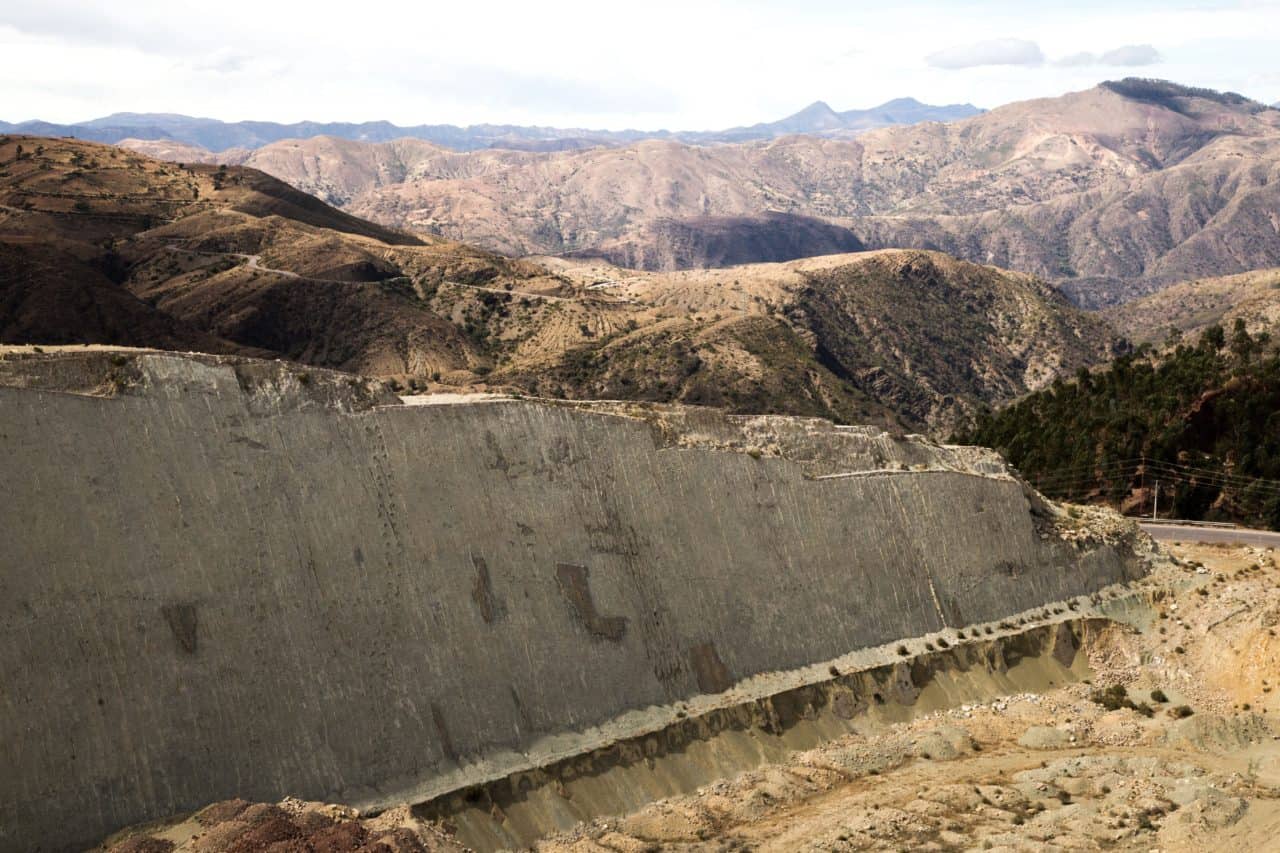
Bolivia’s prehistoric legacy can be explored at Cal Orcko, a site near Sucre boasting one of the largest and most diverse collections of dinosaur footprints in the world. This impressive limestone wall features over 5,000 fossilized tracks from various dinosaur species, dating back millions of years.
The footprints climb up a near-vertical face, creating a fascinating sight for paleontology enthusiasts. The Cretaceous Park nearby offers informative exhibits and tours that dive into the history of the area, making it a must-visit for anyone intrigued by the distant past of this South American country.
Bolivia is a country that defies simple descriptions. Its breathtaking landscapes, vibrant traditions, and resilient people make it a place full of stories waiting to be discovered. While it faces economic and political challenges that echo throughout its history, Bolivia’s spirit of cultural pride and deep connection to its roots continue to inspire both locals and visitors.
The country has so much to offer, yet it is too often overlooked by international travellers. Those who do venture into Bolivia find a nation rich in culture, natural wonders, and authentic experiences that leave an indelible mark.
Have I missed anything? If you think Bolivia is known for something else, share your thoughts in the comment section below!
ARE YOU ON PINTEREST?
What about saving this post to your Pinterest board?
Click on the photo to save this blog post for later. We are also on the platform and we love pinning great travel tips. Follow Tales From The Lens’ boards to see our latest pins.
Don’t be shy, come say hi!