
You are a Backpacker and are looking for the best Bolivia itineraries to help you explore this incredible country?
You are in the right place! I’ve backpacked through Bolivia for 3 months, travelling to every place I mention in this article. I even lived in some locations for several weeks, which allowed me to learn about Bolivia’s local culture and discover some of the best experiences the country has to offer.
This article is designed to provide you with detailed itineraries, from one week to a full month, tailored to adventurous backpackers who crave both action-packed days and awe-inspiring sights. I cover everything from must-see attractions and hidden gems to practical tips for navigating Bolivia’s unique challenges.
By reading this guide, you’ll discover how to make the most of your time in Bolivia, ensuring an unforgettable journey through its breathtaking landscapes. Dive into this comprehensive resource and start planning the adventure of a lifetime. Here are the “Best Bolivia Itineraries for backpackers”!

I will be sharing in this article adventurous activities such a multi-day hiking and cycling. It is tailored for backpackers who are organising a trip on their own and don’t mind taking long night buses. There are a couple of chill days as part of these itineraries, but Bolivia is not the type of holiday you just hang out at the swimming pool.
1 Week in Bolivia – Passing through.
While I don’t particularly recommend spending only 7 days in Bolivia, it’s understandable if you’re passing through from Peru to Chile or Argentina or just extending your Peruvian trip. For this purpose, here’s an itinerary tailored for a brief visit. If you’re travelling specifically to visit Bolivia, consider allocating at least 2 weeks.
Day 1-2: Copacabana and Isla del Sol
- Key attractions: Basilica of Our Lady of Copacabana, Cerro El Calvario, market
- Activities: Day trip to Isla del Sol
- Stay: La Cupula
Most backpackers arriving from Peru (especially Puno), stop first in Copacabana and that’s a great choice. This town found on the shores of Lake Titicaca is famous for being the getaway to Isla de Sol, believed to be the birthplace of the Inca Sun God.
As you get off the bus, spend your first day or afternoon exploring the local markets and soaking in the tranquil atmosphere of Copacabana. Head to the Basilica of Our Lady of Copacabana to witness the unique tradition of car blessings.
Enjoy fresh trout at local lakeside eateries and don’t miss the short hike (but strenuous) to Cerro El Calvario for panoramic vistas of Lake Titicaca and maybe see Aymara families perform rituals to address their wishes to Pachamama.
On your second day, I can only recommend you catch the 8:30 am ferry to Isla del sol so you can spend the day exploring. Here, you will walk along ancient trails, visit archaeological sites, and enjoy some of the most breathtaking views of the Titicaca Lake.
Don’t miss the Inca Stairs (Yumani steps) and the Sacred Fountain, where the waters are believed to offer eternal youth.
💡Alternatively, you can take a day trip from La Paz that includes a visit of Copacabana and Isla del Sol. This is a good compromise if you don’t have 2-3 days to visit this area on your own using local transportation.
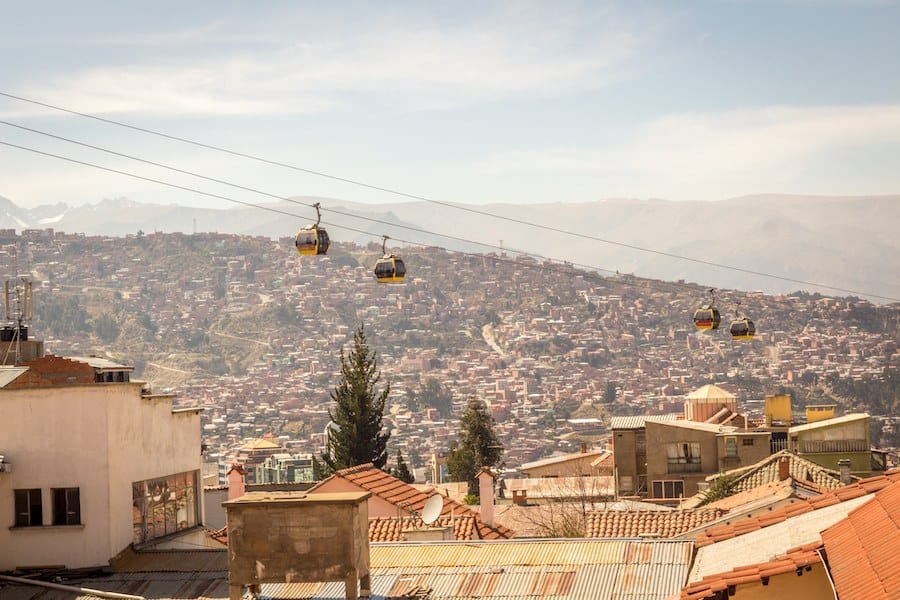
Day 3-4: La Paz
- Key attractions: Plaza Murillo, Witches’ Market, Valle de la Luna, Cholita wrestling
- Activities: Cable car ride, walking city tour, Cycle the Death Road
- Stay: The Wild Rover
Travel to La Paz after your trip to Isla del Sol or the next morning. La Pax is Bolivia’s bustling administrative capital.
To settle into the high-altitude, take it easy and spend the day exploring the city center. Visit Plaza Murillo, the heart of the city, where you’ll find important government buildings and the striking La Paz Cathedral.
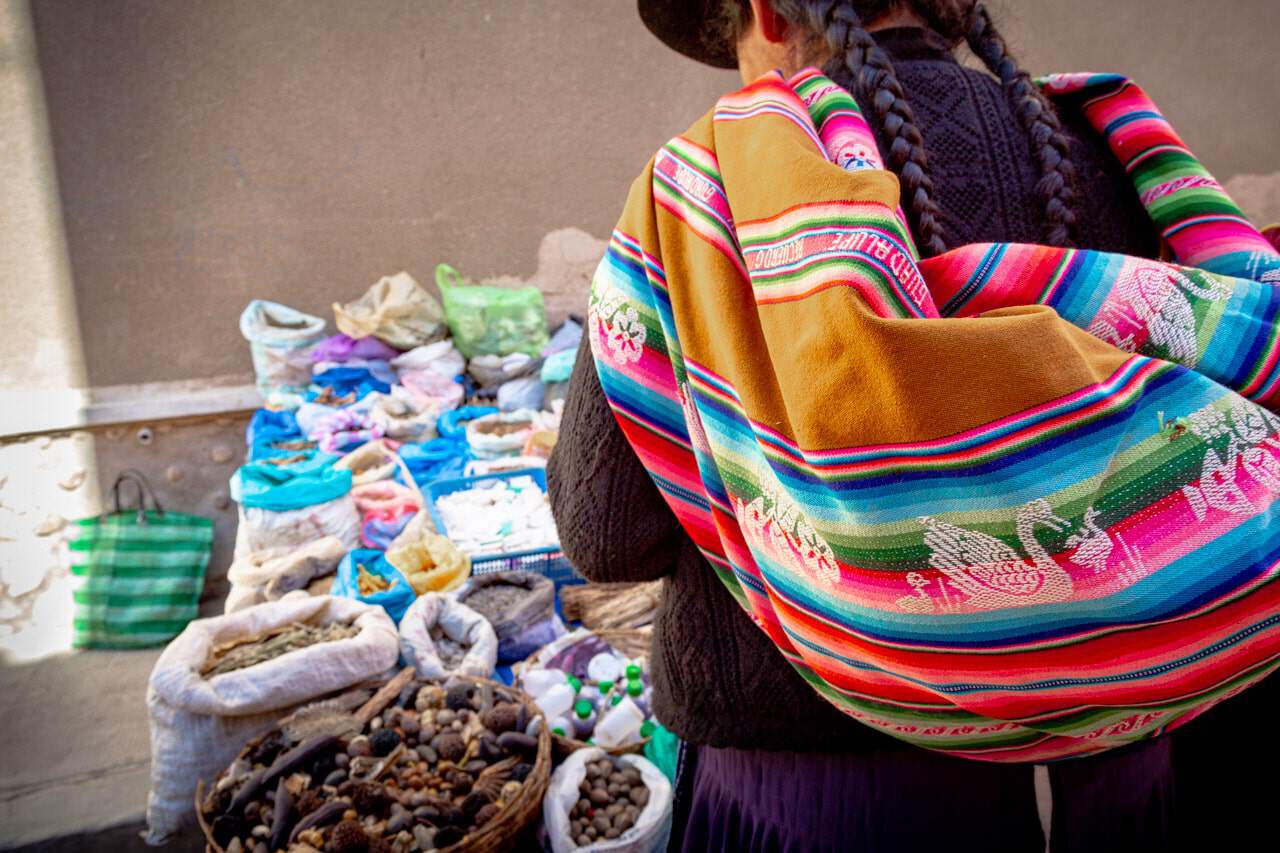
Wander through the Witches’ Market for a unique shopping experience – you’ll find everything from traditional remedies to peculiar charms. Head to Calle Sagarnaga also known as the “gringo alley” to shop souvenirs, visit the coca Museum, watch cholitas at the market or San Francisco Plaza, walk to the Killi Killi and Laikakota viewpoints or join guided walking tour of the city. There are many things to do in La Paz!
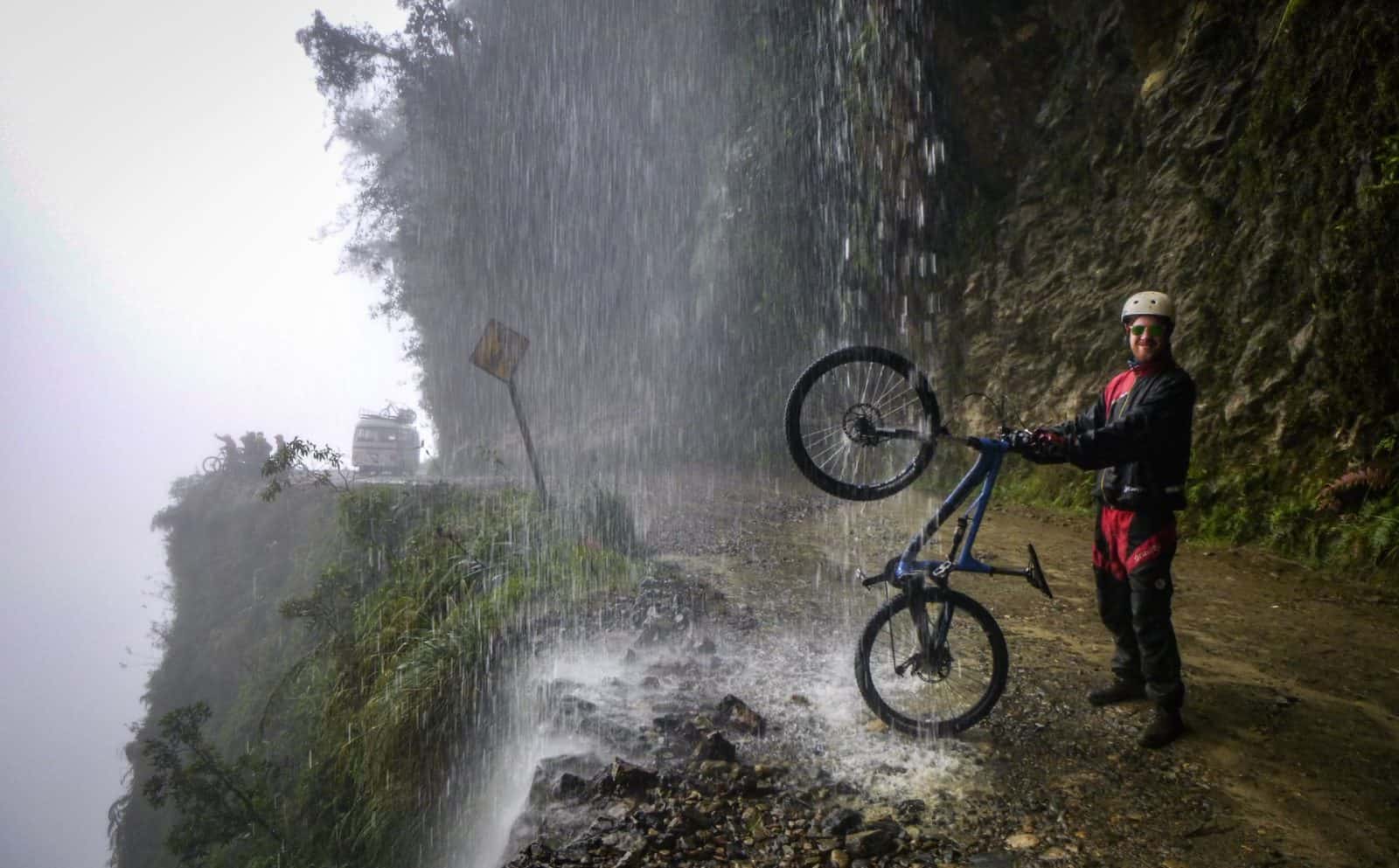
The next day, if you’re up for an adrenaline rush, consider a guided mountain bike tour down the infamous Death Road, known for its steep drops and stunning scenery.
Though, I’d understand if cycling the Death Road wasn’t for you. Instead, I’d recommend spending more time in La Paz and exploring the areas such as the Valle de la Luna, a surreal landscape of eroded canyons just outside the city.
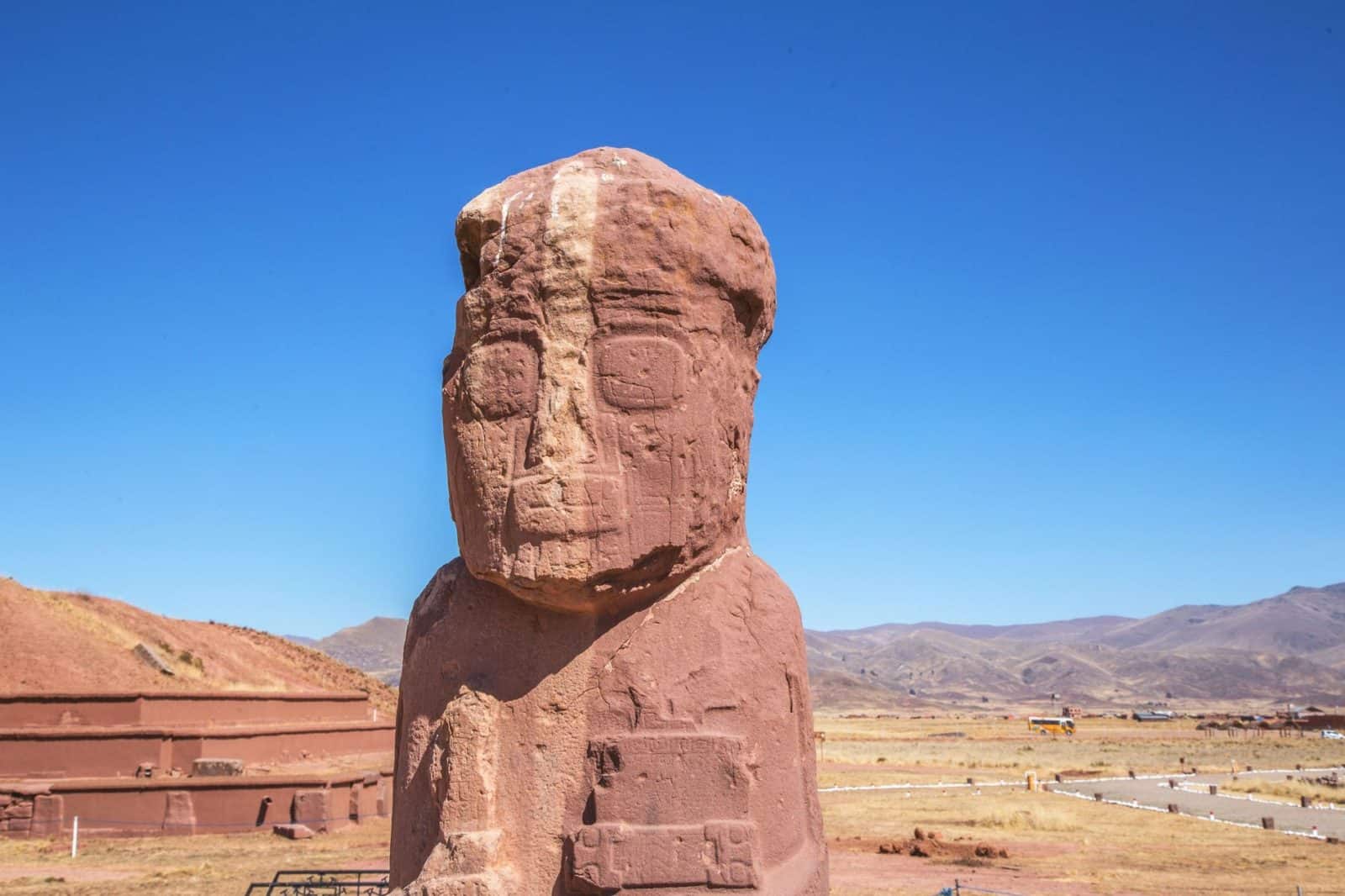
You may also want to take a day trip to Tiwanaku, an exceptional archaeological site, witness of an ancient civilization which disappeared without trace.
You can also to head to El Alto market and go to a Cholita Wrestling event (only on Thursday & Sunday night). You won’t be disappointed!
Of course, La Paz being a for a bird’s-eye view, make sure you take at least once the Mi Teleférico, the city’s cable car system.

Day 4-7: Uyuni
- Key attractions: Salar de Uyuni, Laguna Colorada, Salvador Dali Desert
- Activities: 3-day tour from Uyuni to San Pedro de Atacama, Tupiza or return to Uyuni
Your final destination is Uyuni, home to the world’s largest salt flat. The Salar de Uyuni is a must-see, offering an otherworldly experience. Join this 3-day tour from La Paz that will take you to the salt flats and Incahuasi Island before returning to La Paz. It’s a good option to avoid local transportation and potential delays.
If you want to see more than Uyuni, take a night bus to Uyuni from La Paz and join this 3-day tour that will covers the Salt flat but also the Laguna Colorada and the Eduardo Avaroa National reserve. This tour is one of the best in Bolivia and typically includes stops at geysers, hot springs, and the surreal rock formations of the Salvador Dali Desert.
For those continuing their journey into Chile, this tour will drop you off in San Pedro de Atacama. Of course, if you’re short on time, taking a 1-day tour of the salt flats (from Uyuni) is also an option.
There are also other tours such as those ending in Tupiza for the backpacker crossing to Argentina afterwards instead of Chile. From Tupiza, you can cross into the Jujuy region and reach Salta.

2 Weeks in Bolivia – The Highlights
2 weeks in Bolivia is the minimum time I recommend spending if you want to see all its highlights from the high altitude La Paz to the desert of Uyuni, the coffee region of Saimapata and the amazon rivers of Rurrenabaque!
Day 1-3: La Paz
Start your trip in La Paz which will be your main base for the next 2 weeks! As mentioned in the 1-week itinerary, there is a lot of things to do in La Paz. Instead of repeating everything here, read this section of the article or use the below as a summary.
Day 1:
- Acclimatize to the high altitude by taking a guided walking tour of the city.
- Experience a Cholita Wrestling event (Thursday & Sunday night).
Day 2:
- Cycle the Death Road from La Paz to Coroico
- Alternatively, take a day trip to Tiwanaku, an exceptional archaeological site.
Day 3:
- Explore Valle de la Luna, a surreal landscape near the city.
- Enjoy a cable car ride to El Alto and walk around the market.
- Take an afternoon bus to Copacabana
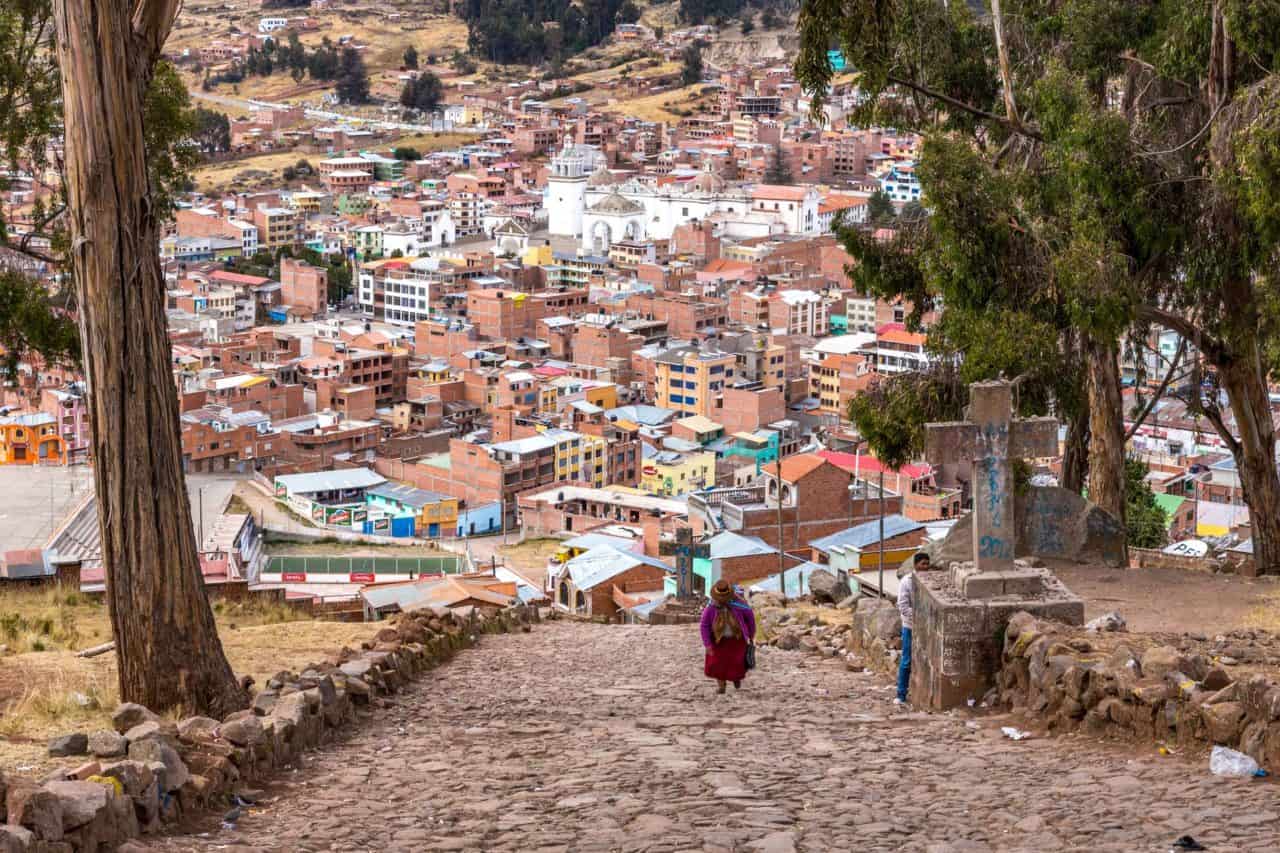
Day 3-4: Lake Titicaca
Same as above, I have already covered the Lake Titicaca in the 1-week itinerary. I would recommend heading to Copacabana on day 3 afternoon. So you can spend Day 4 exploring Isla del Sol, before returning to La Paz on that evening or early morning on Day 5.
💡Alternatively, you can take a day trip from La Paz that includes a visit of Copacabana and Isla del Sol. This is a good compromise if you don’t have 2-3 days to allocate to visiting this area on your own using local transportation.
Day 5-8: Rurrenabaque
- Key attractions: Madidi National Park
- Activities: Pampa tour
- Stay: El Curichal (the best atmosphere)
Head to Rurrenabaque, a small town that serves as the gateway to the Amazon basin. To do so, you’ll need to catch a short flight from La Paz.
I do not recommend taking the bus if you are short on time. You are better off flying 40-min and enjoy the views of the Andes peaks from the plane, it’s surreal!
You can book the earlier flight and start your Pampa tour immediately, though, be aware that it is not rare for flights to be cancelled or delayed. It’s Bolivia after all… everything is possible. So when you book your trip to Rurrenabaque add a bit of buffer.

You can book your tour to the Pampa or the jungle (2 different tours) from Rurrenabaque directly or book when in La Paz. Some tours include the flight, which might be a better choice than booking yourself as it can take quite some time to organize everything yourselves (limited ways to book flights online and such).
I have had difficulties to find tours you can book online. If I find one (with a reasonable price) I will add it here. Your best bet, is probably to organize everything when you arrive in La Paz (and have a backup plan if it doesn’t work out). If you are staying at the Wild Rover, they should be able to help out. Back when I was in La Paz, there was a small tour agency next door.
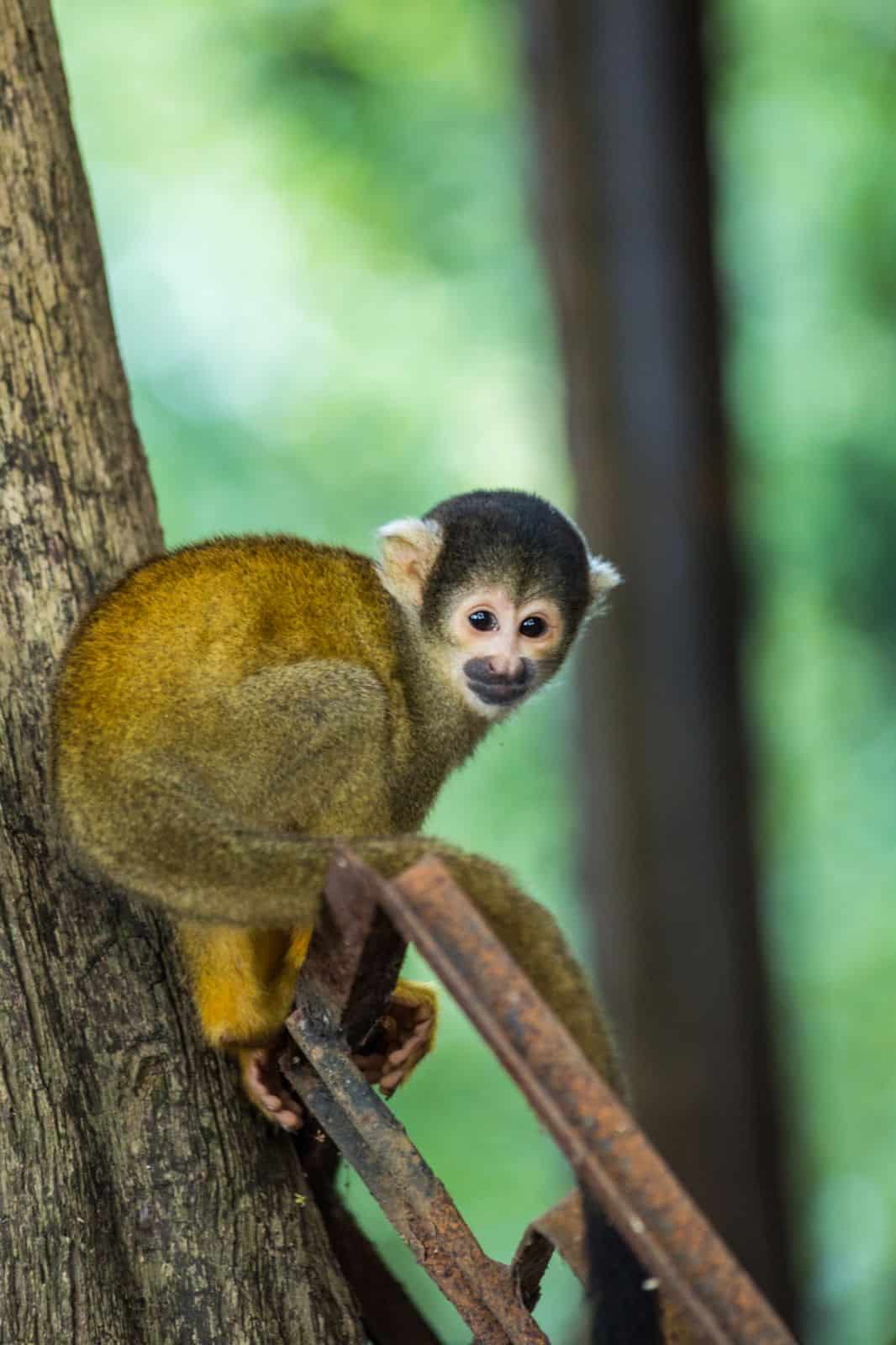
On the 3 days-2 nights Pampa tour, you’ll venture deep into the Amazon rainforest which indeed is not only found in Brazil!! Expect to see an abundance of wildlife, including caimans, capybaras, monkeys, and a variety of bird species.
You’ll take pirogue rides along the Yacuma River, fish and eat Piranhas, go on guided jungle walks looking for anaconda, and possibly swim with pink river dolphins! It was a highlight of my 3 months in Bolivia, and a place no many tourists visit when in Bolivia.
Here is a dedicated article to organizing a Pampa tour on our own. (Note: I need to update it with the latest information about the flights)

Day 9-10: Sucre
- Key attractions: the town, Cal Orcko, Tarabuco (if Sunday)
- Stay: KulturBerlin
As you head back to La Paz, no time to rest, catch a night bus to Sucre, Bolivia’s constitutional capital. Sucre is known for its well-preserved colonial architecture and pleasant climate.
Spend the first day exploring the city’s highlights such as walking around the main square, Plaza 25 de Mayo, visit the museums and historic buildings surrounding it. I have more details on the things to do in Sucre here. You can also join this guided walking tour of Sucre.
On Day 2, visit Cal Orck’o, home to one of the largest collections of dinosaur footprints in the world… and by this, I mean, a nearly 80° wall covered by more than 5,000 dinosaur footprints!
Alternatively, if you are in Sucre on a Sunday, you must take a day trip to Tarabuco, famous for its market. Here, you can purchase traditional textiles and other handicrafts while experiencing the local culture. There is no other place like this.

Find out all our favourite Experiences in South America you can book on Viator! We hand picked the most popular and well rated tours on the platform that we would recommend, so you know you are booking an top-notch activity without any stress…

Day 11-14: Uyuni
- Key attractions: Salar de Uyuni, Laguna Colorada, Salvador Dalí Desert
- Activities: 3-day tour from Uyuni
Take another night bus to Uyuni, from where you can join this 3-day tour that covers the highlights of the Salar de Uyuni and the surrounding region. There isn’t any other way to visit this incredible part of the world. Expect remoteness and breathtaking landscapes.
This tour begin with the iconic salt flats, where you’ll visit the Train Cemetery, Colchani village, and the vast expanse of the salt flats themselves. Enjoy taking perspective-defying photos on the flats and visit Incahuasi Island, known for its giant cacti.
On Day 2, you will head to the stunning Laguna Colorada, colourful lakes filled with flamingos (if it’s the season), and the surreal Salvador Dalí Desert, named for its otherworldly rock formations. There will be geysers and hot springs too!
On the final day, you should see more high-altitude lakes, including Laguna Verde.
The tour can end in San Pedro de Atacama, Chile, if you’re continuing your travels south, or you can return to Uyuni and then back to La Paz. You can chose that option when booking your trip. I listed all the Uyuni tour options in this section.
Day 15: Back to La Paz

1 month in Bolivia – Explore the countryside.
Refer the above itineraries for the details of things to do from Day 1 until Day 19.
Day 1-4: La Paz
Day 5-6: Lake Titicaca
Day 7-9: Rurrenabaque
Day 10-13: Sucre
Spend a couple of extra days in Sucre to hike the Maragua Crater. This beautiful self-guided trip allows you to experience a remote part of Bolivia and see how local people live. The hike offers stunning views and the chance to explore fascinating geological formations. For more details on how to hike the Maragua Crater on your own, check out our dedicated article.

Day 14-15: Potosí
- Key attractions: Silver Mines, Casa Nacional de la Moneda
- Stay: Eucalyptus hostal
On your way to Uyuni from Sucre, make a stop in Potosí. This city, once one of the richest in the world, is famous for its silver mines.
Take a tour of the Cerro Rico mine to learn about the history and current conditions of the miners. You can also visit the Casa Nacional de la Moneda, a museum housed in the former mint, which provides a comprehensive history of the city’s mining past.
If you have more time, consider climbing to the rooftop of the San Francisco Church and visiting the Mercado Central. Make sure to also try the saltenas at the unmarked Salteña shop on 48 Linares (that’s the street name).
Day 16-19: Uyuni
From Potosí, head to Uyuni for the iconic salt flats tour. Follow the same 3-day itinerary as in the 1 week or 2-week plan, exploring the vast salt flats, the vibrant Laguna Colorada, and the surreal Salvador Dalí Desert.

Day 20-22: Cochabamba
- Key attractions: Toro Toro National Park
- Activities: Hiking, exploring caves, seeing dinosaur footprints
- Stay: Hostel Running Chaski
Travel to Cochabamba, a city known for its pleasant climate and vibrant food scene. Spend a day exploring the city, visiting the Cristo de la Concordia statue (the tallest Christ statue in the world) for panoramic views, and sampling local cuisine at the lively markets.
Dedicate the next two days to exploring Toro Toro National Park. This remote park is a hidden gem, offering spectacular scenery and outdoor adventures. You’ll hike through deep canyons, explore ancient caves filled with stalactites and stalagmites, and see well-preserved dinosaur footprints.
The park also features stunning waterfalls and opportunities for swimming in natural pools.
Day 23: La Paz
- Activities: Rest and transit day
- Stay: Saint Peter’s Llama Hostal (for a quieter stay than at the Wild Rover)
Return to La Paz for a day of rest and transit. Use this time to relax, catch up on any last-minute shopping, and enjoy some of the city’s restaurants and cafes. This day also serves as a buffer in case of any travel delays.

Day 24-27: Santa Cruz de la Sierra
- Key attractions: Parque Nacional Amboró, Lomas de Arena
- Activities: Nature walks, wildlife spotting, sandboarding
- Stay: Nomad Hostel
Fly to Santa Cruz de la Sierra, Bolivia’s largest city and a gateway to the eastern lowlands. Spend your first day exploring the city’s vibrant centre, including Plaza 24 de Septiembre and the local markets. You may see Mennonites, an unusual sight in this part of the world.
Santa Cruz de la Sierra is a lot more commercial than La Paz and some areas look like European capitals with skyscrapers and shopping centers.
Though, the region of Santa Cruz has never been an overly popular tourist destination for travellers. Out of the way from the main tourist spots, this forgotten part of the country offers a much nicer climate, lower altitude and a chilled atmosphere.
Acting as an entrance to numerous national parks, Santa Cruz is the perfect base to visit the Amboro National park, a biodiverse rainforest home to countless species of flora and fauna. You can take this overnight guided tour, it’s a bit pricey but this is the only tour I found. I would recommend organizing your trip from Santa Cruz directly.
Same story for Lomas de Arena – a unique area with towering sand dunes where you can try sandboarding and enjoy scenic hikes – you may need to organise from Santa Cruz. Always ask your hotel and allow some time in town to organise everything. Think about alternative options also as tours might not be running once you are there. It happened to me a few times.

Day 28-29: Samaipata
- Key attractions: El Fuerte
- Activities: Archaeological exploration, hiking
- Stay: Hostel Serena
Take a short trip from Santa Cruz to Samaipata, a small town with a relaxed atmosphere.
The main attraction here is El Fuerte, a pre-Columbian archaeological sit. This pre-Colombian ruin is a UNESCO World Heritage site and offers fascinating insights into ancient civilizations. Spend your days exploring the ruins and hiking in the surrounding areas, which offer beautiful views and natural beauty.
Samaipata is very laid-back with many little coffee shops to just chill and read. It is a great place to relax after so many days backpacking around Bolivia! If you have some time, ask around the local to visit a coffee farm. Bolivia export incredible coffee and while the production mostly comes from Caranavi, Saimapata is becoming another hub for delicious Bolivian Specialty Coffee.
Day 30: Back to La Paz
Return to La Paz for your final day in Bolivia. Use this time to revisit any favourite spots, do some last-minute shopping, or simply relax before your departure.
More time in Bolivia? – Let’s deep dive!
I know by now your list of things to do in Bolivia is quite extensive! But if you have more than one month to explore Bolivia, you can delve into some lesser-known but equally fascinating destinations. Here are some additional places to consider:
- Sorata: A charming town set in a valley with stunning views of the Andes. It’s a great base for trekking in high altitude, including the challenging trek to the mountain lake “Lago Chillata”.
- Tupiza: Known for its dramatic red rock landscapes and canyons. It’s also an alternative starting point (or ending) for tours to the Salar de Uyuni and was a hideout for Butch Cassidy and the Sundance Kid.
- Tarija: Bolivia’s wine country is best for those interested in vineyard tours and tastings. The region also boasts beautiful landscapes and a mild climate, perfect for relaxation and exploration.
- Oruro: Famous for its vibrant Carnaval de Oruro, one of South America’s most significant folkloric events. Outside of carnival season, the town offers interesting mining history and cultural experiences.
- Chiquitania: A region with beautifully preserved Jesuit mission towns, such as San Javier and Concepción. These towns are rich in history and offer a unique glimpse into Bolivia’s colonial past.
- Kaa-Iya National Park: One of Bolivia’s largest protected areas, home to a diverse range of wildlife, including jaguars and giant armadillos. It’s a remote and off-the-beaten-path destination near Santa Cruz de la Sierra for adventurous travellers who have time!
- Sajama National Park: Offers some of the highest peaks in Bolivia, including Nevado Sajama. The park features hot springs, geysers, and unique Andean flora and fauna.
- Coroico: A peaceful town in the Yungas region, known for its lush greenery and coffee plantations. It’s a great place to relax and enjoy nature, with options for hiking and exploring nearby waterfalls. The Death Road cycling tours end in Coroico so you can stay there for the night after your tour instead of heading back to La Paz.
Tips to organise your trip to bolivia
1. Altitude Acclimatisation:
La Paz is the main place in this itinerary that is at high altitude. It is also the base for all the destination as you usually need to get back to catch a flight or a bus to your next destination. Everytime you go back to La Paz, make sure to take it easy and stayhydrated.
Drink plenty of water to help with altitude adjustment and avoid alcohol. You can consider taking altitude sickness medication, but always consult with a healthcare professional beforehand.
2. Be Flexible:
Embrace unpredictability:
Strikes and protests are relatively common in Bolivia and can affect transportation, access to tourist sites, and overall travel plans. These events can happen with little notice and may last for a few hours to several days.
Road blockages, airport closures, and public transport strikes are some of the disruptions you might face. It’s essential to stay informed about the current situation and be prepared to alter your itinerary.
Keep an eye on local news sources and stay updated through travel advisories. Hostels, hotels, and local tour operators are also good sources of real-time information.
Alternative routes
Have alternative routes and backup plans ready in case your primary travel plans are affected. Be ready to adjust your itinerary on the fly. If a certain destination becomes inaccessible, explore other nearby attractions or change the order of your visit.
Be prepared
For this reason, I generally don’t book anything in advance in South America, but I understand that for those travelling for a short period it is more convenient to have a plan in place with hotel and activities booked in advance. If you do so, make sure to read the cancellation fine prints and buy a travel insurance that covers curtailment, cancellation and delays without excess.
Allow for extra days in your itinerary to account for unforeseen circumstances or to extend your stay in places you love.
3. Health Precautions:
You will need certain vaccines to enter Bolivia. Instead of listing here the details since I am not a healthcare provider, I would recommend you to check with your doctor.
In Bolivia, the tap water is not always good. Drink bottled or purified water to avoid waterborne illnesses. Avoid ice cubes unless you’re sure they’re made from purified water.
Use insect repellent and wear long sleeves and pants, especially in jungle areas, to protect against mosquito-borne diseases like malaria and dengue fever. Make sure you also use sunscreen, sunglasses, and a hat to protect against the strong high-altitude sun.
4. Safety:
While Bolivia is generally a safe country to tourist, be aware of your surroundings and keep valuables secure, especially in crowded places. Listen to local advice regarding safe areas to visit and stay cautious about petty crimes such as pickpocketing.
Have a list of emergency contacts, including the local embassy or consulate.
5. Accommodations:
Backpacking in Bolivia offers a variety of accommodations tailored to budget travelers. Hostels in major cities like La Paz, Sucre, and Santa Cruz provide amenities such as communal kitchens, social areas, and sometimes even yoga classes or Spanish lessons. While kitchens are rare due to the affordability of local dining options, breakfast is often included.
Dorms are the most economical, but double rooms, known as “matrimonials,” are also available.
Here is an article with our selection of the best Hotels for backpackers in Bolivia.
6. Transportation:
- Buses: Long-distance buses are a common way to travel, but they can be slow and uncomfortable. Opt for reputable companies and consider overnight buses to save on accommodation.
- Flights: Domestic flights can save time, especially for longer distances.
- Local transport: Use shared taxis or collectivo (shared minibuses) for shorter distances. Always agree on the fare beforehand.

7. Packing Essentials:
Pack layers to accommodate Bolivia’s varied climate. Include warm clothes for high-altitude areas and lighter clothes for the lowlands. Bring comfortable walking shoes or hiking boots for treks and city exploration.
8. Money Matters:
Carry sufficient cash, especially in rural areas where ATMs are more than likely inexistant. When you use ATMs in major cities always do so inside the bank. Do not use the outside ATMs and withdraw enough to last for several days in remote areas.
9. Language:
Spanish is the primary language and in rural areas, you may encounter indigenous languages like Quechua and Aymara. Learning basic phrases of Spanish can be very helpful as no many people speak English in Bolivia, especially in the countryside.
Bolivia is actually a really good place to learn Spanish. Cities like Sucre are particularly popular with hostels offering Spanish classes.
10. Cultural Sensitivity:
Be respectful of local customs and traditions. Always ask for permission before taking photos of people. In rural areas, dress modestly to show respect for local customs.

11. Connectivity:
Wi-Fi is available in most cities but can be spotty/inexistant in rural areas. Consider purchasing a local SIM card for more reliable mobile internet. Download offline maps and travel guides to help navigate areas with limited connectivity. I have been using maps.me throughout my 2 years in South and Central America and never had any issues with it.
12. Food and Drink:
Try local dishes like salteñas, pique a lo macho, and silpancho. Eat at the markets, for delicious local dishes but be cautious with street food if you have a sensitive stomach. In restaurants, a service charge is often included, but leaving a small tip is appreciated for good service.
13. Environmental Responsibility:
Practice responsible tourism by not littering and respecting natural sites. Use water sparingly, especially in areas where it’s scarce.
14. Travel Insurance:
Ensure you have travel insurance that covers health, accidents, theft, and cancellations. Verify that it includes high-altitude activities if you plan to trek or visit high-altitude regions.
15. Local Festivals:
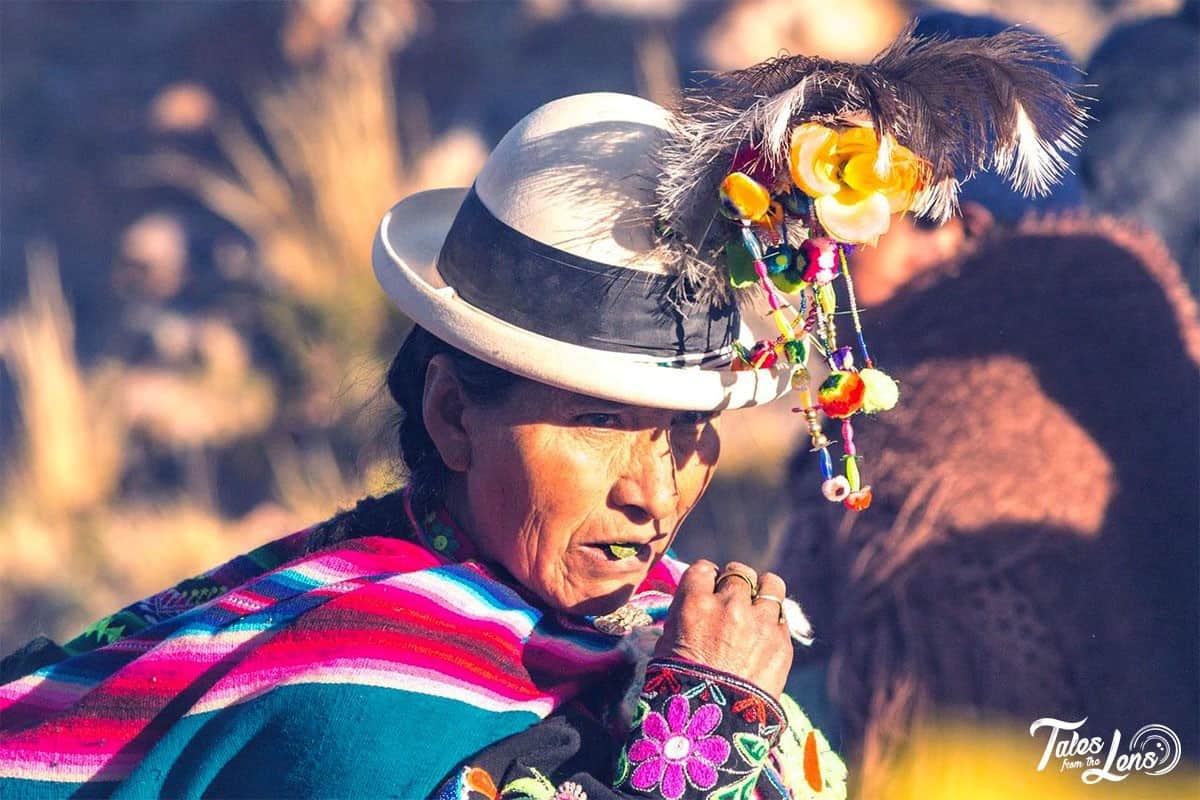
Bolivia has vibrant festivals like Carnaval de Oruro, the Fiesta de la Virgen de la Candelaria or the Aymara new Year. Enjoy these events respectfully and be aware of large crowds.
16. Volunteering and Learning:
- Volunteer opportunities: Consider engaging in volunteering projects. Research and choose reputable organisations that benefit local communities. You can volunteer in hostels for free accommodation if you are planning to stay in a place for a long time.
- Language courses: Take advantage of Spanish language courses offered in cities like Sucre to enhance your travel experience.

ARE YOU ON PINTEREST?
What about saving this post to your Pinterest board?
Click on the photo to save this blog post for later. We are also on the platform and we love pinning great travel tips. Follow Tales From The Lens’ boards to see our latest pins.
Don’t be shy, come say hi!
Please note │ This blog post may also include affiliate links to hostels or products we recommend, which means if you buy something following a link on this page, we’ll get a small commission. This will be of no extra cost to you but will help us continue running this blog. Thank you for your support.

About the Author
Jen is the Funder, Author & Photographer behind Talesfromthelens.comJen has lived for the past 15 years across Oceania and Ireland while also travelling in Latin America, North America, and Europe. She has visited more than 65 countries and set foot on every continent in the world! She is a coffee nerd, passionate about photography, wildlife, and outdoor activities.
For more info, check out the About page.
I would love to paint some of your Bolivia photos, such as the salt flat. They are other worldly. You are an amazing photographer! 📷
Comments are closed.