
Bolivia is incredible. The country offers so many mind-blowing sights that it is a common destination on backpacking routes through South America. Sometimes rough around the edges, Bolivia offers low prices, great food, nice people and an authentic feel emanating from each of its different regions.
Through its large diversity of altitude and climate, Bolivia takes you from dry highlands and deep blue lakes to snowy peaks and tropical forests. So, in case you wish to hike, do extreme sports, take a break from daily packing/unpacking or just enjoy your time relaxing, learning Spanish and volunteering, Bolivia is the right place.
From our 3-month stay, we have gathered a list of incredible things to do in Bolivia.

1. Sucre, The Bolivian Gem
Less chaotic than the rest of the country, Sucre is a prosperous town which has benefited from the silver mining of the southern regions during its development. The white houses of the city are topped by red terracotta roofs which makes Sucre a truly beautiful city.
Add in the unique atmosphere, lively nightlife, a great food scene, and surroundings that offer an authentic getaway into the Bolivian traditions and extraordinary landscapes.
With a climate relatively friendly compared to the high-altitude cities of Potosi, Uyuni or La Paz, Sucre is an excellent place to take the time to live, chill and learn Spanish.
As the constitutional capital of Bolivia, Sucre is steeped in history and culture. The city is home to numerous colonial buildings, museums, and churches that tell the story of Bolivia’s struggle for independence.
Notable landmarks include the Casa de la Libertad, where the declaration of independence was signed, and the Metropolitan Cathedral, a stunning example of colonial architecture.

2. Tarabuco Market, authentic Bolivia
Only a one-hour drive from Sucre, Tarabuco is a small village in the countryside where the entire population of the region gathers every Sunday for the weekly market. A unique place where every villager is wearing unique dress-like clothing and colourful blankets on their shoulders to carry their purchases of the day.
A testimony of the diverse Bolivian culture and its many traditions.
As you first walk into the village you are immediately taken back in time. Along the buildings made of adobe and the buckled paved roads, the local farmers and vendors have put out their stalls selling anything from Coca leaves to school supplies and weaved fabric.
The perfect place to buy locally made products…

3. Cal Orck’o: seeing 5,000 Dinosaur Footprints
What if I told you that only 30 minutes from Sucre, you could see a nearly 80° wall covered by more than 5,000 dinosaur footprints?
Cal Orck’o is a unique place in the world where you can enter a limestone quarry and see a baby T-rex track 350 meters long, and approach Sauropods’ and Titanosaurus’ footprints as close as you wish, without touching the wall, of course.
This incredible paleontological site offers a fascinating glimpse into the prehistoric era, with footprints dating back over 68 million years.
The wall, known as the Dinosaur Wall, stands at an impressive 1.5 kilometers in length and 100 meters high, showcasing an extraordinary array of tracks from various dinosaur species.
4. Hiking the Maragua Crater without a guide
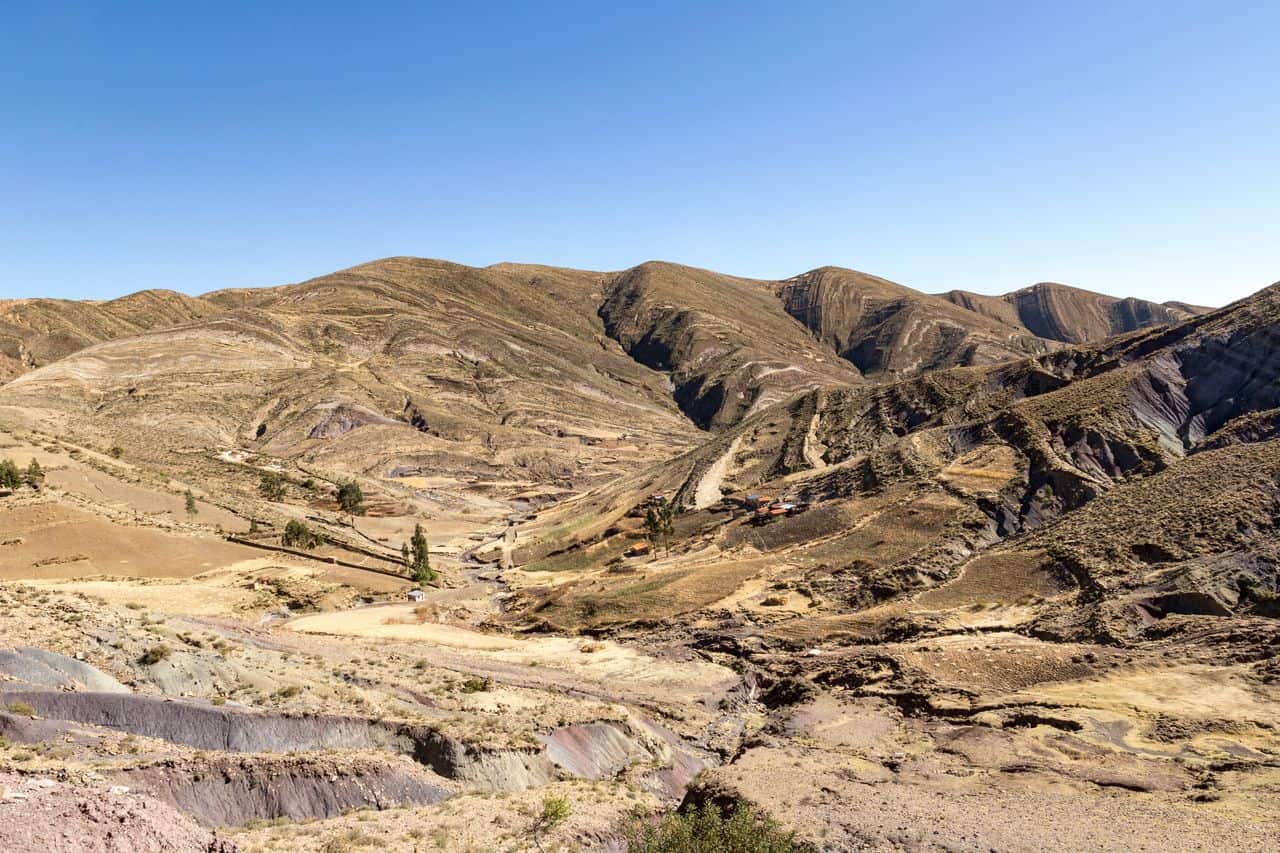
Maragua Crater is one of the main excursions from Sucre. Despite its name, the crater isn’t a geologic formation due to volcanic activity but a potential relic of a meteorite crash.
Even if the Maragua crater is accessible by road, the best way to apprehend this gorgeous regionis to go on a 2 to 3-day hike. It will take you through an old Inca trail before crossing tiny villages and cornfield farms.
This hike offers an opportunity to see a remote part of Bolivia with sparse vegetation and a striking lack of human presence. The tranquility and untouched beauty of the landscape provide a refreshing escape from the hustle and bustle of city life.
The trail is not marked but I have a dedicated article to help you hike the Maragua crater without a guide.

5. Potosi, visiting the Silver Mines and braving high altitudes
Potosi is the highest city with more than 10,000 inhabitants in the world. At 4,100 meters above sea level, the desert landscape wouldn’t offer much to the population living here if it weren’t for its infinite silver mines. The mines produced so much silver for the Spanish colonists that the term “worth a Potosi” is still used to describe something of high value.
Once considered the richest city in the world, Potosi is now a city that has been forgotten and seems to struggle to survive since the official closure of the mines.
Often described pejoratively, Potosi, for me, is quite the contrary. It is a charming city with rich and gorgeous architecture that is worth more than a Potosi. It’s a city that is worth a visit and deserves to be given a chance.
The city’s historic centre is a UNESCO World Heritage site, filled with beautifully preserved buildings, ornate churches, and grand plazas. The Casa Nacional de la Moneda, or the National Mint, is a must-visit.
But one of the most profound experiences in Potosi is visiting the Cerro Rico silver mines. These tours are not for the faint-hearted, as they involve braving the high altitudes and venturing deep into the mountains.

6. the tradition of the Aymara New Year
On the 21st of June, the Aymara, the indigenous people of Bolivia, celebrate the Andean New Year. The ceremony begins late at night to welcome the first rays of the Sun with the palm of their hands. During these few minutes of silence, as the sun rises, everyone reconnects and sends wishes to Pachamama in order to ensure a new and generous agricultural year.
The festivities are deeply rooted in ancient traditions and spiritual beliefs. Following the sunrise ceremony, the celebrations continue with a series of rituals and offerings. One of the central elements of the festivities is the sacrifice of a llama, an act believed to honor Pachamama and secure blessings for the year ahead.
Around campfires, participants engage in various rituals, including the burning of incense and coca leaves, and the sharing of traditional foods and drinks.
I was lucky enough to be invited to witness the Aymara New Year celebrations by one of the local. This is not a touristy attraction but a significant cultural event with rich symbolism and communal spirit. If you get the chance to witness this celebration, it will be engraved in your memories forever.

7. Visit the Uyuni Salt Flats
The Salar De Uyuni, or Salt Flats, is one of the most popular sights in South America. Whether you decide to visit from or to Chile with a 3 to 4-day tour or, like us, as part of a one-day tour from Uyuni, the Salt Flats will be one of the most unforgettable memories of your stay in Bolivia.
Even if we have all seen hundreds of photos of the white expanse and funny perspective shots with giant dinosaurs, getting there and setting foot on the Salt Flats is a remarkable achievement for anyone.
Besides the incredible photo opportunities, the Uyuni Salt Flats are known for the Dakar Rally, unique salt hotels, and islands made of corals and giant cacti.
For me, the best moments is the sunset and the reflection of the sky on a thin layer of water. The expansive white landscape turns into a giant mirror, creating an otherworldly visual experience that is simply mesmerizing. The sheer vastness of the flats, stretching out in every direction, offers a sense of tranquility and endless possibility.
8. Enjoy the Hot Springs of Sajama National Park
Nestled in the shadow of Bolivia’s highest peak, Nevado Sajama, Sajama National Park is a hidden gem that offers breathtaking natural beauty and a sense of tranquillity. One of the park’s highlights is its natural hot springs, which provide a perfect way to relax and soak in the stunning Andean landscape.
The hot springs are scattered throughout the park and offer visitors a unique opportunity to bathe in warm, mineral-rich waters surrounded by snow-capped peaks and vast high-altitude plains.
While the hot springs are a major draw, Sajama National Park has much more to offer. It is home to a diverse array of wildlife, including Andean condors, vicuñas, and flamingos.
9. See Flamingos at Laguna Colorada
Laguna Colorada, found within the Eduardo Avaroa Andean Fauna National Reserve in southwestern Bolivia, is a mesmerizing natural wonder known for its vibrant red waters and stunning wildlife. This shallow salt lake, located at an altitude of over 4,200 meters, is a key highlight for anyone visiting the region.
One of the best sights at Laguna Colorada is the large flocks of flamingos that inhabit the lake.
Visiting Laguna Colorada is often part of a multi-day tour through the Eduardo Avaroa National Reserve, which includes other natural wonders such as the Sol de Mañana geysers, the Dali Desert, and the iconic Salar de Uyuni.

10. Rurrenabaque: the affordable Amazon experience
The town of Rurrenabaque is the entrance to the Bolivian Amazon. From this little town, situated north of La Paz, at the bottom of the Andes, tours take visitors into the pampa and the jungle in search of a unique experience. For those looking for wildlife sightings such as crocodiles or pink dolphins, Rurrenabaque is a cheap destination where you can be assured to spot them.
Tours from Rurrenabaque typically fall into two categories: pampas tours and jungle tours. Pampas tours focus on the wetlands, where wildlife is abundant and easily visible.
Floating down the rivers, you’ll spot capybaras, monkeys, crocodiles, Anaconda, and a multitude of bird species. The highlight for many is the opportunity to swim with pink river dolphins, a truly magical experience.
Jungle tours, on the other hand, delve deeper into the dense rainforest. These tours emphasize the rich biodiversity of the region, with guided walks that introduce you to the flora and fauna of the Amazon.

11. Taking The Cable Cars of La Paz
La Paz is a chaotic but inspirational city located around 4,000 meters above sea level. No need to say that La Paz will take your breath away! Well, at least it took mine. Walking the steep streets quickly becomes a hard duty, even to get some supplies at the nearby shop.
For this reason, La Paz is now equipped with an incredible system of cable cars, known as Mi Teleférico, that allows the locals to cross the city from south to north in 30 minutes, traveling from 3,600 meters to 4,100 meters.
For tourists, the cable cars offer the best views in town, providing a unique perspective of this sprawling high-altitude city.
The network of cable cars is not only a marvel of modern engineering but also a vital part of the city’s public transportation system. It efficiently connects various neighborhoods, reducing commute times and providing a comfortable alternative to the congested and often chaotic roads below.
The colorful gondolas gliding above the cityscape have become an iconic sight in La Paz.

12. Check out the Valle de la Luna near La Paz
Just a short drive from the bustling city of La Paz lies the Valle de la Luna, or Moon Valley, a surreal and otherworldly landscape that feels like stepping onto another planet. This unique geological formation, located about 10 kilometers southwest of the city, is famous for its unusual rock formations, created by the relentless erosion of the clay and sandstone hills over millennia.
The Valle de la Luna is a maze of canyons, spires, and pinnacles that create a stunningly bizarre landscape. The valley’s name comes from its resemblance to the surface of the moon, with its barren, eroded terrain and peculiar formations. As you wander through the narrow paths, you’ll be amazed by the intricate and whimsical shapes that nature has sculpted over time.
Visiting Valle de la Luna offers an opportunity to escape the hustle and bustle of La Paz and immerse yourself in the tranquility of nature. The area has well-marked trails that allow visitors to explore the valley at their own pace. Two main paths, the “Short Circuit” and the “Long Circuit,” provide different perspectives and lengths of exploration, ranging from a quick 15-minute walk to a more extended 45-minute hike.
13. Browse the Witches’ Markets
One of the most intriguing and unique experiences in La Paz is browsing the Witches’ Markets, or Mercado de las Brujas. Located in the heart of the city, this vibrant and mystical market offers a fascinating glimpse into Bolivia’s traditional beliefs and practices.
The Witches’ Markets are famous for their array of unusual and esoteric items. Stalls are brimming with dried llama fetuses, which are buried under the foundations of new buildings as offerings to Pachamama, the Earth Mother, to ensure good luck and prosperity. You’ll also find a wide variety of herbs, medicinal plants, potions, amulets, and charms used in traditional Aymara rituals.
Beyond the mystical items, the Witches’ Markets also feature stalls selling beautiful handcrafted goods. Traditional textiles, handmade jewelry, and intricate pottery are among the many souvenirs you can take home.

14. Cholitas, the indigenous women of Bolivia are also wrestlers!
For a long time, the word Chola has had a pejorative meaning in Bolivia. It was mainly used by the Spanish ruling class to define indigenous women who, at that time, were highly suffering from discrimination and repression.
These days, Cholitas exhibit pride in their traditional outfits and even do battle at wrestling nights in the highest parts of La Paz.
In fact, the indigenous rights revolution in Bolivia, which saw Evo Morales elected as the first Aymaran President, has also helped give Cholitas their dignity back and receive great recognition from their peers. With changes in the Constitution and social attitudes, the Cholitas became more confident.
From being forbidden to walk in the streets on their own or to enter certain restaurants, Cholitas are now ascending to any type of career, from radio journalists to government ministers.
15. Climb Huayna Potosí
For those seeking an exhilarating adventure, climbing Huayna Potosí is an experience not to be missed. Located just 25 kilometers north of La Paz, this majestic peak stands at 6,088 meters (19,974 feet) and is one of the most accessible 6,000-meter mountains in the world. Huayna Potosí offers a challenging yet achievable climb for both experienced mountaineers and adventurous beginners.
The journey begins with a drive from La Paz to the base camp, where climbers acclimate to the high altitude and prepare for the ascent. Climbs are organized via guided tours, which include necessary equipment and support from experienced guides. The ascent typically takes two to three days, depending on the chosen route and the climbers’ pace.
The first day is spent hiking to the high camp, known as Campo Roca, situated at around 5,130 meters. This part of the climb offers stunning views of the surrounding peaks and valleys, as well as a chance to acclimate further. At the high camp, climbers rest and prepare for the summit push, which begins in the early hours of the next morning.
The final ascent starts before dawn, allowing climbers to reach the summit by sunrise. The climb involves traversing glaciers, negotiating crevasses, and ascending steep ice and snow slopes. While physically demanding, the climb is non-technical, making it accessible to those with good physical fitness and determination.

16. Tiwanaku, learning about the lost civilization
The archaeological site of Tiwanaku situated in the highlands, 50 km from La Paz, is a unique place to learn about a pre-Colombian civilisation. The mysteries of Tiwanaku will keep you entertained if you have the chance to join a tour to learn about this disappeared civilisation’s exceptional abilities.
Abilities that are in fact questioning the scientific world and bringing to life the most creative theories. So whether you join the side of the Atlantis theory or the aliens, getting to Tiwanaku is a must-go-to for anyone interested in archaeology and lost civilizations.
17. Discover the Toro Toro National Park
Toro Toro National Park, located in the Potosí Department of Bolivia, is a hidden gem offering a rich tapestry of natural wonders and ancient history. Known for its dramatic landscapes, the park features deep canyons, stunning waterfalls, and impressive limestone formations.
One of the park’s main attractions is its extensive network of caves, including the famous Caverna de Umajalanta, one of the deepest caves in Bolivia. Visitors can explore its underground rivers, stalactites, and stalagmites, making it an adventurous experience.
Toro Toro is also renowned for its well-preserved dinosaur footprints. These ancient tracks, scattered throughout the park, offer a fascinating glimpse into the prehistoric era. The Vergel Canyon, with its lush vegetation and natural swimming pools, provides a refreshing retreat and beautiful hiking trails.
In addition to its natural beauty, Toro Toro National Park is home to significant archaeological sites. The park’s rock paintings and Inca ruins add a layer of historical intrigue to the visit. Guided tours are available, enhancing the experience with insights into the park’s geological and cultural heritage.

18. Harvesting The Best Coffee In Bolivia
Lesser known than its neighbours, Bolivian coffee is nonetheless spectacular and unique. Nestled in the Andes, between the high peaks and the Amazon, the plantations are given optimal conditions to thrive and a unique set of flavours.
Acclaimed by speciality coffee roasters around the world, Bolivian coffee is, however, a product that is in decline because of its production limit.
I was fortunate enough to spend one month working in a coffee farm in Bolivia where I learned about the current market and the actions taken in place to enhance production. In this article I share more about my experience Harvesting Coffee in Bolivia!

19. Do no miss the local food
Bolivia’s culinary scene is a vibrant mix of traditional flavors and diverse ingredients, offering a unique gastronomic experience. Do not miss the chance to indulge in the local food, which reflects the country’s rich cultural heritage and varied landscapes.
Start with salteñas (my faviourite), Bolivia’s beloved savory pastries filled with meat, vegetables, and a slightly sweet, spicy sauce.
Another must-try is the hearty soup, sopa de maní, made with peanuts, potatoes, vegetables, and sometimes meat. You’ll find it mostly served in the local market at the “comedor” (food court).
In the highlands, you may try a plate of picante de pollo or picante de lengua, spicy chicken or beef tongue dishes served with rice and potatoes.
Don’t miss out on Cuñapé! This delightful cheese bread is popular in the eastern regions. And Finally, end your culinary journey with a traditional dessert like buñuelos, sweet fried dough served with syrup or honey. A delicious treat!
20. Santa Cruz De La Sierra, the growing city
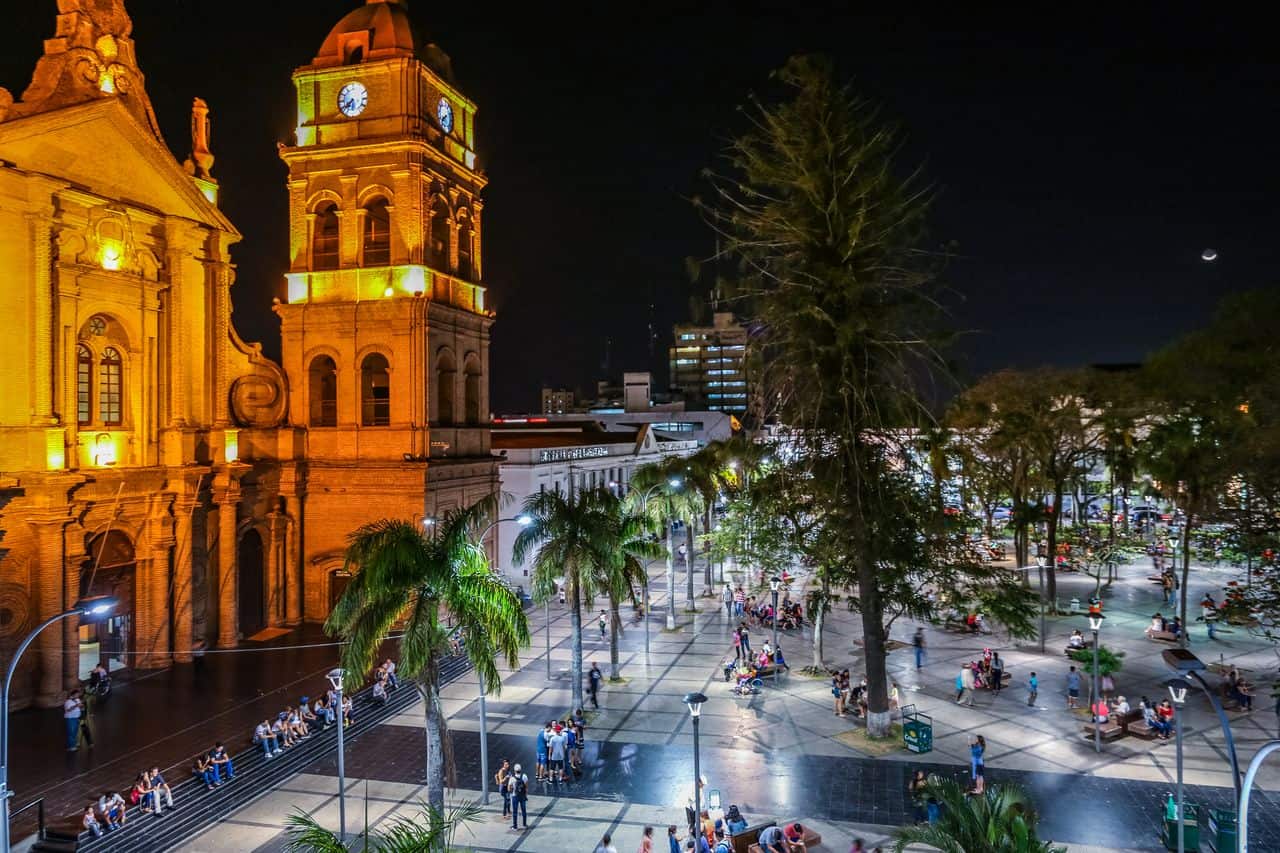
The region of Santa Cruz has never been an overly popular tourist destination for travellers. Out of the way from the main tourist spots, this forgotten part of the country offers a much nicer climate and a chilled atmosphere.
Acting as an entrance to numerous national parks where it is possible to spot Jaguars, Santa Cruz is also the perfect base to visit the most laid-back town in Bolivia, Samaipata or to continue journeying to the Amazon, Tarija or Sucre.
Despite being off the typical tourist path, Santa Cruz is a rapidly growing city with a vibrant culture and dynamic urban scene. Its modern amenities, combined with its proximity to natural wonders, make it a unique and worthwhile stop on your Bolivian adventure.
21. Visit the UNESCO Jesuit Missions
The Jesuit Missions of the Chiquitos, located in the eastern part of Bolivia, are a series of beautifully preserved colonial towns that have earned UNESCO World Heritage status. These missions, established by Jesuit priests in the 17th and 18th centuries, offer a fascinating glimpse into Bolivia’s colonial past and cultural heritage.
Each mission town, including San Javier, Concepción, and San Ignacio, features stunning Baroque-style churches with intricate wooden carvings and vibrant murals. The harmonious blend of European and indigenous influences in the architecture and art is truly remarkable.
22. Go sandboarding in the Lomas de Arena National Park
For an adrenaline-pumping adventure, head to Lomas de Arena National Park, just outside Santa Cruz. This stunning park features vast sand dunes, some rising up to 100 meters, creating an ideal playground for sandboarding enthusiasts.
Rent a sandboard and experience the thrill of gliding down the golden dunes. The park’s unique landscape, with its mix of sand and lush vegetation, provides a beautiful backdrop for your adventure. In addition to sandboarding, the park is great for hiking, bird watching, and enjoying the serene natural environment.
23. Samaipata, Bolivia’s most laid-back town
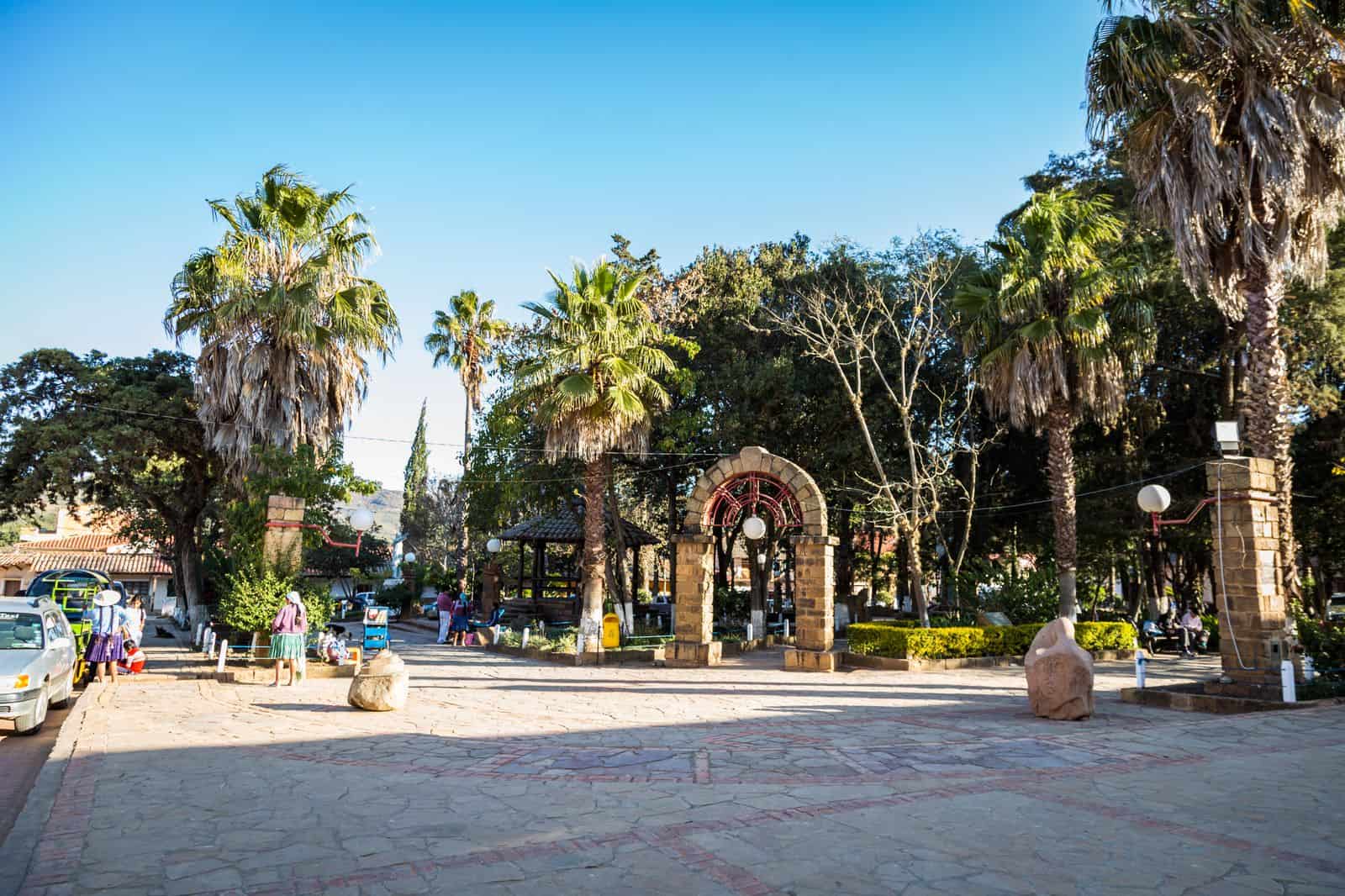
Samaipata is an attractive little town in the eastern part of Bolivia. It feels good to relax here, with a bit of a hippy vibe around the edges, Samaipata gathers the perfect elements of a place to chill for a while.
The town offers great food, good people, freshly baked bread, artsy shops, and numerous outdoor attractions. These include stunning waterfalls, hikes to see condors, pre-Incan ruins, cloud forests, and coffee fields. Samaipata’s warm climate adds to its charm, making it a place where you might never want to leave.

24. Visit El Fuerte, pre-colombian fort near Saimapata
A short distance from Samaipata lies El Fuerte, a fascinating pre-Colombian archaeological site that you need to add to your itinerary in Bolivia! Perched atop a hill with breathtaking views of the surrounding valleys, El Fuerte is a UNESCO World Heritage site.
This unique site is renowned for its massive carved rock, one of the largest in the world, featuring enigmatic petroglyphs and carvings that have puzzled archaeologists for decades.
Exploring El Fuerte, you will find yourself wandering through the ruins of temples, plazas, and residential areas that date back to different periods of its occupation. The site’s strategic location suggests it was an important ceremonial center and a key point of control over the region’s trade routes.

25. Take a day trip to the Amboro National Park
A day trip to Amboró National Park, is a must for nature enthusiasts. This stunning park, one of the world’s most biodiverse areas, features Amazonian, Andean, and Chaco ecosystems.
Spanning over 4,425 square kilometers, Amboró offers diverse landscapes from cloud forests and jungles to mountains and rivers. It’s home to over 800 bird species and various mammals like jaguars, pumas, and spectacled bears. Reptiles, amphibians, and insects also thrive here.
Guided tours provide expert insights into the park’s wildlife and conservation efforts. Popular routes include the “La Yunga” viewpoint and the “Cascada del Encanto” waterfall.

26. Copacabana, car blessing and amazing trout
Copacabana is a small town built on the edge of the highest-altitude navigable lake in the world, Lake Titicaca.
This picturesque town wakes up each day to the bustling flow of buses dropping off hundreds of visitors eager to explore the nearby Isla del Sol, an island steeped in Inca mythology and natural beauty.
But that’s not all! One of the unique traditions in Copacabana is the daily blessing of vehicles… Locals line up in front of the Basilica of Our Lady of Copacabana to have their cars blessed by the town’s priest.
This ritual, known as the “Bendición de Movilidades,” is believed to bring good fortune and safety to the drivers and their vehicles.
The town is also renowned for its culinary delight: the freshly caught trout from Lake Titicaca. Numerous lakeside restaurants serve this delicious fish. Do not miss it, it’s delicious.

27. Isla Del Sol, the source of the Inca’s civilization
Isla del Sol, located in the vast expanse of Lake Titicaca, is the main tourist attraction in the area and a cradle of Inca civilization and beliefs.
With its deep blue waters and yellow dry soil, Isla del Sol is a colourful place to visit. Go for a day to hike around or spend the night in one of the local community. You will find gorgeous paths taking you through terraced hillsides, ancient Inca ruins, and traditional villages.
After years of conflicts, both sides of the Isla del Sol are now open to visitors!
28. Visit Red Canyons in Tupiza
Tupiza, located in southern Bolivia, is renowned for its stunning red canyons and dramatic landscapes that resemble the American Wild West. These vibrant canyons, with their towering rock formations and deep ravines, offer a striking contrast to the surrounding desert scenery.
Exploring the red canyons is an adventure in itself. Visitors can hike, horseback ride, or take 4×4 tours to navigate the rugged terrain and marvel at the breathtaking vistas. The canyons’ unique geological formations, such as the Puerta del Diablo (Devil’s Gate) and El Sillar, provide excellent photo opportunities and a sense of awe.
Tupiza’s red canyons are not just about their natural beauty; they also hold historical significance. The area is famously associated with the final days of the notorious outlaws Butch Cassidy and the Sundance Kid.
29. Cycling the Death Road
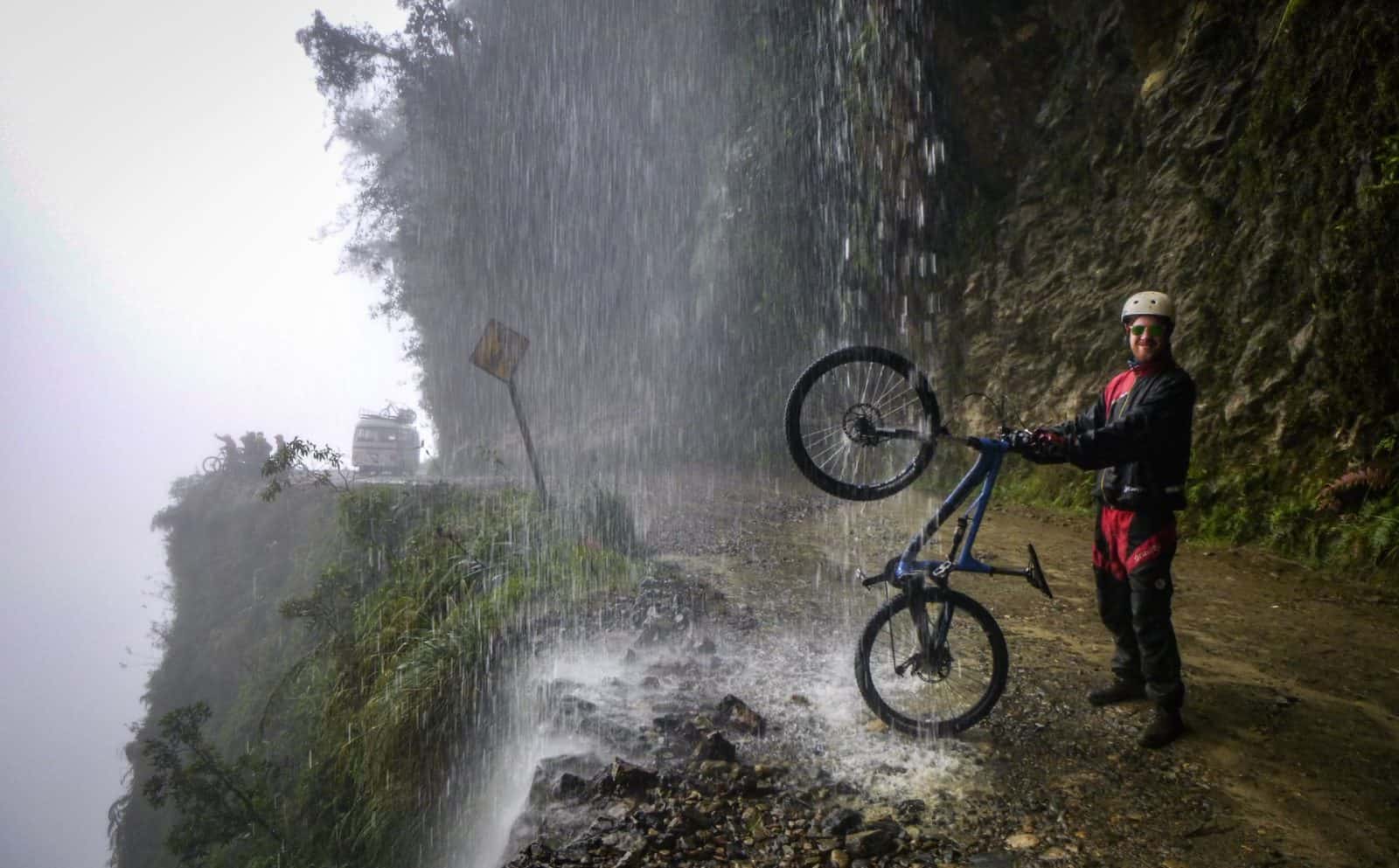
Cycling on the edge of a cliff with a drop of over 1,000 meters below, this is what the Death Road is all about.
Officially known as Yungas Road, this 56-kilometer route descends from the high peaks north of La Paz to the entrance of the tropical forest near Coroico.
It’s a unique experience that I didn’t experience anywhere else during my travels through South and Central America. Guided tours provide all the necessary equipment, including high-quality mountain bikes, helmets, and protective gear.
31. Go wine tasting in Tajira
Tarija, located in southern Bolivia, is the heart of the country’s wine region. Known for its high-altitude vineyards, Tarija produces some of the finest wines in Bolivia, particularly renowned for its Muscatel grapes.
Visiting the wineries in Tarija offers a delightful experience for wine enthusiasts. You can tour the vineyards, learn about the winemaking process, and, of course, sample a variety of exquisite wines. Prominent wineries such as Campos de Solana, Kohlberg, and Casa Real provide guided tours and tastings, showcasing their unique blends and vintages.
The region’s pleasant climate and beautiful landscapes enhance the wine-tasting experience. Along with tasting superb wines, you can enjoy the picturesque scenery of rolling vineyards and the surrounding Andean foothills.

30. Learn Spanish in Sucre
Sucre, often referred to as the “White City” for its whitewashed buildings, is one of Bolivia’s most beautiful and tranquil cities. It’s also an ideal place to learn Spanish, thanks to its affordable language schools, friendly locals, and relaxed atmosphere.
Sucre is home to numerous Spanish language schools that cater to all levels, from beginners to advanced learners. These schools offer a variety of courses, including intensive programs, private lessons, and group classes.
But you can also take a class at your hostels as many offer that service.
32. Walk the highest Via Ferrata in South America
Experience the thrill of the highest via ferrata in South America with the Vertical Route near La Paz. This adventure includes six activities: rappels, steps, a hanging bridge, a zip line, and a rope swing, all set against stunning mountain views. Managed by local communities, the route provides all necessary safety gear and is suitable for all skill levels. Enjoy breathtaking landscapes and an exhilarating challenge on this unforgettable Bolivian adventure.
33. Visit the Oruro Carnival
The Oruro Carnival is one of Bolivia’s most vibrant and famous cultural events, attracting visitors from around the world. Held annually in the city of Oruro, this UNESCO-recognized festival is a spectacular celebration of music, dance, and tradition, deeply rooted in Andean folklore and Catholicism.
The carnival features over 48 traditional dances, including the famous Diablada (Dance of the Devils), with participants dressed in elaborate costumes and masks. The event lasts for ten days, culminating in a grand parade with more than 28,000 dancers and 10,000 musicians.
Have you explored Bolivia? Is there anything you would add? Let us know in the comments below.


ARE YOU ON PINTEREST?
What about saving this post to your Pinterest board? Click on the photo to save this blog post for later.
We are also on the platform and we love pinning great travel tips. Follow Tales From The Lens’ boards to see our latest pins.
Don’t be shy, come say hi!
Please note │ This blog post may also include affiliate links to hostels or products we recommend, which means if you buy something following a link on this page, we’ll get a small commission. This will be of no extra cost to you but will help us continue running this blog. Thank you for your support.

About the Author
Jen is the Funder, Author & Photographer behind Talesfromthelens.comJen has lived for the past 15 years across Oceania and Ireland while also travelling in Latin America, North America, and Europe. She has visited more than 65 countries and set foot on every continent in the world! She is a coffee nerd, passionate about photography, wildlife, and outdoor activities.
For more info, check out the About page.