
1. The Basque country is split between France and Spain
The Basque Country (Euskadi in Basque) isn’t a nation like its name would let it appear. Located across both France and Spain along the Atlantic coast, the area is split between the two European countries by the western side of the Pyrenees mountain chain. It includes 4 regions on the Spanish side – Guipúzcoa, Vizcaya, Navarra and Alava – and 3 sub-department on the French side – Labourd, Basse Navarre, and Soule.
The Basque Country is often mistaken to only be “Spanish” and while San Sebastian and Bilbao attract all the fame, the French side isn’t as recognized as “Basque” as its neighbourhood. Yet, both sides have been sharing the same language, culture and traditions for centuries, long before the countries’ territories were defined.
A mistake we would regret as much as the lack of recognition of the French-Catalan side, also split between the two countries but mostly believed to be restricted to Barcelona and its region.
Today, these territories are collectively called Euskal-Herria – The Land of the Basques – or Euskadi.
Planning to fly to the Basque Country? You actually have three choices! Biarritz in France, San Sebastian at the border or Bilbao along the Spanish coast. Not too far from Bilbao is also the airport of Santander which is located in the Cantabria region. Although, Bilbao is probably the cheapest and better-connected airport to fly to from anywhere in Europe.
NEXT | Best places to visit in the Spanish Basque country
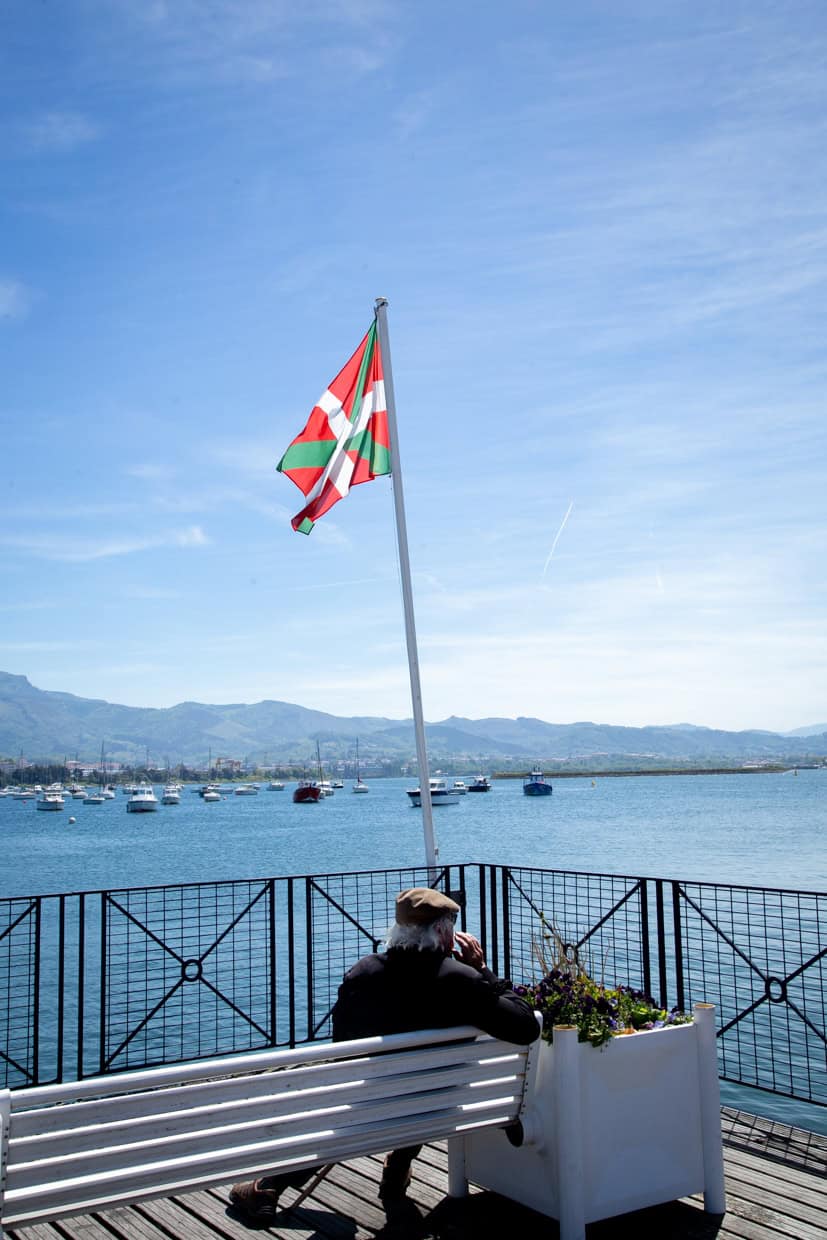

2. It has its own language…
Euskara is the traditional language spoken by the Basque people. After a tough 20th century that has seen its strong decline – mainly during the dictatorship of Franco who prohibited it – the Basque language is nowadays extensively promoted and used in both French and Spanish Basque areas.
Basque is a complicated language to learn. There are many local dialects spoken around the region and the rules are hard to relate to as it has no common roots with contemporary languages. For this reason, the Basque Language Academy has developed a standardized version called Batua, nowadays taught in schools and used for any official communication. You might as well notice that Basque is always written in a specific font known as the Euskara
Learn a few words of Basque before your visit
- Kaixo = Hello / Agur = Goodbye
- Bai = Yes / Ez = No
- Eskerrik asko = Thank you
- Mesedez = Please
- Zenbat balio du? = How much?
- Ez dut ulertzen = don’t understand
- Bi garagardo = two beers
- Ezkerra = left / Eskuina = right
- Ba al dakizu ingelesez? = Do you speak English?
3. Though, not everybody speaks it
The Euskara is believed to be the oldest language in Europe as it appeared long before Celtic or Latin. This pre-indo-European language which is the only one from its family to still be in use nowadays is classified as “isolated” due to its uniqueness and its lack of relation to any other languages in the world.
Not all Basque people speak Batua or a local Basque dialect, and in a time where the primary criteria to be considered as Euskaldun (Basque) is the ability to speak the language, a lot of work is being done on each side to educate the next generation. It is not unusual to have basque only speaking schools or hear parents only speaking in Basque with their kids.
Although, everyone will also speak either French or Spanish depending on which side you travel to. Hopefully a bit of English too! Yet, I happened to take part in a Basque festival with nobody willing to speak another language than basque… It was quite fun but quite impossible to integrate and meet people, as you can imagine.

4. It is as green as people say
Visit the region at any time of the year and you will be surprised by how green and lush the landscapes can be. Even in the midst of summer, when heatwaves strike Europe, the Basque country keeps its verdant slopes from dryness. The hills rolling from outside of Biarritz all the way to the feet of the Pyrenees or plunging into the Atlantic Ocean are covered with trees and beautiful lush forests… In the valley, the grassy pastures contrast with the local white houses and their half-timbered painted red.
NEXT | Hiking in the French Basque Country, we tried the best trails
5. … BUT that’s because it rains a lot
The Basque country isn’t green for no reason! It rains often – sometimes a little bit every day and sometimes it’s just lashing for hours with lightning and non-stop thunder. Well, that’s how it is and it’s one of the main reasons why the region is so lush and beautiful. It would be a shame to not visit because of this, but if you plan on travelling to the Basque country be prepared and geared up.
The weather is quite mild along the coast, with very defined seasons. Winter is usually humid but not really cold – it doesn’t get much sub-zero except in altitude. During summer, temperatures climb and with the ambient humidity, it often feels hotter than it actually is. Thankfully, the fresh breeze coming from the Atlantic ocean usually helps cool down, but if that’s not enough, a jump in the waves will do the trick.

6. You’ll NEED a car to enjoy it to its fullest
If you are a bit like me, you certainly enjoy travelling with local transportation everywhere, Well, unfortunately, France might be quite disappointing and frustrating if you stick to these ways of transport only. Surely, there are buses and trains linking the main cities but the frequency is sporadic and some parts of the countryside aren’t well connected or not at all. This means you’ll need a long time to visit the region, or will have to miss the most typical villages that make the French Basque Country so attractive.
You NEED a car – but it doesn’t have to be expensive! Rental cars are quite affordable in France with local supermarkets renting out compact cars for as little as €4 a day… I usually use Rentalcars.com to find the best deals but you can also read this post, a dedicated itinerary for a road trip in the French Basque Country filled with tips and information about renting a car in the area.
RELATED | Road trip around the French Basque Country, our itinerary
7. Food is plentiful, unique and tasty
I love food and the combination of the French or Spanish specialities with the basque culture is absolutely impressive. What I love the most about is how much diversity of local produce there is. From freshly caught seafood to the mountain products such as sheep cheese and ham, or even river trouts, local pepper, vegetables and fruits, the Basque cuisine is rich and delicious.
On the Spanish side, Pintxos are the stars of the eateries, better enjoyed from place to place and rinsed down with a local cider or glass of wine. But hey! don’t call them tapas! Pintxos are usually a fusion of local products served on a piece of bread – some more elaborated than others, depending on the place you go to. Try the red pepper, goat cheese and honey, croquetas de Chipirones (squid croquettes) or the more typical ham and cheese. anchovies or tortillas (Spanish omelette).
On the French side, expect proper meals made out of local products such as the Axoa – made with veal, pepper and potatoes – Gâteau basque – an almond cake with fresh cherries or whipped cream – or finally, a lovely Piperade that will complement any dish (a paste made with pepper and onion).
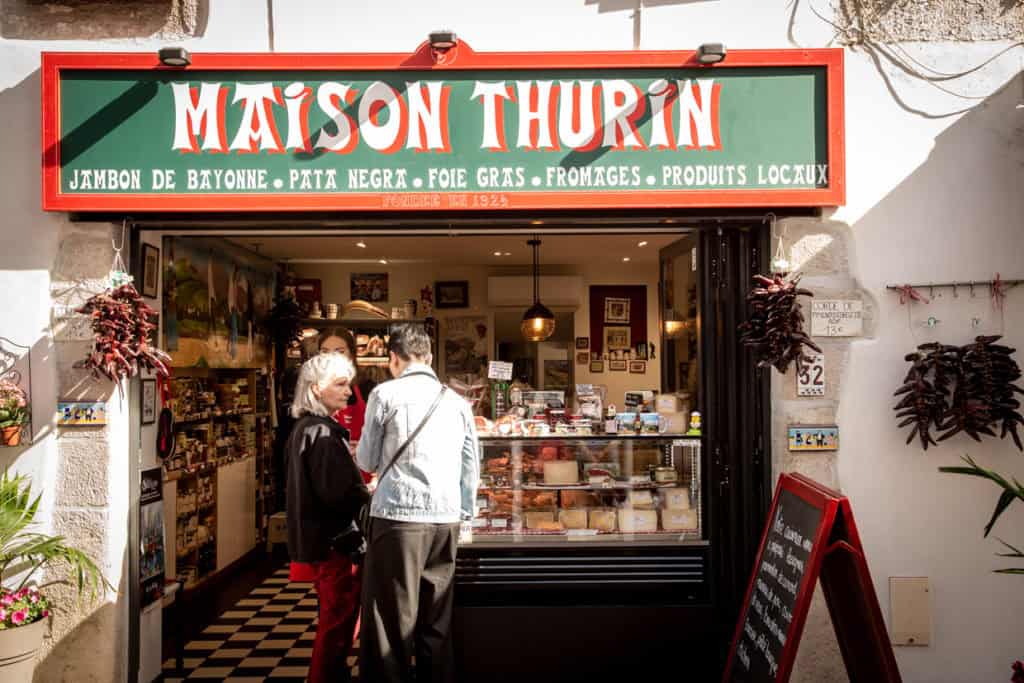

8. Basque Pelota is super hardcore!
The Basque Poleta is the most important sport in the French and Spanish Basque Countries. Played on a court either inside or outside, the game opposes teams or individual players who throw a ball at a wall with their bare hand or with the help of a racket, wooden bat or basket. Depending on the tool used and the configuration of the teams, rules will change. There are in fact, 22 different ways of playing Basque pelota!
It is such a popular sport that each village will have one or more “Jai Alai”, “fronton” and “Mur a gauche” on which you can often catch local teams training or facing each other in competition. Most professional matches are played during the week. In Biarritz, it is on Thursdays and Sundays, while in Saint-Jean-Pied-de-Port, matches are organised every Monday afternoon. It is best to ask the local tourism office to provide you with a season calendar.
I can only recommend going to a match to really understand how the Basque Pelota is played and what it implies. It is indeed a very physical sport, renowned for being one of the fastest-moving sports in the world. Very impressive is the least we can say! Imagine catching a ball that can go as fast as 200km/h?! The speed record is 302km/h, how insane is that?

9. Two main pilgrim routes pass through the Basque Country
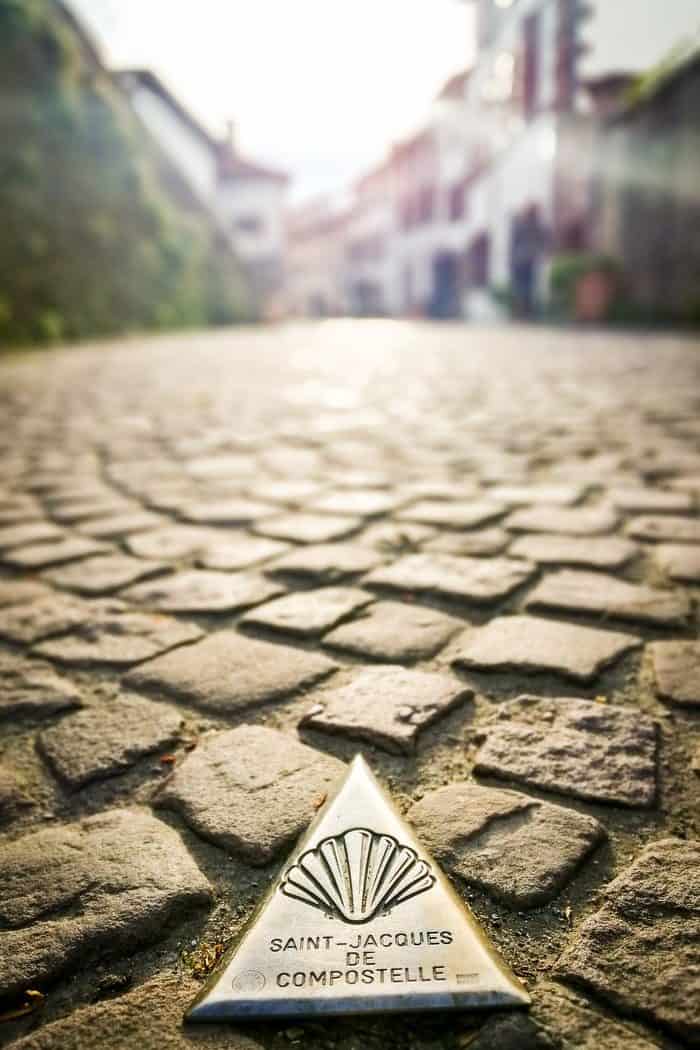
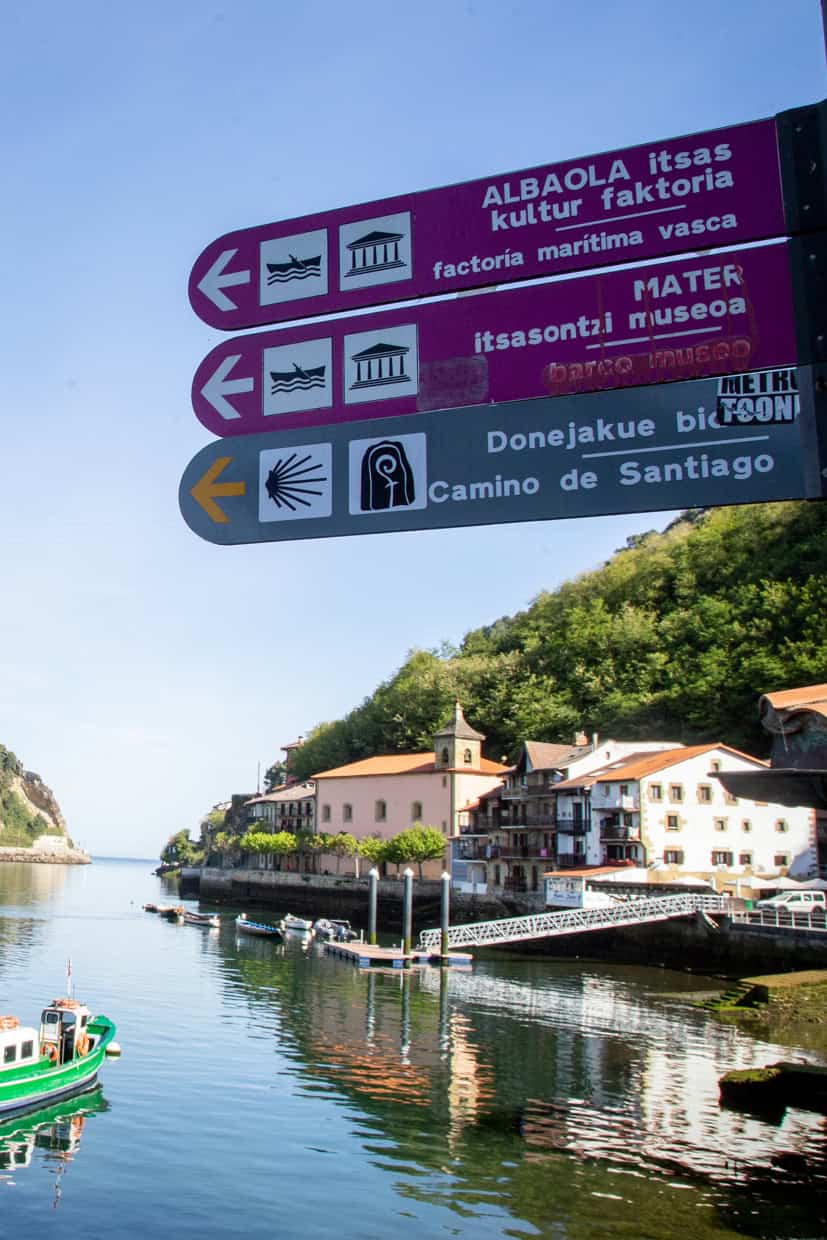
Walking the Camino de Santiago is one of the most popular pilgrimages in Europe. It attracts thousands of international tourists to the Basque Country each year with two of the most popular itineraries passing through. The most important one – the “French Way” – that Pilgrims usually start in Saint-Jean-Pied-de-Port on the French Basque Country, crosses the Pyrenees chain towards Pamplona before reaching the Rioja, Meseta and ultimately the Galicia region.
Along the North coast the “Camino del Norte” starts in general in Hendaye to San Sebastian and Bilbao before heading south to Santiago de Compostella. This walk can also be started in Bordeaux or Biarritz via the Biscay Bay Coastal walk and is quite known as an alternative to a busy french way.
ALSO | What to do and see in Saint-Jean-Pied-de-Port, the pilgrim city
10. It’s one of the best places to surf in Europe…
Biarritz is known as the “birthplace of European surfing” after the Parisian elite tried this new sport in the ’50s and made it popular. The city of the Kings and more largely the Bay of Biscay, offer incredible opportunities for surfing thanks to a constant swell and different types of waves accessible from beginners to experimented surfers. It is usually more enjoyable to catch a wave during the summer month as the Atlantic ocean warms up a bit although, waves tend to be quieter from June to August and the beach is a lot busier with holidayers and swimmers. Advanced surfers will, therefore, prefer to head to Biarritz in early autumn while beginners may prefer spring and summer.
LEARN MORE | Biarritz, the Queen’s beach resort
In Biarritz, there are two main beaches to go surfing (la côte des basque and Grande Plage – see this article) but you can also take a car and drive along the coast to find quieter spots such as Guethary, Hendaye, or Anglet. You will find a lot of places where you can rent a board or take a surf class. Our favourite spot would be la Plage La Chambre D’Amour in Anglet.
During the pre-summer months, you might find a few festivals and surf competitions around the region. During our stay, we had the chance to see Kai Lenny surfing the new Foil during the “2019
Biarritz Quiksilver Maïder Arosteguy”! This year, if COVID doesn’t force authorities to postpone or cancel them, there are a few events organized in the French Basque Country such as the World Surfing Championships, Day of gliding, Championnats du monde ISA de longboard, Wheels & Waves, Surf de Nuit, Pro Anglet, etc. You can find all the events on this website.

WHERE NEXT?
The Basque Country is fascinating. There are many things to do and see in the area. Get inspired by reading our articles about the best places on the Spanish side or the ultimate stops in the French Basque Country. You may also be interested in these articles
- Hiking the French Basque Country
- The Most beautiful villages in the French Basque Country
- Saint-Jean-Pied-de-Port, Start of the Camino Frances
- Biarritz, the Queen’s beach resort


ARE YOU ON PINTEREST?
What about saving this post to your Pinterest board?
Click on the photo to save this blog post for later. We are also on the platform and we love pinning great travel tips. Follow Tales From The Lens’ boards to see our latest pins.
Don’t be shy, come say hi!
Please note │ This blog post may also include affiliate links to hostels or products we recommend, which means if you buy something following a link on this page, we’ll get a small commission. This will be of no extra cost to you but will help us continue running this blog. Thank you for your support.

About the Author
Jen is the Funder, Author & Photographer behind Talesfromthelens.comJen has lived for the past 15 years across Oceania and Ireland while also travelling in Latin America, North America, and Europe. She has visited more than 65 countries and set foot on every continent in the world! She is a coffee nerd, passionate about photography, wildlife, and outdoor activities.
For more info, check out the About page.